
Filipino desserts have never been short on personality. Familiar flavors and ingredients such as ube, coconut, pandan, mango, sticky rice, and condensed milk have long been part of the country’s sweetest traditions.
Today, a new generation of pastry chefs is looking at those familiar flavors through a more refined perspective. The result is an emerging dessert culture where nostalgia meets technique, and childhood favorites can find a place on tasting menus, in elegant pastry cases, and even on the international stage.
Here are some of the pastry chefs giving Filipino sweets a modern point of view.
Samantha Constantino: Turning the Famous Halo-Halo into an Experience
At AzukiToyo, chef Samantha Constantino takes one of the Philippines’ most recognizable desserts and approaches it through the Japanese art of kakigori.
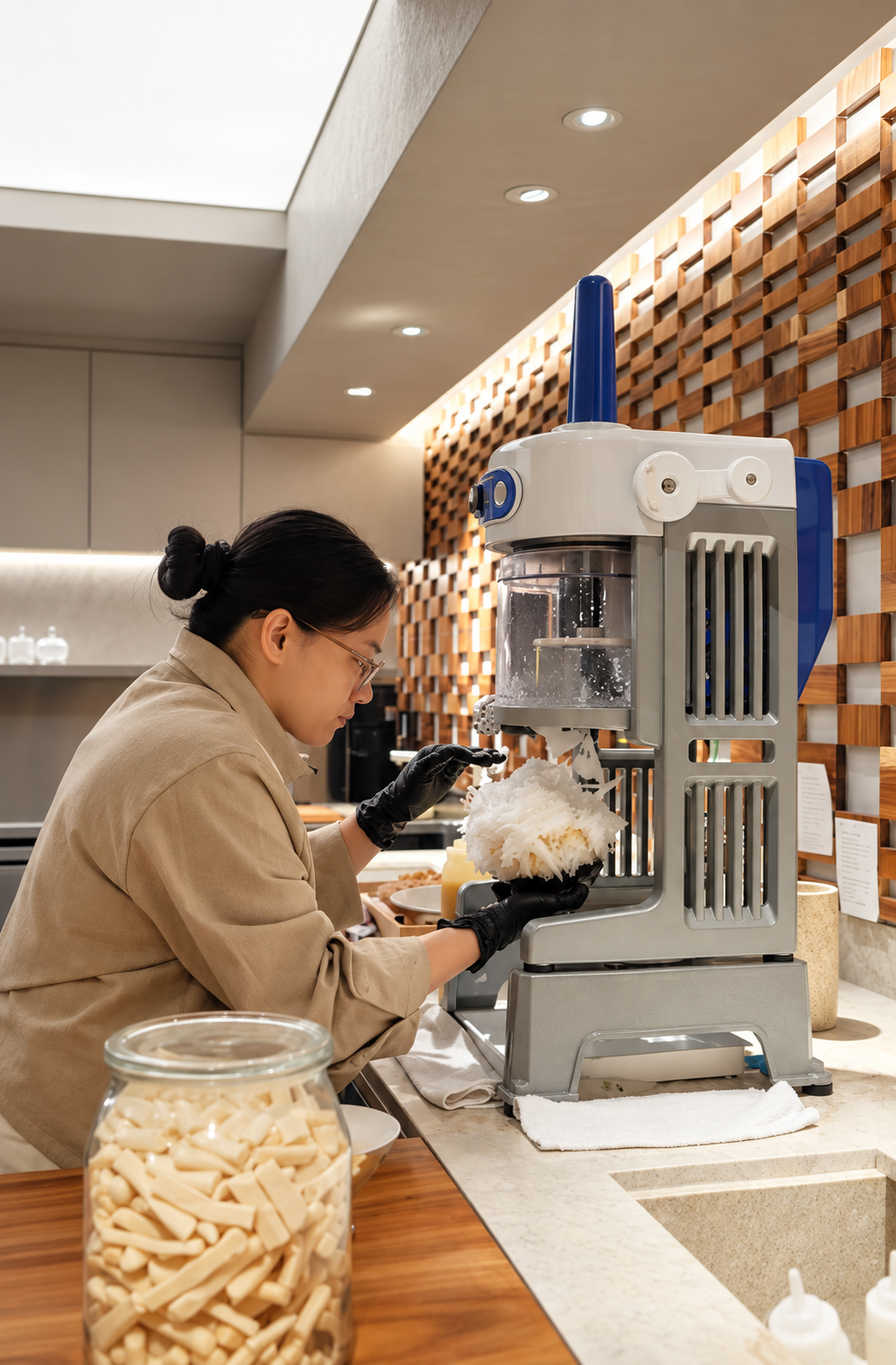
The intimate dessert bar, a collaboration between Toyo Eatery and Tokyo’s Florilège, serves delicately shaved ice creations prepared tableside. Its menu includes interpretations inspired by halo-halo, as well as combinations such as azuki with meringue and mais at keso.
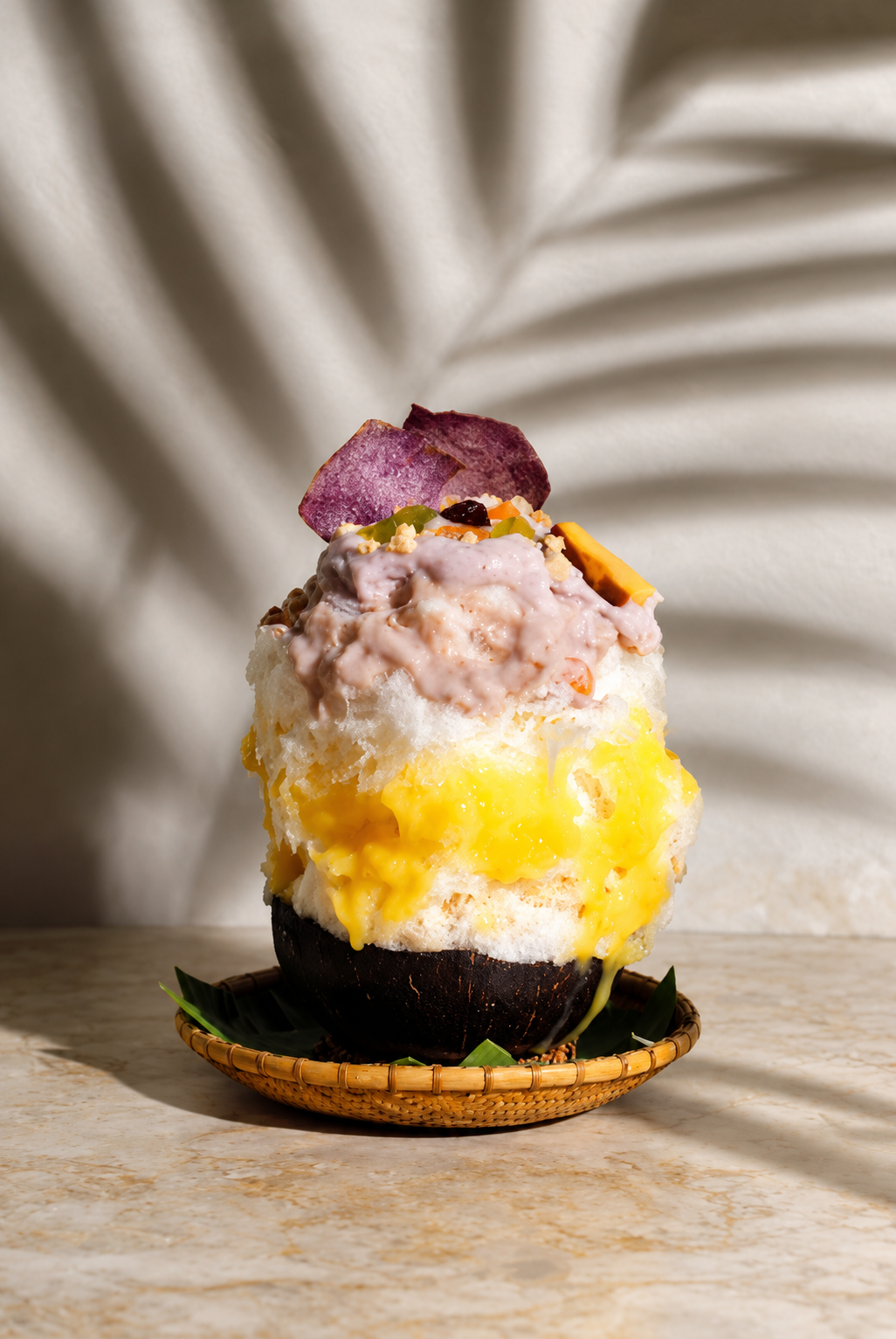
The appeal isn’t simply in making Filipino flavors look different. Constantino’s approach shows how familiar ingredients can be translated into another culinary tradition without losing their identity.
Nouel Catis: Filipino Nostalgia, Made Globally
After years working in luxury properties overseas, including Burj Al Arab, Chef Nouel Catis developed a reputation for creating desserts that combine technical precision with familiar flavors. He has taken Filipino flavors far beyond the traditional pastry case.
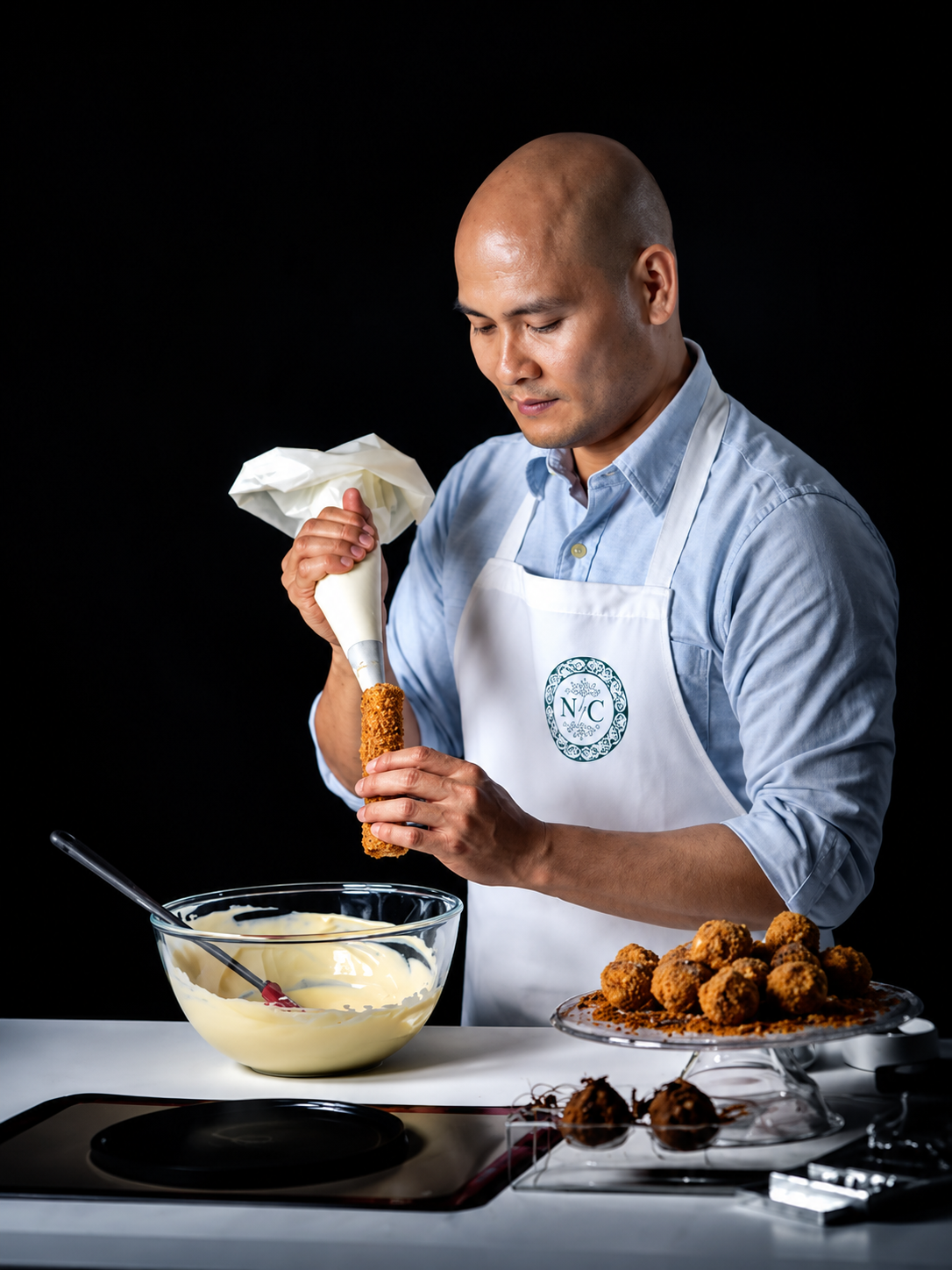
His work became globally recognized through the viral Dubai chocolate phenomenon, but his wider body of work continues to explore Filipino ingredients and memories.
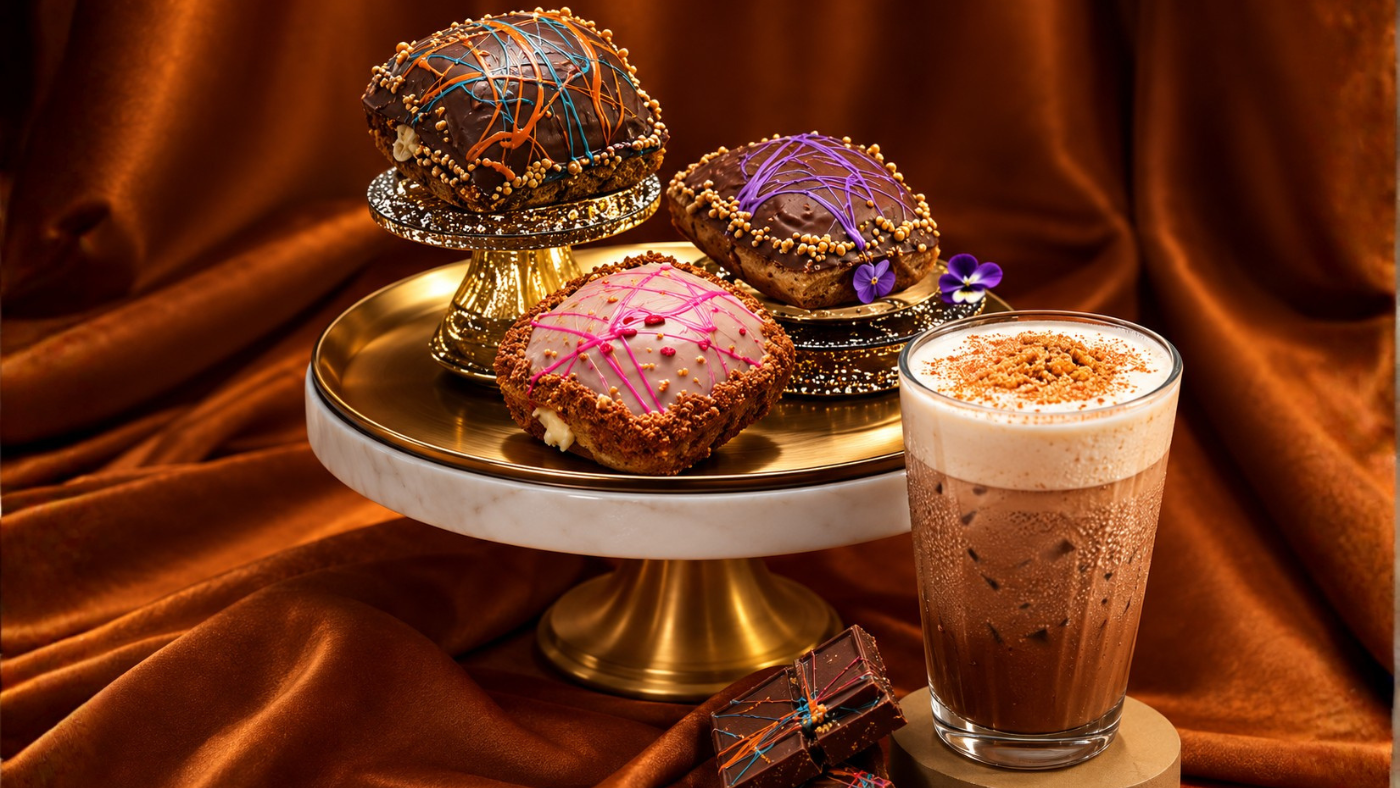
More recently, his collaboration with Miele Philippines brought together Filipino nostalgia and contemporary pastry technique through creations featuring calamansi, Barako coffee, honey, and kunafa. His own chocolate collection also includes Filipino-inspired combinations such as ube baklava.
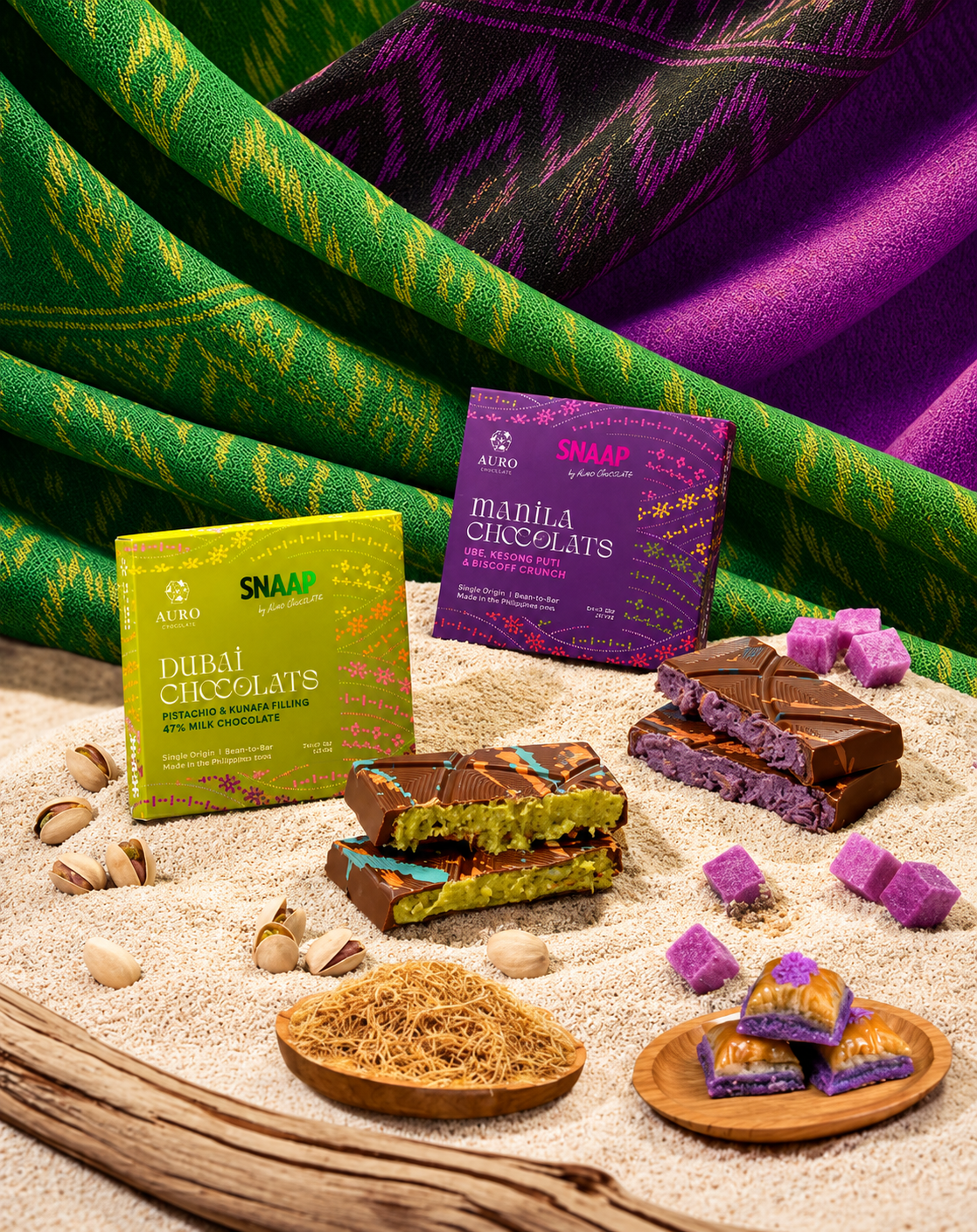
For Catis, Filipino flavors are not something to simply preserve. They are ingredients for experimentation.
Jessica Panoy: Refining the Filipino Sweet Tooth
Chef Jessica Panoy’s journey is a reminder that modern Filipino pastry is also being shaped by chefs who grew up with these flavors and are now bringing them into more contemporary kitchens.
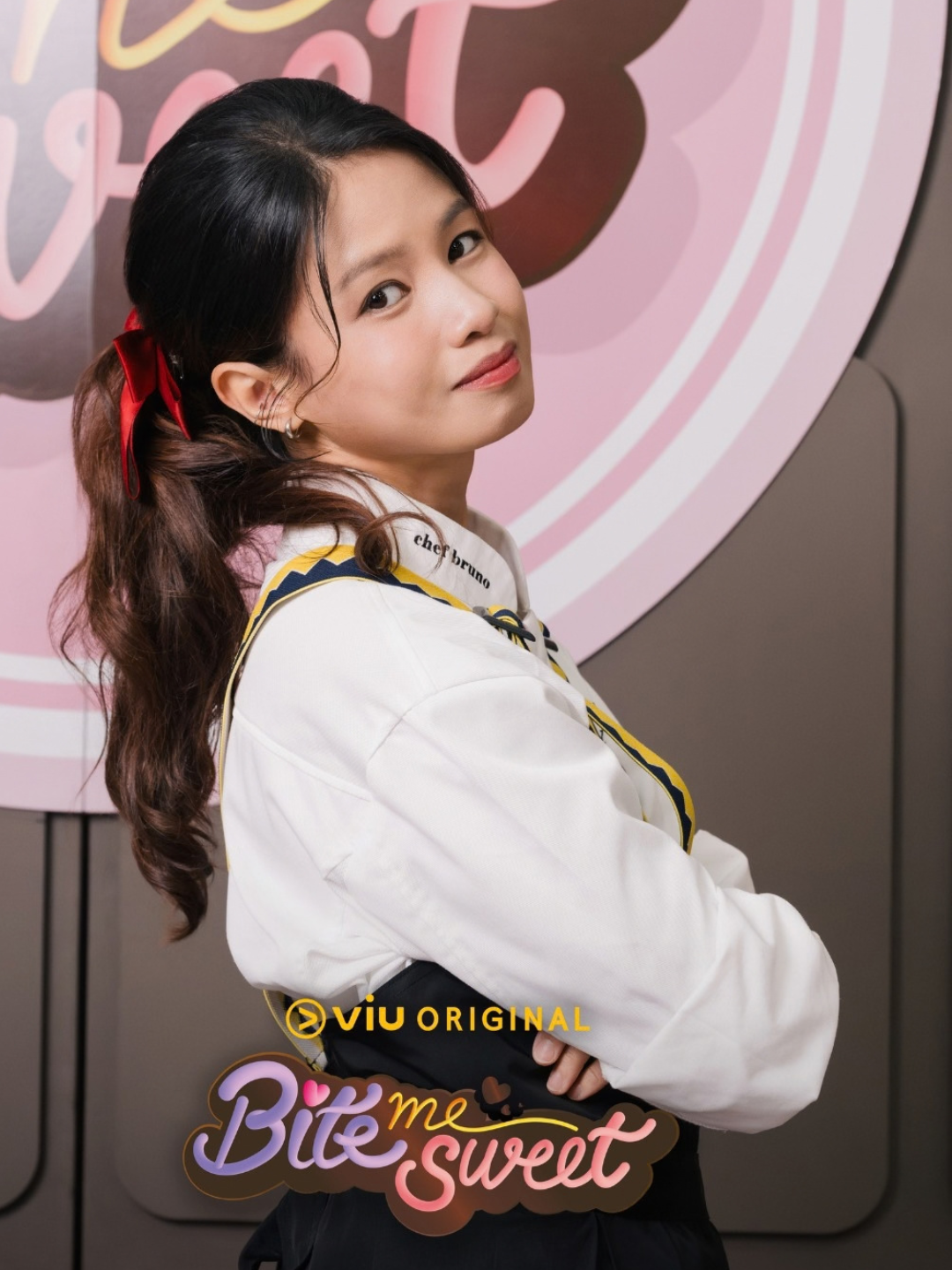
Panoy began baking at 12, eventually training in culinary arts, working in Manila kitchens, and becoming part of chef Josh Boutwood’s team. She later moved to Melbourne to study patisserie and continued developing her craft internationally.
Her perspective on Filipino desserts is particularly interesting: she describes them as emotional and memory-driven, while also recognizing that Filipino diners are increasingly open to subtler sweetness, different textures, and more refined presentations.
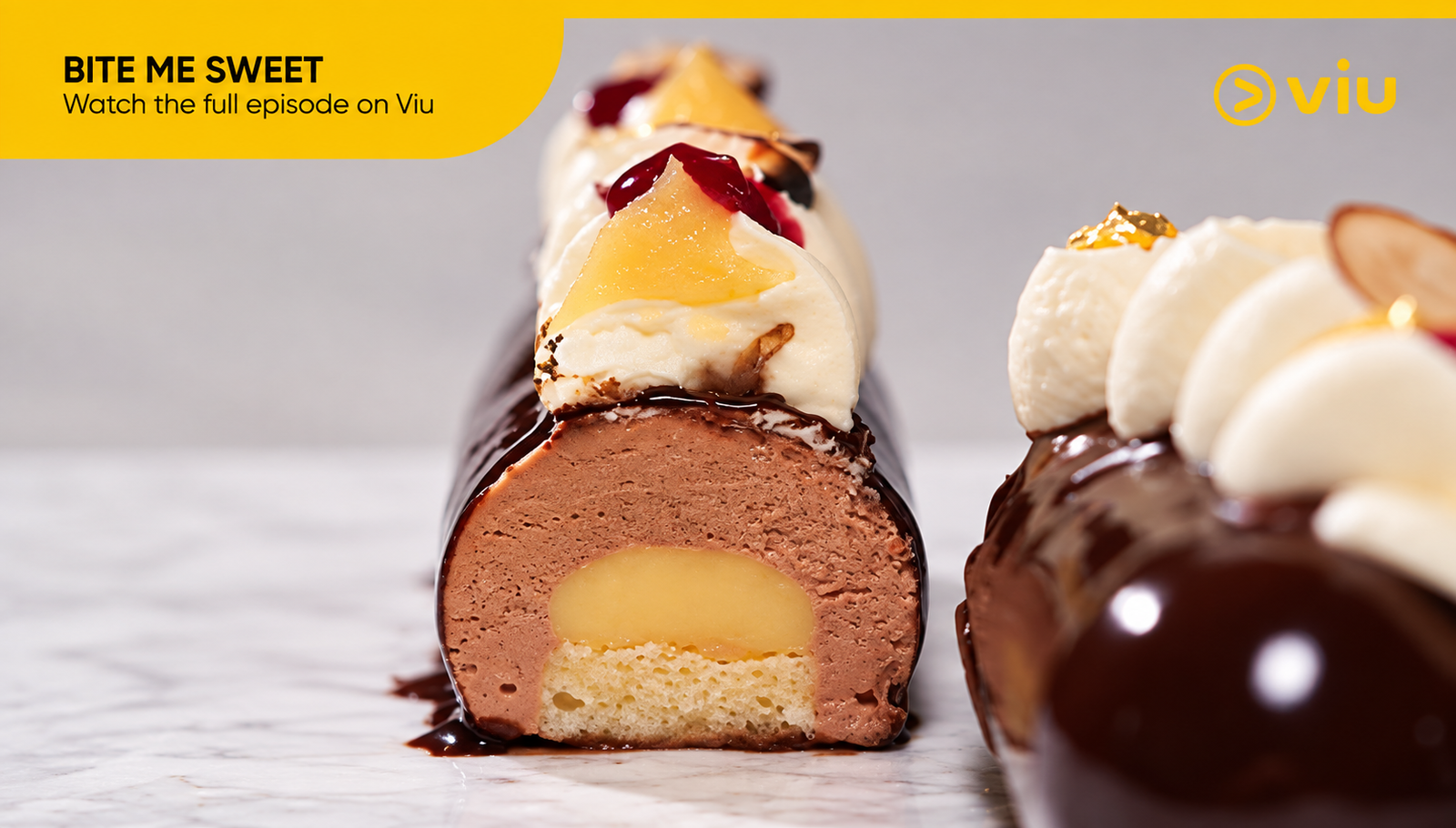
It’s a balance between keeping the comfort and letting the form evolve.
Ricci Carmona: Taking Sorbetes Beyond the Cart
For pastry chef Ricci Carmona, reinvention starts with one of the country’s most nostalgic treats: sorbetes.
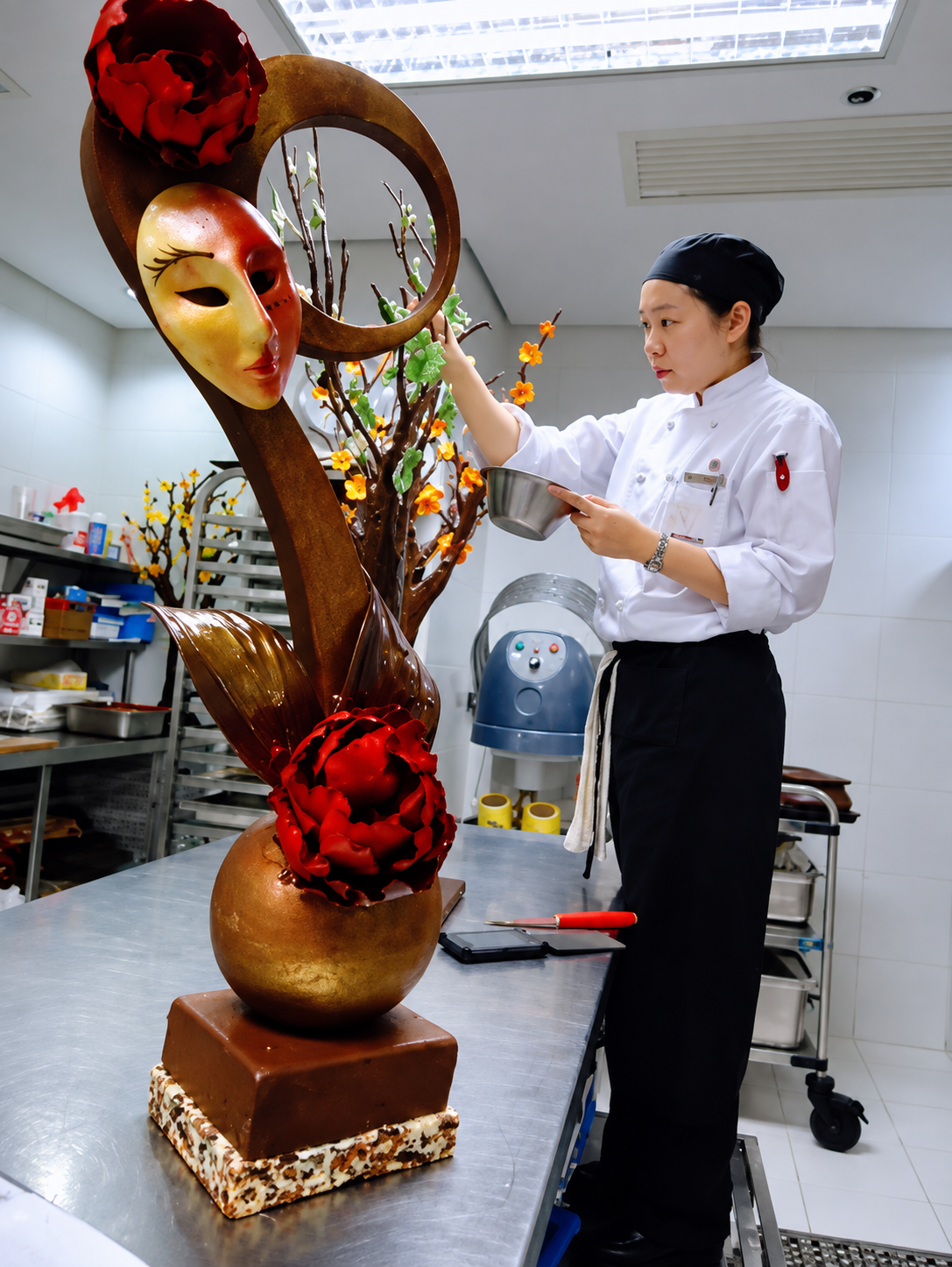
Her Melbourne-based Dirty Ice Cream reimagines the Filipino street classic through small-batch production and flavors rooted in Filipino ingredients. Carmona’s background spans luxury hotel pastry kitchens, gelato training, teaching, and consulting, but her work with sorbetes brings her back to something deeply personal.
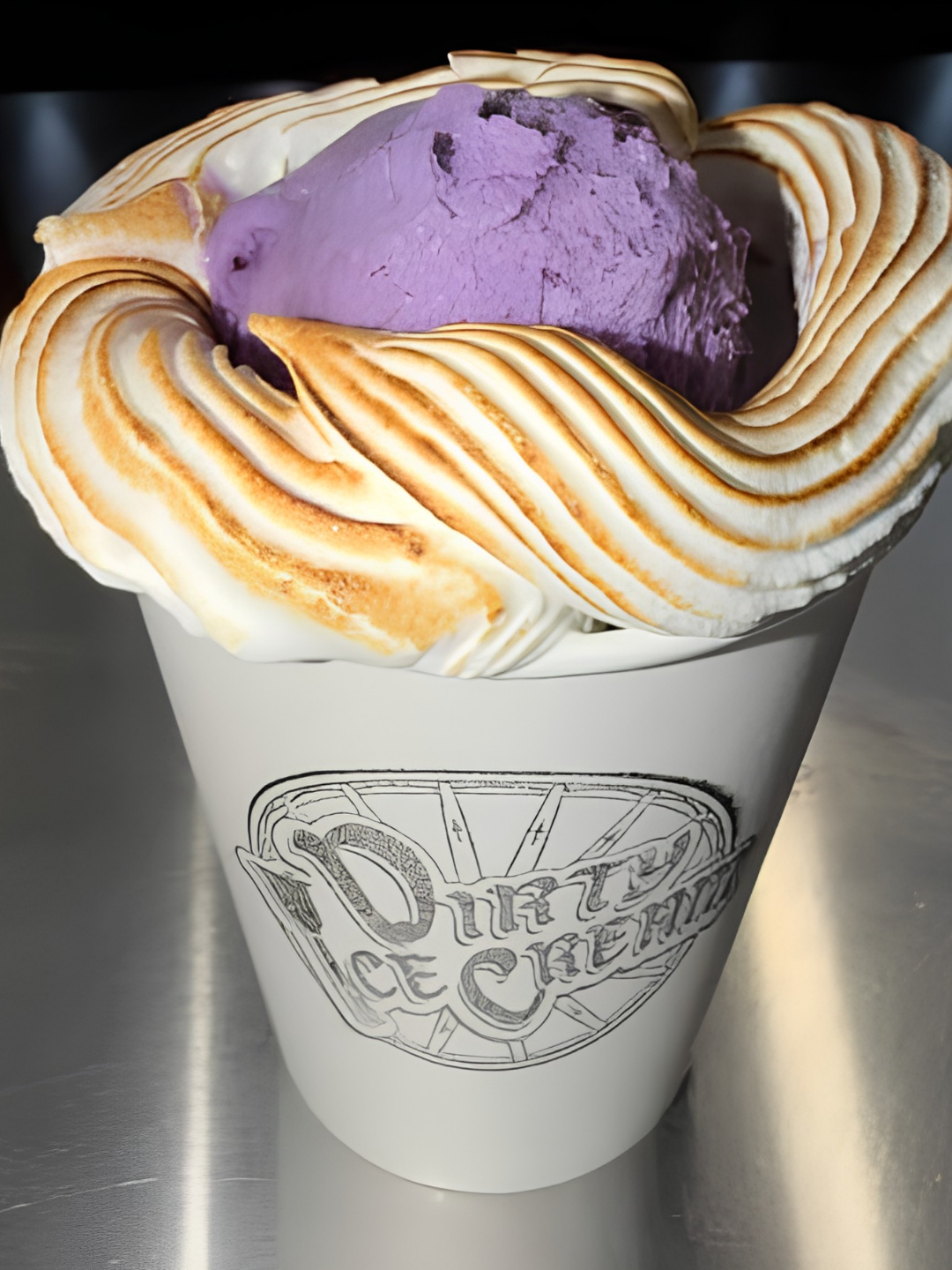
Her creations use Filipino ingredients and flavors while presenting sorbetes as an artisanal dessert that can sit comfortably alongside contemporary ice cream and gelato.
The Future of Nostalgic Filipino Flavors
What connects these pastry chefs isn’t an attempt to make Filipino desserts less Filipino. If anything, it’s the opposite.
They are taking ingredients and flavors people already recognize and giving them new techniques, textures, formats, and settings. A halo-halo-inspired dessert can become a carefully plated kakigori. Sorbetes can become an artisanal frozen dessert. Familiar childhood flavors can find their way into luxury chocolates and fine-dining pastry programs.
The future of Filipino desserts is familiar, but definitely distinct. Perhaps that’s where Filipino dessert culture is headed: not away from nostalgia, but toward a more sophisticated way of celebrating it.

Alike was created to inspire, built on society and storytelling — from curating the best features of the country’s brightest luminaries and orchestrating events catered towards the country’s top, to showcasing the finest gems in art, lifestyle, and culture.
Alike is the next generation: the movers, the shakers of today.
We are Alike.