
For the longest time, culinary schools in the Philippines taught students the techniques of French cooking. This, according to Chef Francis Lacson, was the gold standard, noting the mores of his early days in the culinary world.
It’s vastly different today in 2026, where some Filipino food items – the viral ube and sisig – have reached the global ubiquity of other Asian dishes such as pho, ramen, dim sum, satay, and more.
Despite this, Lacson still observes: Out of around 80 new restaurants that open each month in recent years, less than half have a Filipino concept. Perhaps, however, Lacson muses, this doesn’t necessarily have to be a problem.
Our indigenization of foreign influences, the chef, journalist, and advocates asserts, is a way of undoing the colonization brought upon us. “It’s not that Filipino cuisine needs elevating,” he smiles, “it’s our own minds, in how we regard our traditions.”
That’s Digámo’s goal, and for its inaugural menu, it does so, playfully.
Playful evolution
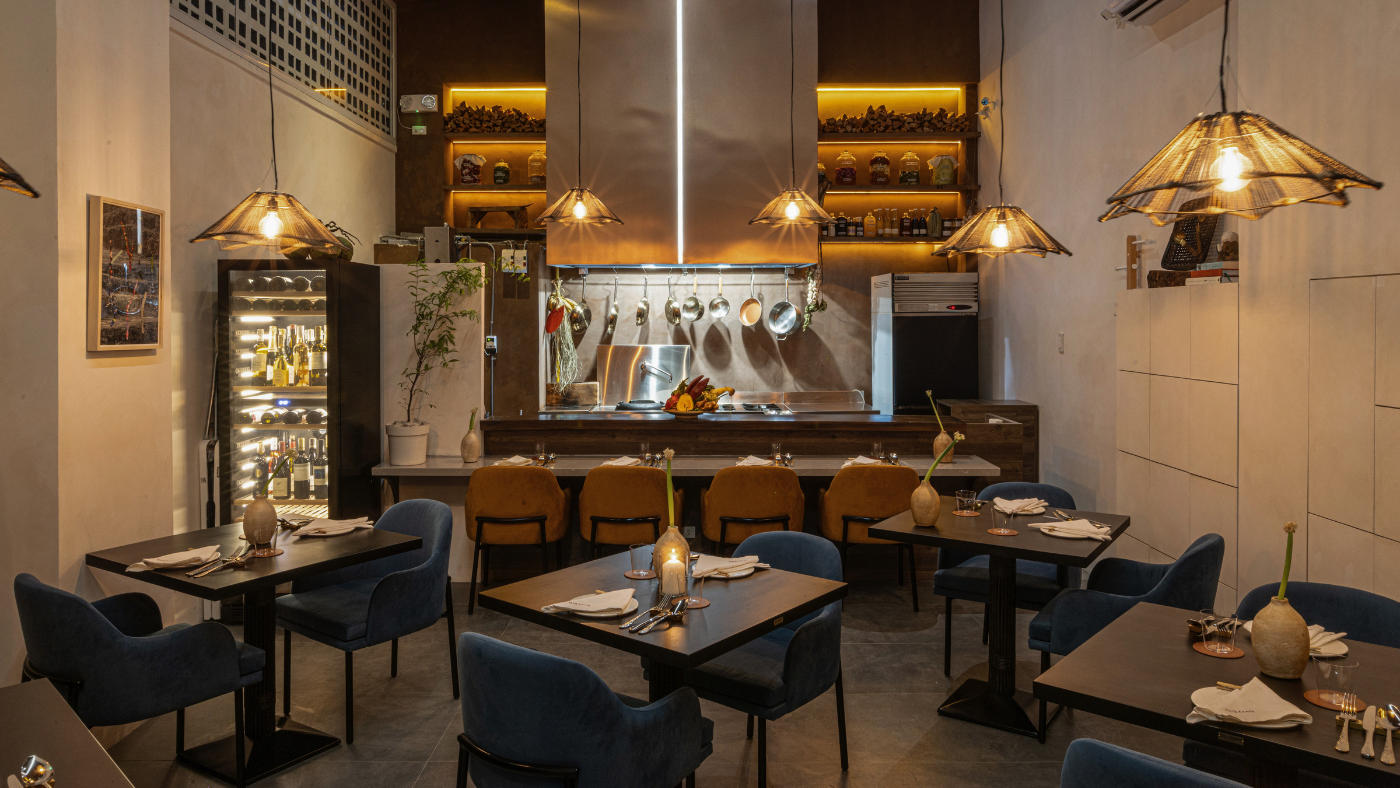
Digámo opened in May 2026, nestled in a sun-dappled, acacia tree-lined section of Marikina Heights, the perfect neighborhood, Lacson and his wife decided, to raise their young family.
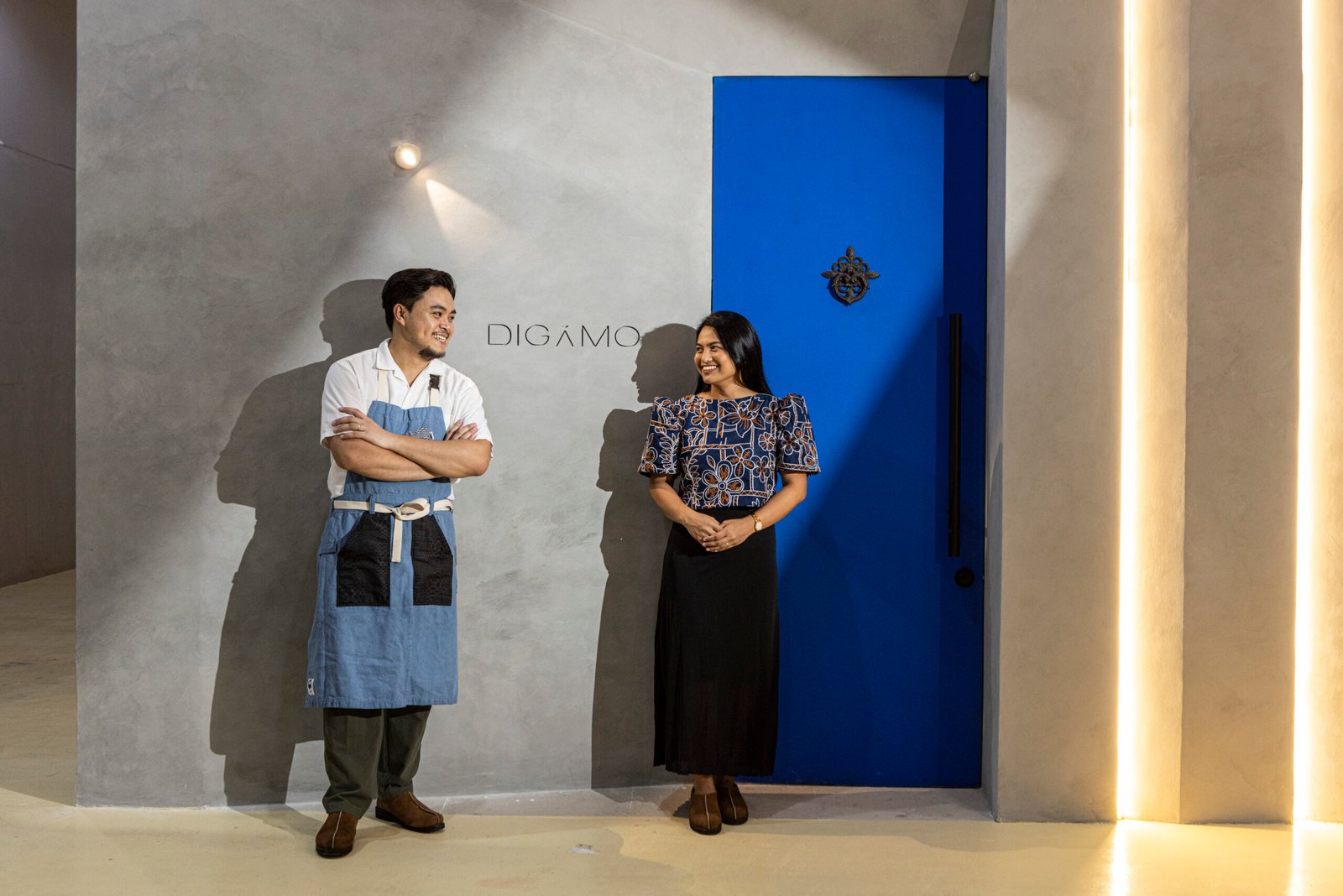
Chef Francis Lacson and General Manager Diana Lacson, partners in life and in bringing Digámo’s vision to life.
Deriving its name from a Hiligaynon word which can mean “to set (a table) in order,” with the implication of welcoming guests.
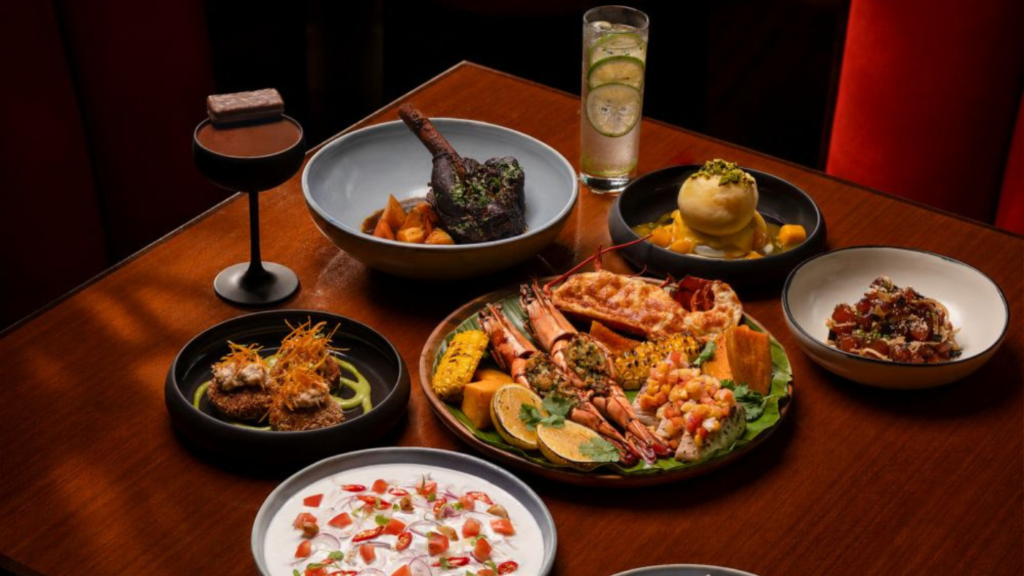
For Playful Evolution, the restaurant’s inaugural menu, Lacson and team take familiar flavors from the precolonial, Spanish, American, and contemporary eras, and playfully re-present them all while staying true to the taste, incorporating traditional preparation and cooking methods here and there.
Those who grew up in the province might find what Proust found with his madeleines when dipping into the linagpang, a grilled vegetable soup that has echoes in almost all Filipino cuisines, Visayan, Tagalog, Ilokano, each region carrying a particular name for the pan-Philippine dish.
I was transported back to the Cagayan Valley of my childhood, a landlocked contrast to Lacon’s seaside childhood. Despite this, what resonated with Lacson, the menu’s most personal dish as shared by him, resonated with me. Deriving it from his grandfather’s recipe, Lacson created a frothier version, evoking the texture of just-whisked ceremonial matcha.
Meanwhile, C3, a spin – deploying seafood – on a popular combo meal in the Philippines’ largest fastfood chain nods at the American influences in our cuisine. It honestly does taste like fried chicken and sweet Filipinized spaghetti, using softshell crab, cuttlefish, and strawberry ketchup made using wartime scientist Maria Orosa’s method.
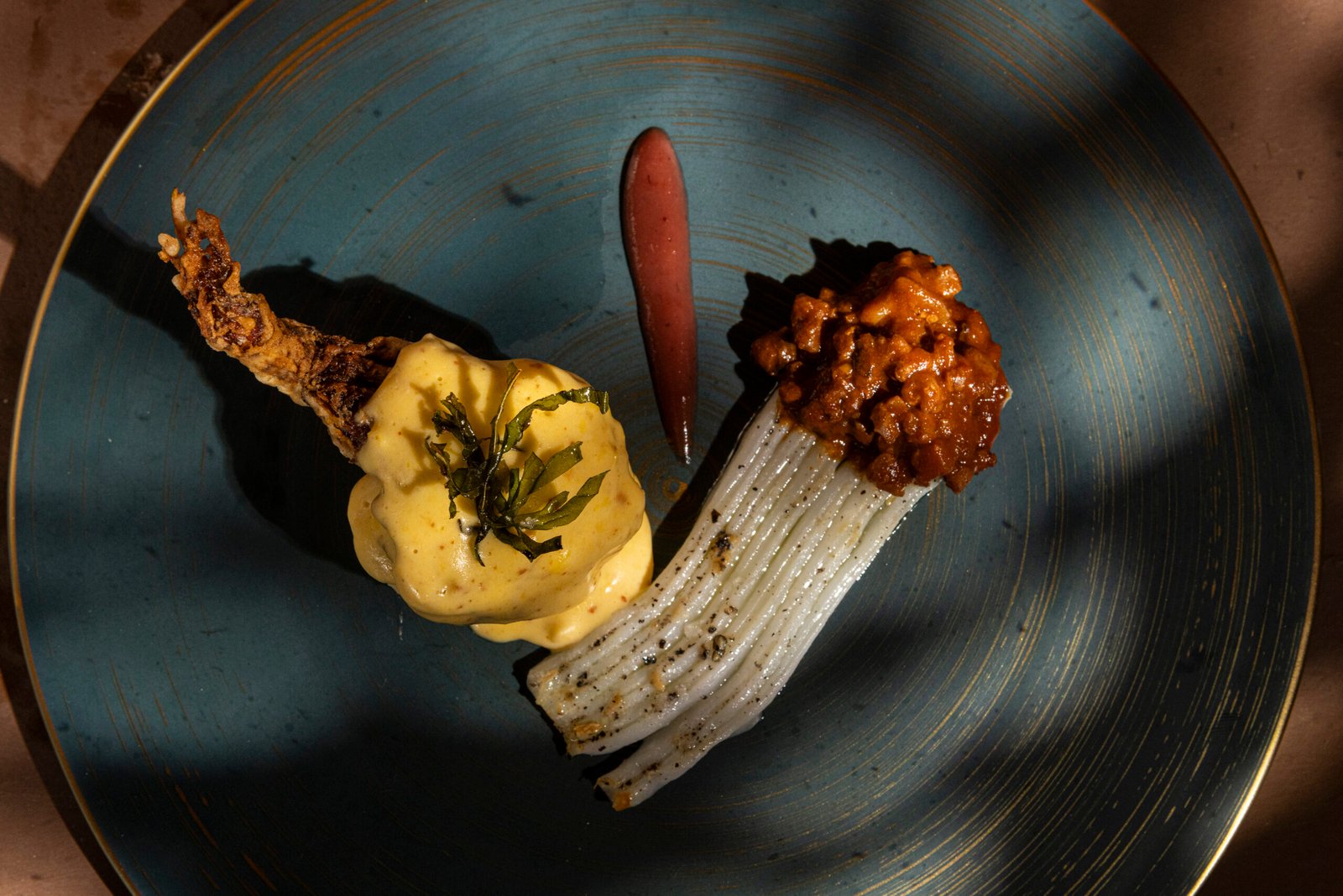
Citing last year’s mixed reactions to Hapag’s la paz batchoy (despite Hapag’s Ilonggo cooks staying true to the Ilonggo recipe amidst a novel presentation), Lacson shares that the team was initially scared when crafting Digámo’s spin on Tuguegarao’s pancit batil patung.
Here, Lacson acknowledges the challenges of a fine dining restaurant taking on a traditional item well-loved and even gatekept by the locals from where it hails from, a dish which first and foremost belongs to everyone, served anywhere and everywhere: “If you cannot make it better than the traditional version, don’t make it at all.”
The above belief is also why for the menu’s post-dessert pabaon, Digámo’s team opted to procure rather than prepare some items such as pastillas de leche, which the team sourced from San Miguel Bulacan, complete with the traditional “ephemeral art” paper wrappers hand cut into intricate designs by local women.
Throughout the 10-plus course tasting menu, diners witness this same commitment to familiar, homegrown items and techniques as the basis for innovation, much like nuova cucina Italiana cuisine keeping the heart of traditional Italian cooking.
We have cassava crushed in wooden mortar and pestles, red onion puree drizzled over meats grilled in the sinugba method, free-range chicken from Ilo-ilo made like chawanmushi, chilled sasa vinegar dancing with Meranaw spices, fermented shrimp on the side of puto made the classic galapong way where Digámo asks us to experience it not only as dessert but as viand, Toyo Malabon, Mang Larry’s Original Lambanog, Vino Kulafu Hedicinal Wine …
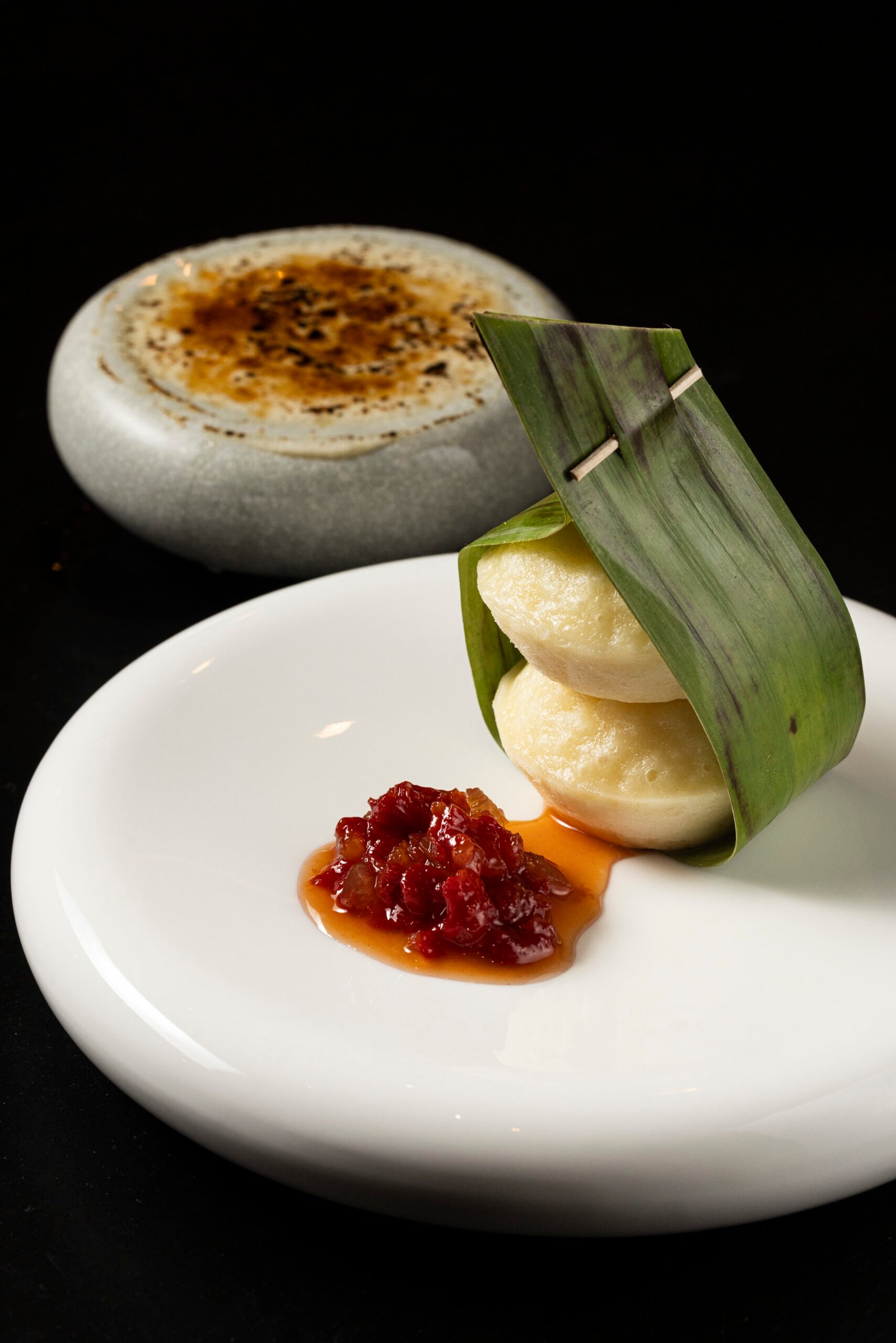
Nonetheless, what emerges is neither Digámo nor the artisans competing against each other, but a dialogue between modernity and tradition, homage and innovation, between Chef Francis and team and various artisanal suppliers.
And it’s not just food items, there are fine bone china smiths as well as kayas hair ornament makers supplying the restaurant. The architecture too, from ventilation transoms to an oculus, makes Digámo evoke corners from rural houses and churches sans stereotypes.
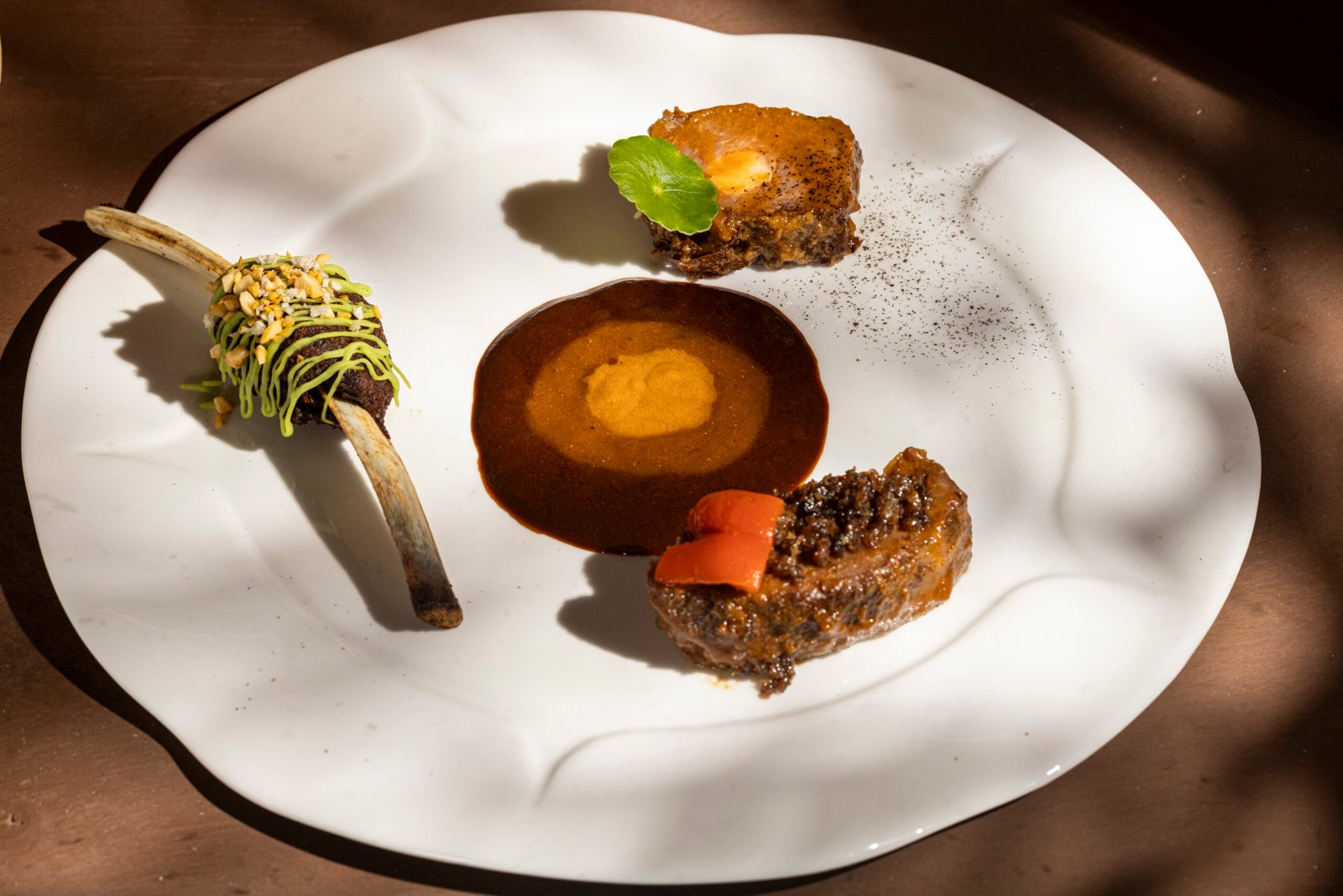
The curated cocktail sampling menu that can be added onto the tasting menu for a fee follows the above thread. We witness coconut wine spritzed with fermented pineapple (pinakurat) complementing native techniques, medicinal wine nodding at Chinese trade, and later, bourbon’s smokiness refreshing the palate after the C3 before we finally return full circle to lambanog, but this time with okra and squash puree, pairing with the Sarsa Confusion, the final savory entree and arguably the most playful dish winking at the common mix-up between menudo, kaldereta, and other tomato-based fiesta foods.
At heart, Lacson is a journalist, scholar, and advocate of Filipino culture, starting with culinary culture. He did win the annual Doreen Fernandez food writing three times, after all.
For this side of him, Digámo is also “an archive, of ingredients, of techniques,” the test kitchen of an advocacy that started in a family home of uncles and a grandfather filling in as community cooks during fiestas, all finally finding articulation after fermenting for decades.
For those familiar with Filipino cooking, it’s rediscovery and reconnection given a entry point through food. For diners new to the cuisine, it’s the best of what our 7,000-plus islands can offer.
Who knew the flavors of a mission, the taste of a calling, could be so sumptuous?

Alike was created to inspire, built on society and storytelling — from curating the best features of the country’s brightest luminaries and orchestrating events catered towards the country’s top, to showcasing the finest gems in art, lifestyle, and culture.
Alike is the next generation: the movers, the shakers of today.
We are Alike.