
Fashion and food might seem like two very different worlds, but lately, the line between the two has become increasingly blurred. Around the world, luxury and fashion brands are opening cafés, restaurants, as well as food concepts that turn their brand identity into something you can actually sit down and experience.
As of today, we’re seeing more of that in Metro Manila, too.
From fashion label Harlan + Holden’s minimalist coffee concept to The Grand Hausse’s fashion-and-dining destination, and now Ladurée’s grand Parisian salon in BGC, these spaces are proof that brands are no longer just selling products. They’re creating worlds you can step into.
With that said, why are fashion and luxury brands getting into the F&B industry?
Luxury is becoming an experience.
A luxury boutique is designed to make you feel something, and so is a carefully curated café.
The difference is that a café lets you actually stay in that world.
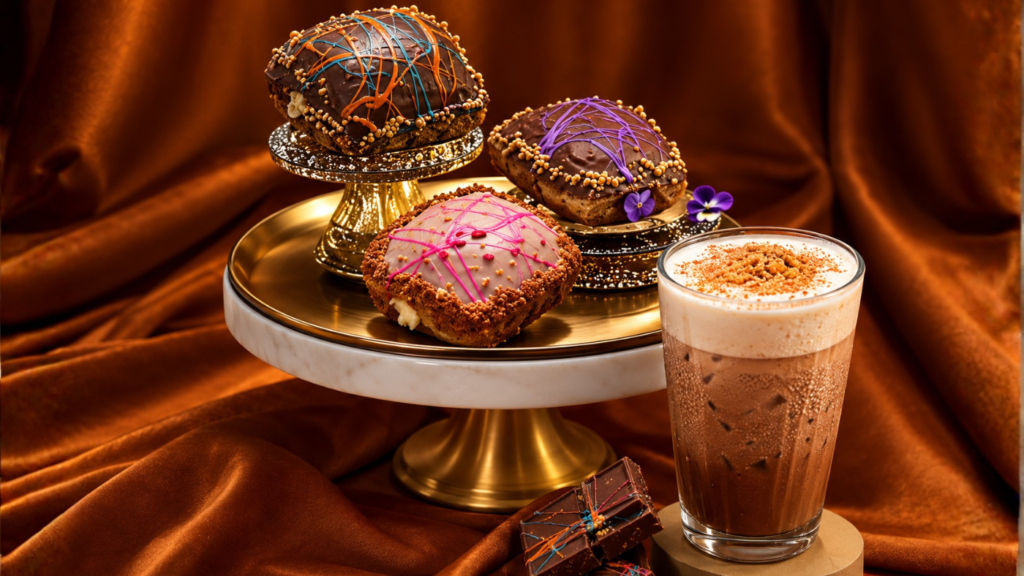
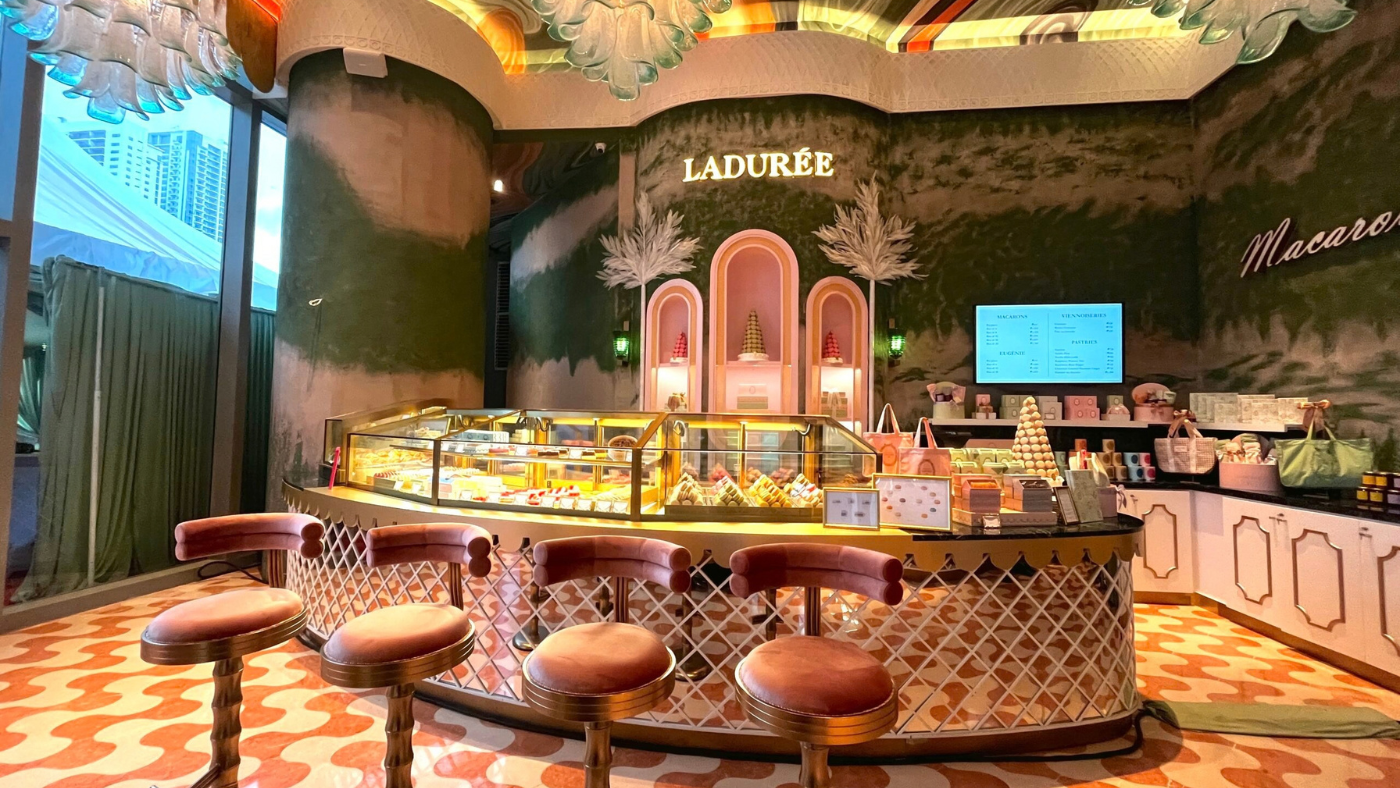
Take Ladurée’s flagship at One Bonifacio High Street, which brings together a pâtisserie, café, and Salon de Thé under one concept. The French maison’s first grand flagship in Southeast Asia isn’t simply a place to pick up its famous macarons; it offers a full Parisian experience, from handcrafted coffee and tea to a refined dining setting.
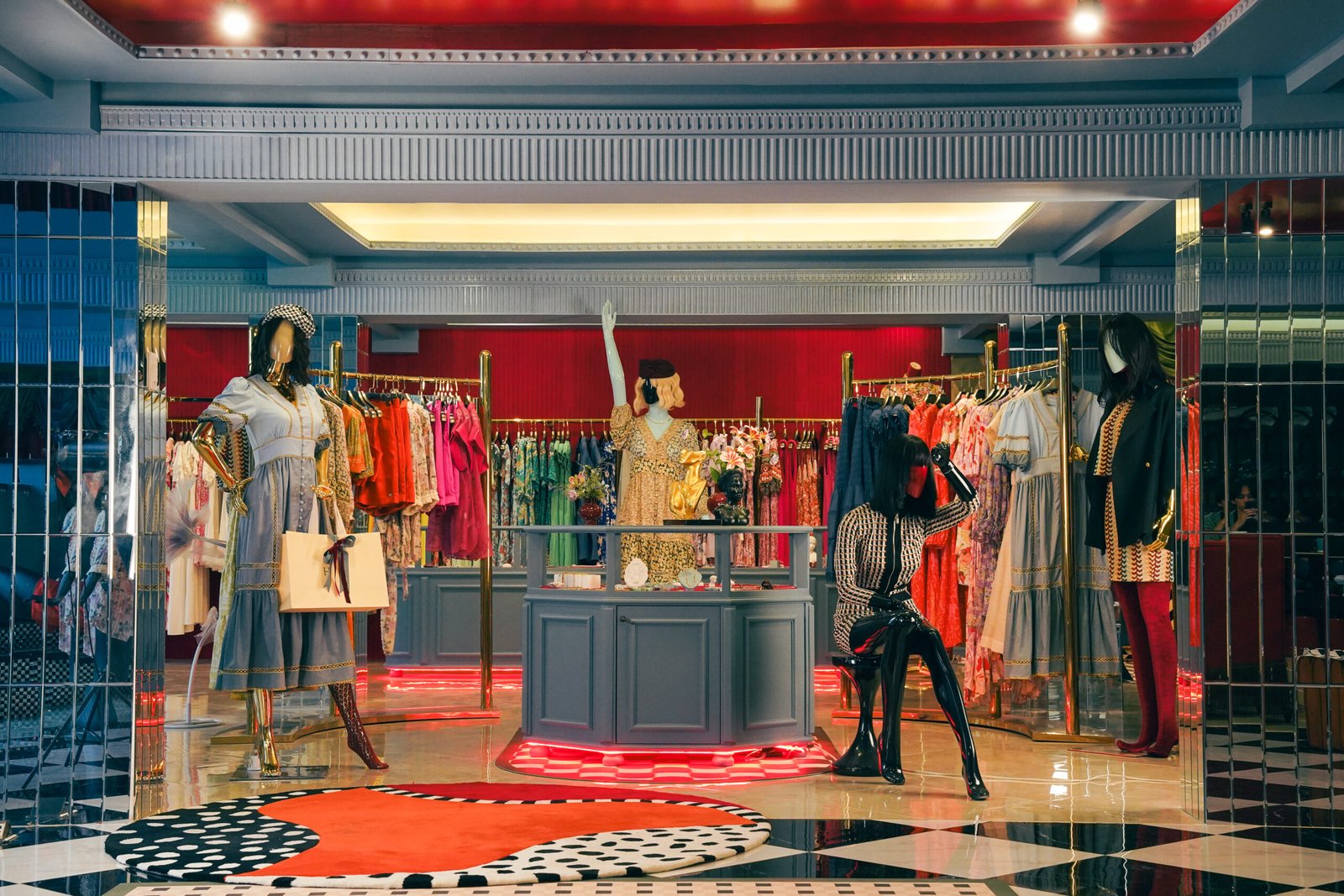
Similarly, The Grand Hausse in Quezon City combines fashion, dining, and interiors into one destination.
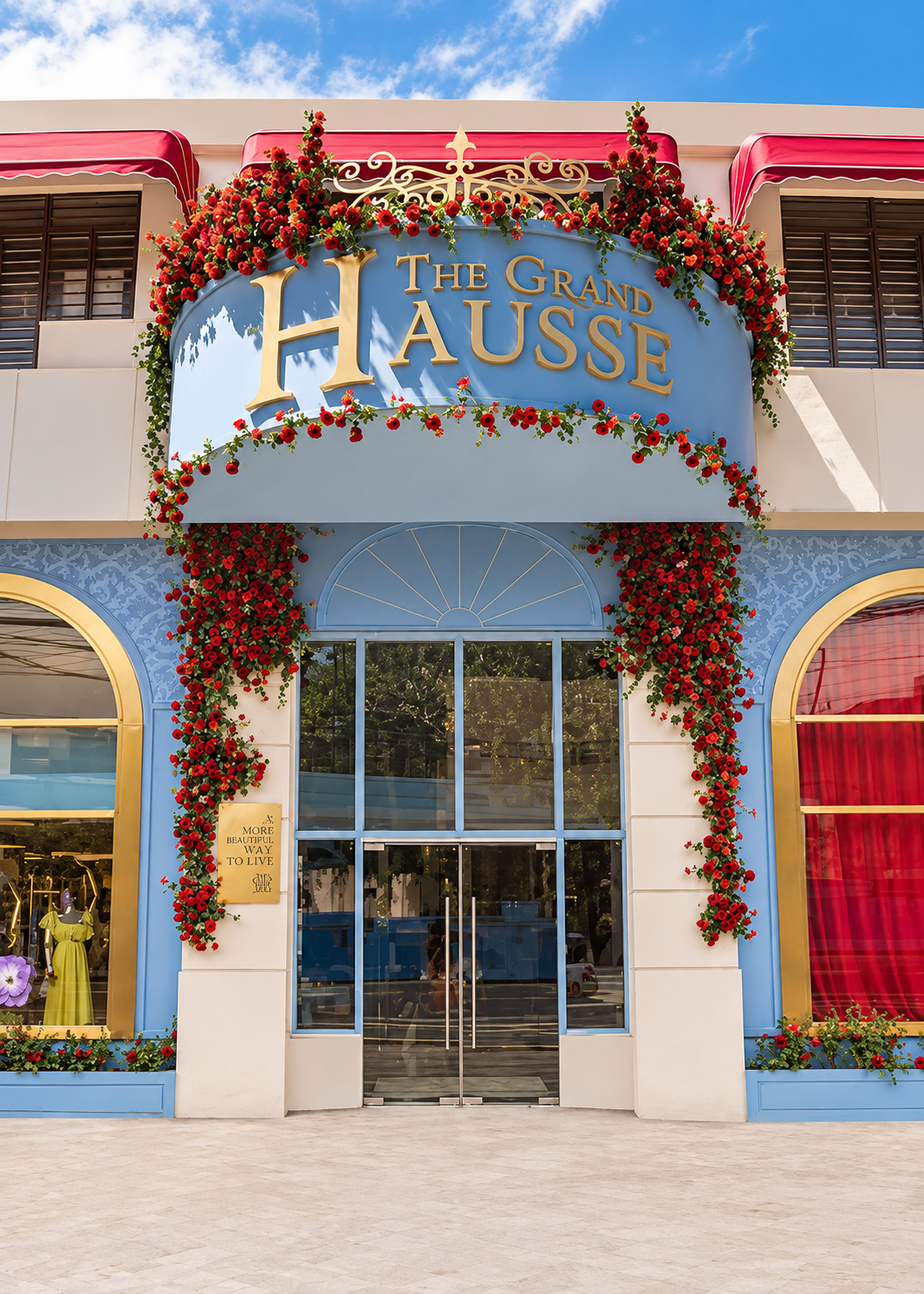
Instead of simply browsing a rack of clothes or buying a box of pastries, you’re surrounded by the brand’s point of view, from what you see to what you eat.
It’s luxury, but experienced rather than simply purchased.
It’s an easier entry point into the brand.
Let’s be honest: not everyone is walking into a fashion boutique ready to make a major purchase. Coffee, however, is a different story.
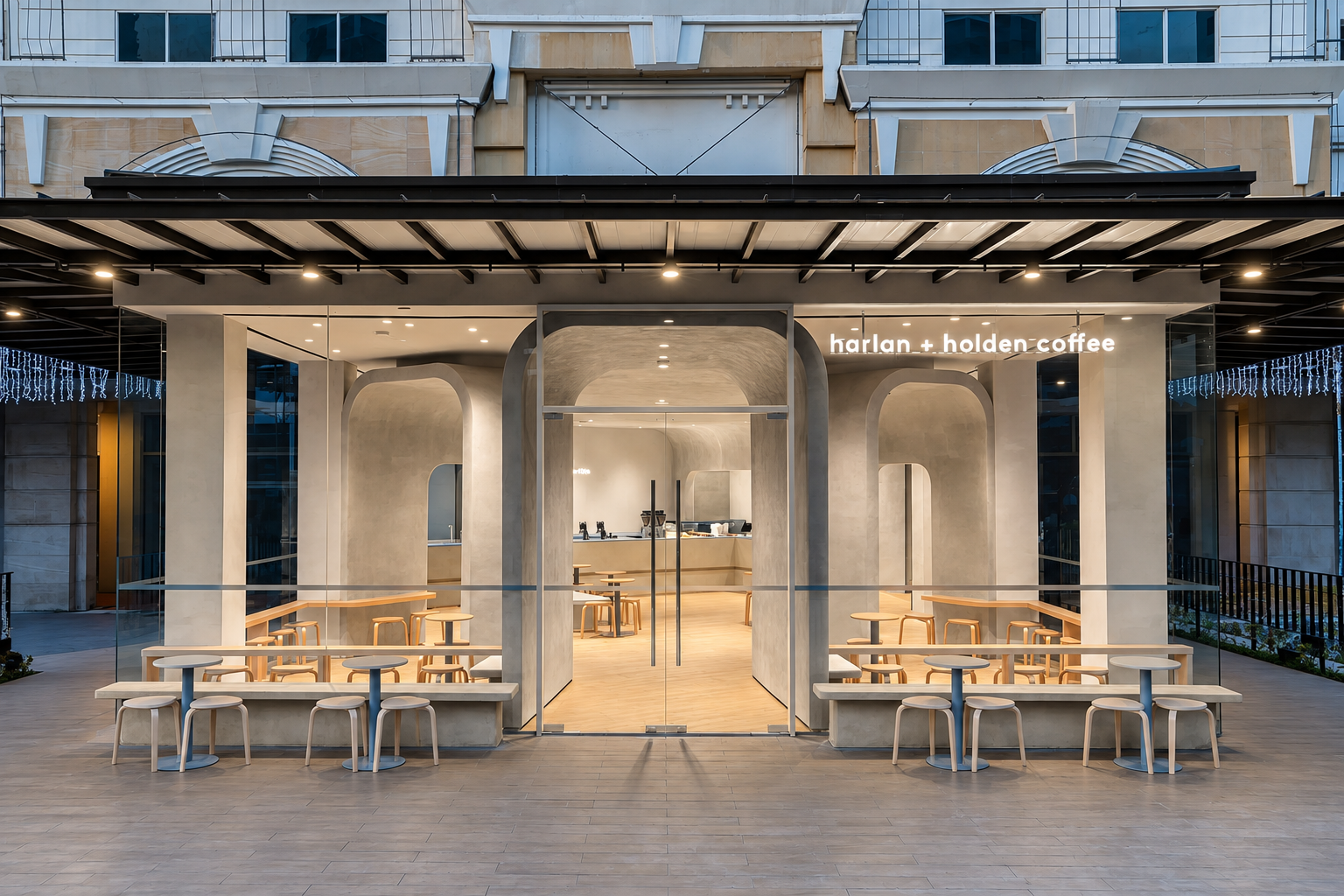
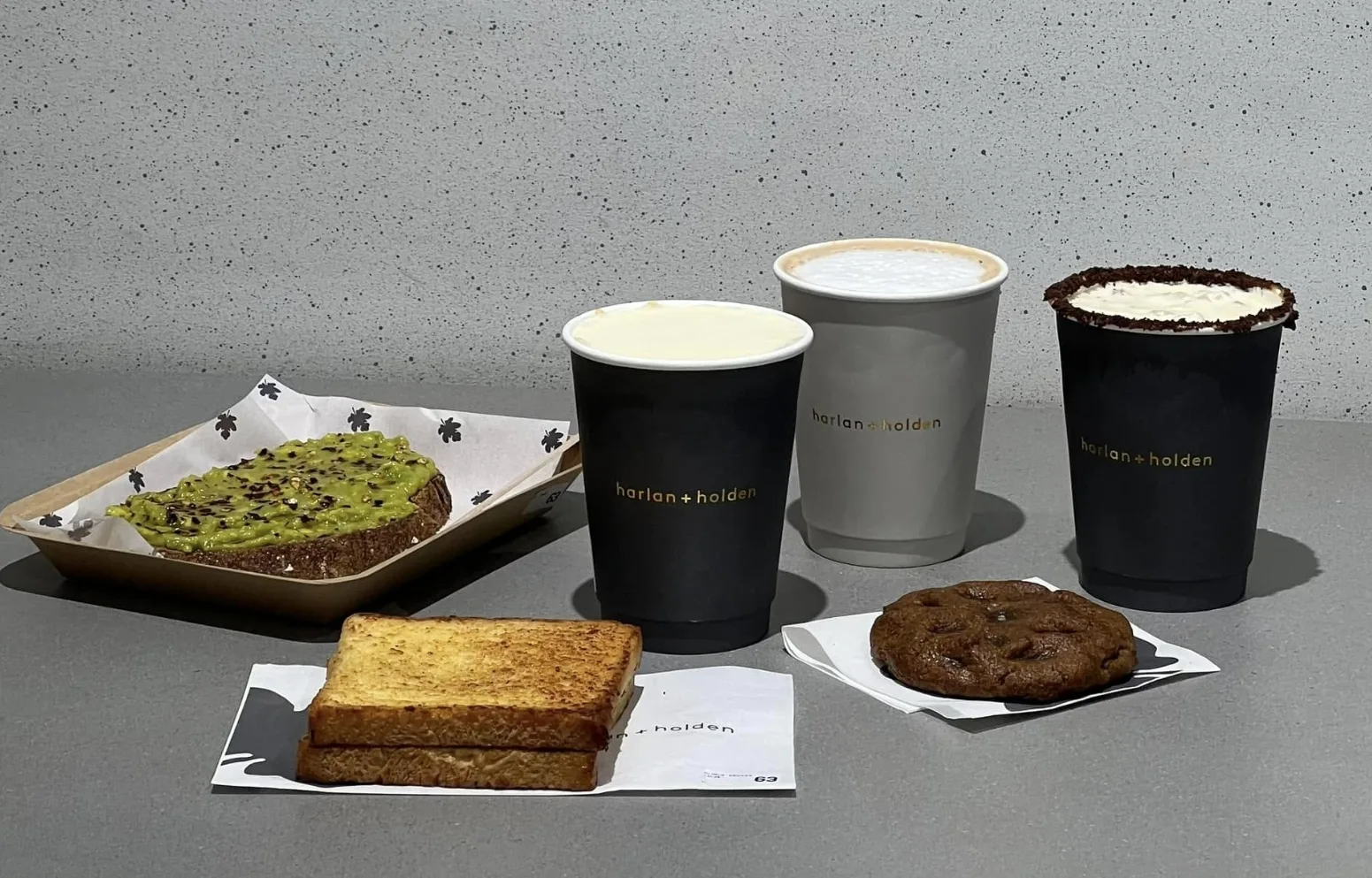
That’s part of what makes Harlan + Holden Coffee such an interesting extension of the fashion label. The Manila-founded brand has expanded its minimalist aesthetic from clothing into coffee, with multiple locations across Metro Manila, including BGC, Makati, Quezon City, and Ortigas. You might not be shopping for an outfit, but you might be shopping for a latte.
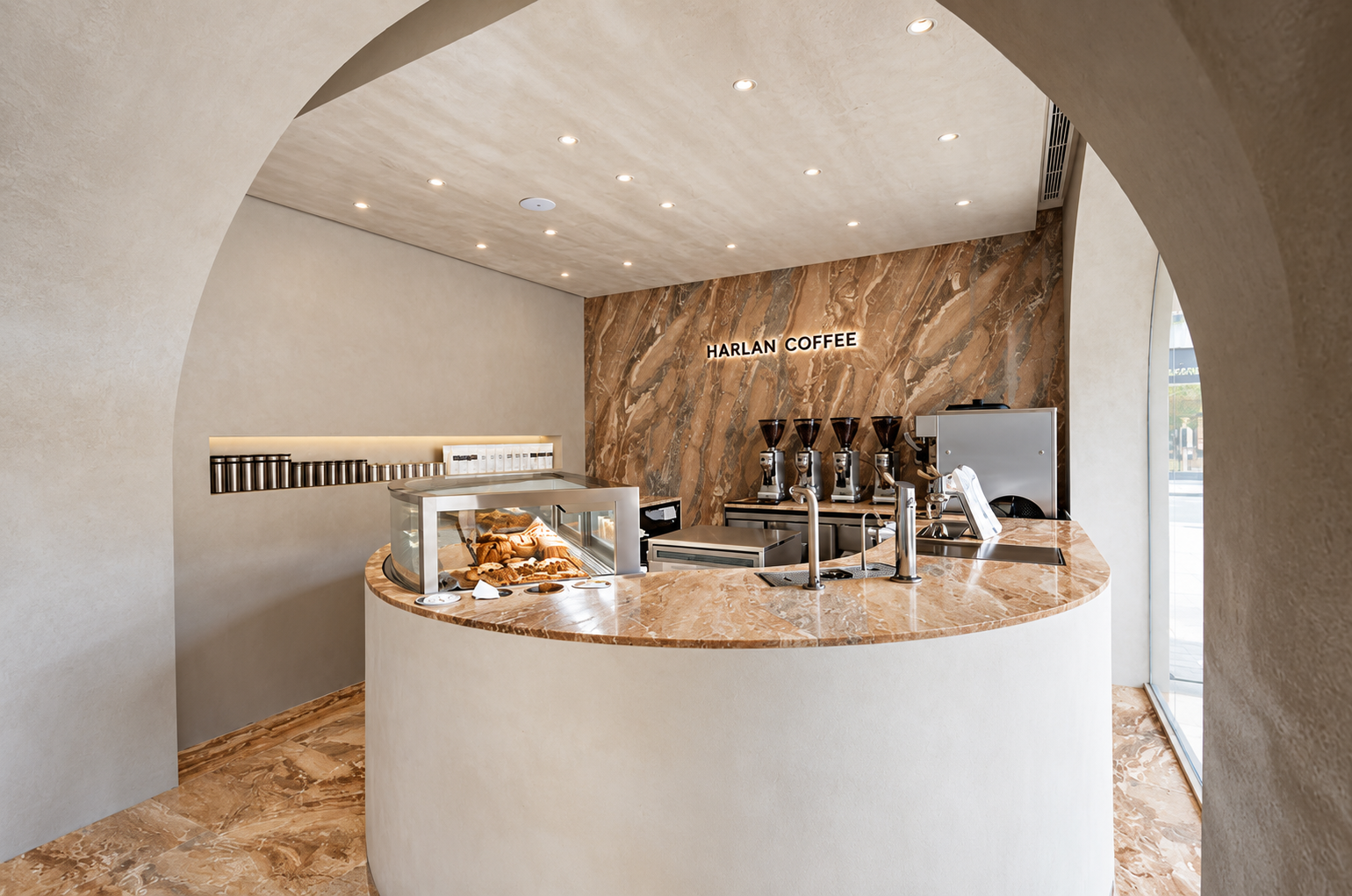
That casual interaction can introduce someone to the brand without asking them to make a significant purchase. The café becomes an accessible entry point into a much bigger brand universe.
The café becomes part of the brand’s lifestyle.
Luxury brands have long sold more than products. They sell a particular way of living. A fashion café brings that idea to life.
Harlan + Holden’s coffee concept reflects the same minimalist, everyday philosophy as its fashion line, while The Grand Hausse takes a more maximalist approach by bringing fashion, food, art, and interiors together in one space.
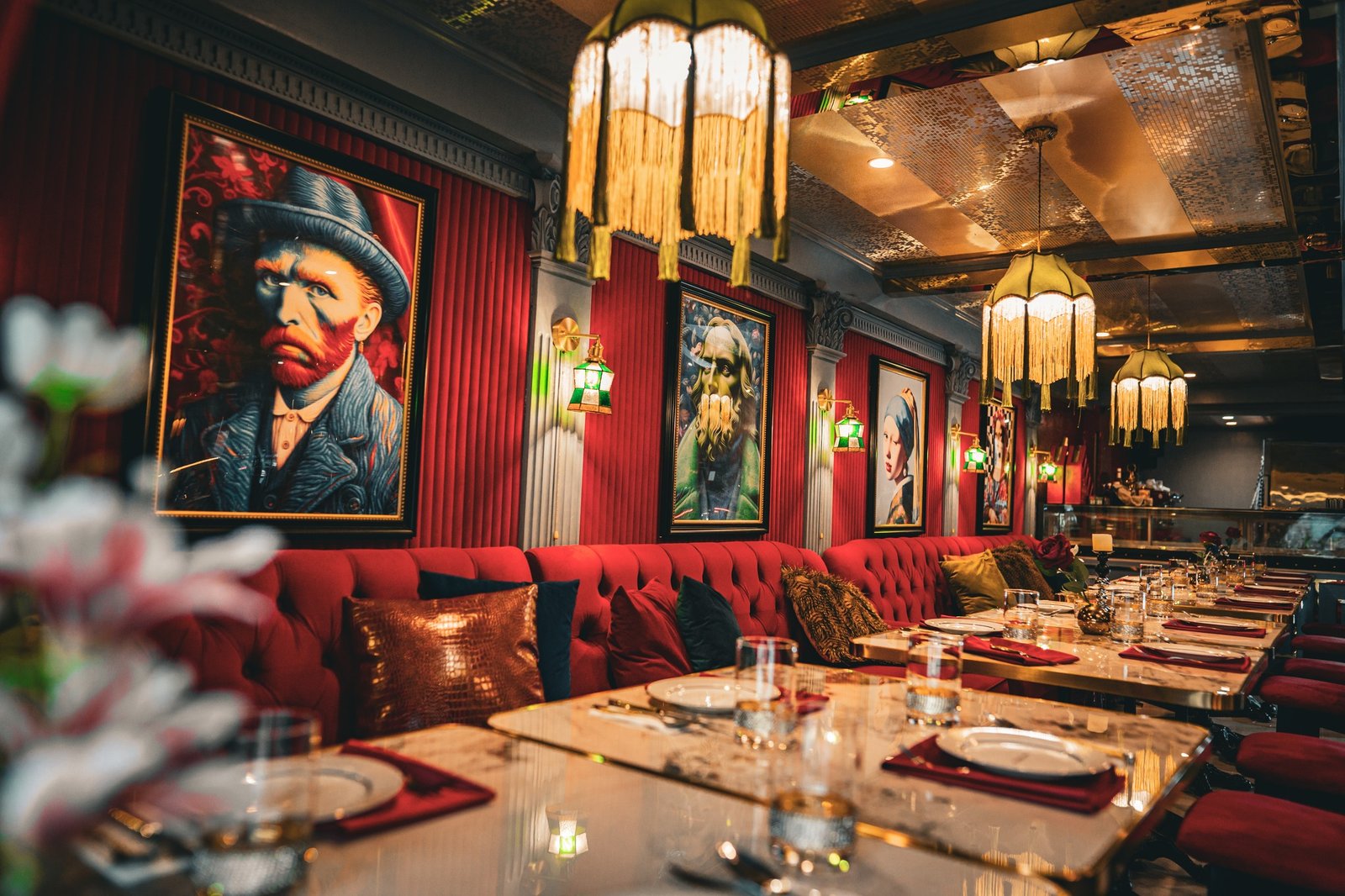
Ladurée, meanwhile, has spent more than 160 years building an identity around the French art of living. Its Manila flagship continues that tradition through its pâtisserie, café, and Salon de Thé.
Different aesthetics, same strategy: make the brand feel like a lifestyle rather than a product.
They’re practically made for social media.
Let’s not ignore the obvious reason: many people visit these cafés “for the ‘gram.”
Fashion already understands the power of visual identity. Cafés simply give brands another canvas to express it.
Ladurée’s pastel-hued Parisian aesthetic, signature macarons, elegant table settings, and ornate interiors practically invite customers to take photos. Meanwhile, Harlan + Holden’s BGC flagship leans into a distinctly minimalist, industrial aesthetic, complete with an open coffee bar and a second-floor seating area overlooking the streets of BGC.
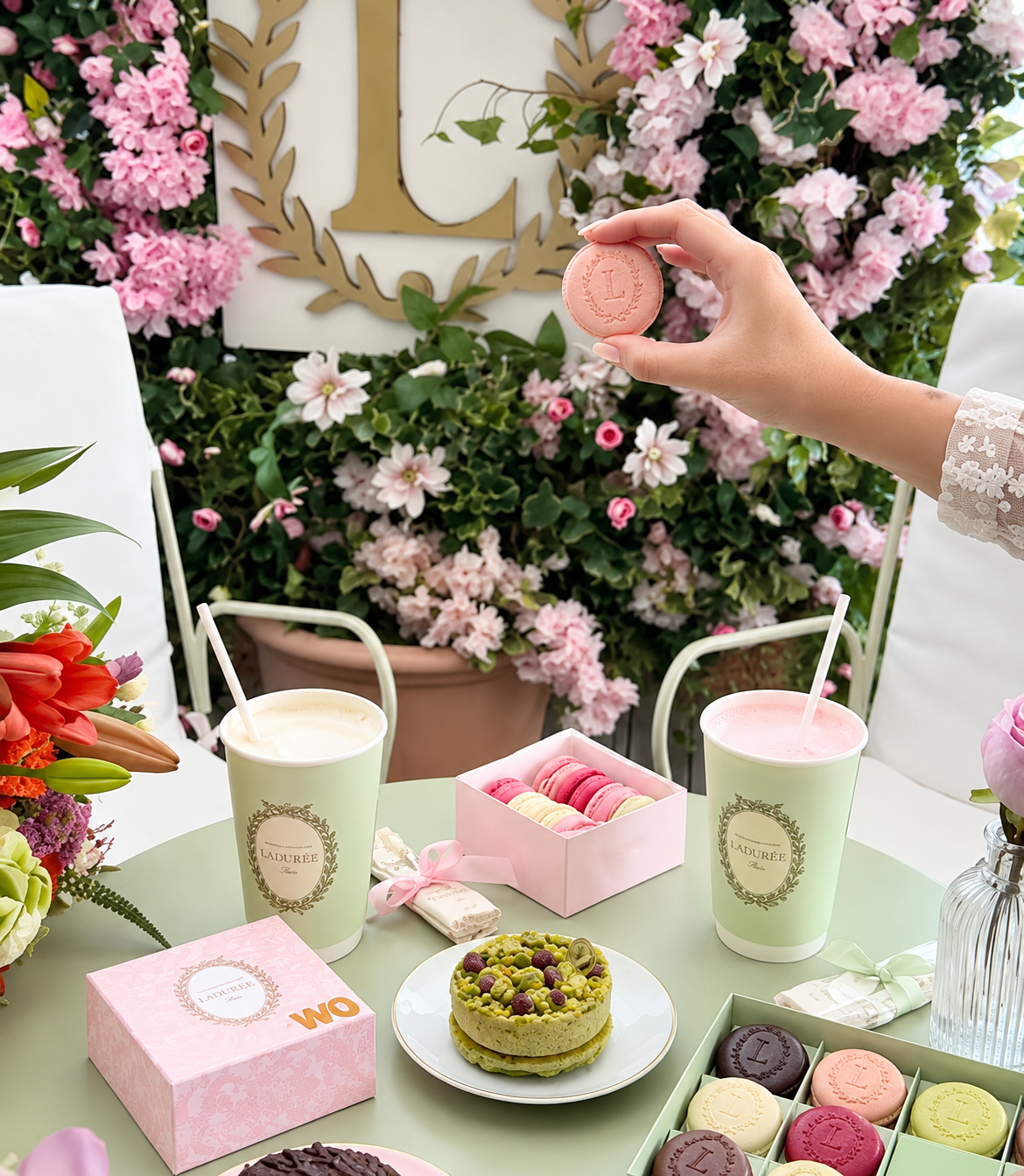
The result? One coffee run can become a photo dump.
The customer doesn’t just consume the experience. They document it and, in turn, help distribute the brand’s visual identity to their own audience.
Manila is already the perfect market for it.
Filipinos don’t need much convincing when it comes to combining food with lifestyle.
Metro Manila’s café culture has evolved into something much bigger than grabbing a quick cup of coffee. Cafés are meeting places, workspaces, date spots, weekend destinations, and increasingly, places to discover brands.
That’s why fashion cafés feel less like a strange crossover and more like a natural next step.
The presence of concepts like Harlan + Holden Coffee, The Grand Hausse, and Ladurée’s BGC flagship shows just how naturally fashion, beauty, design, and dining can coexist in the city. And each takes a different approach to the same idea: make the brand an experience worth spending time with.
It gives people a reason to stay.
Perhaps that’s the biggest appeal. A traditional retail store is built around browsing and buying. A café encourages you to linger.
You can spend an hour over coffee, catch up with friends, work for the afternoon, or simply enjoy the space. The longer you stay, the more familiar the brand becomes.
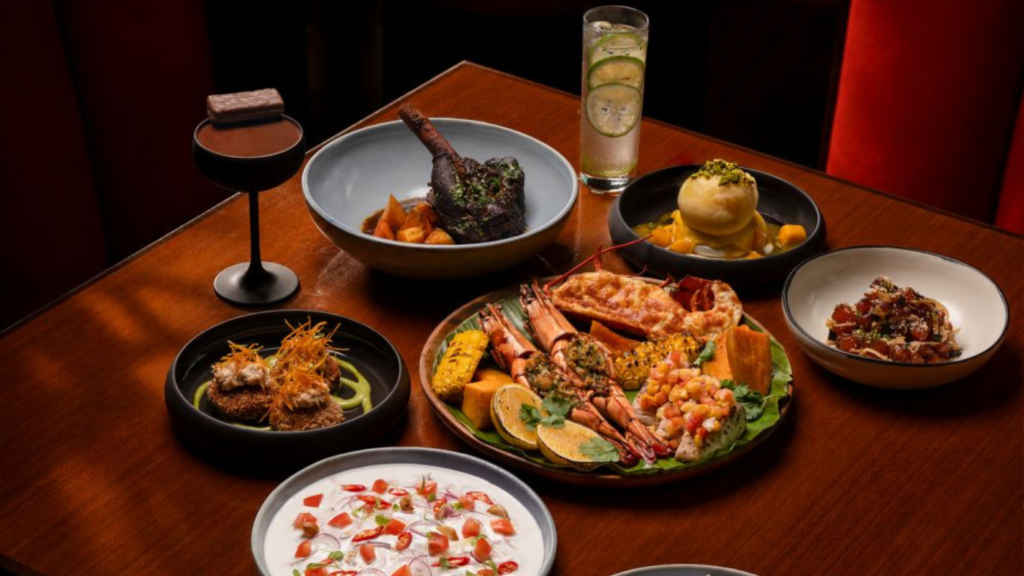
That’s what makes concepts like The Grand Hausse particularly interesting. Instead of simply shopping, visitors can dine, have coffee, explore the space, and take in the fashion and design surrounding them.
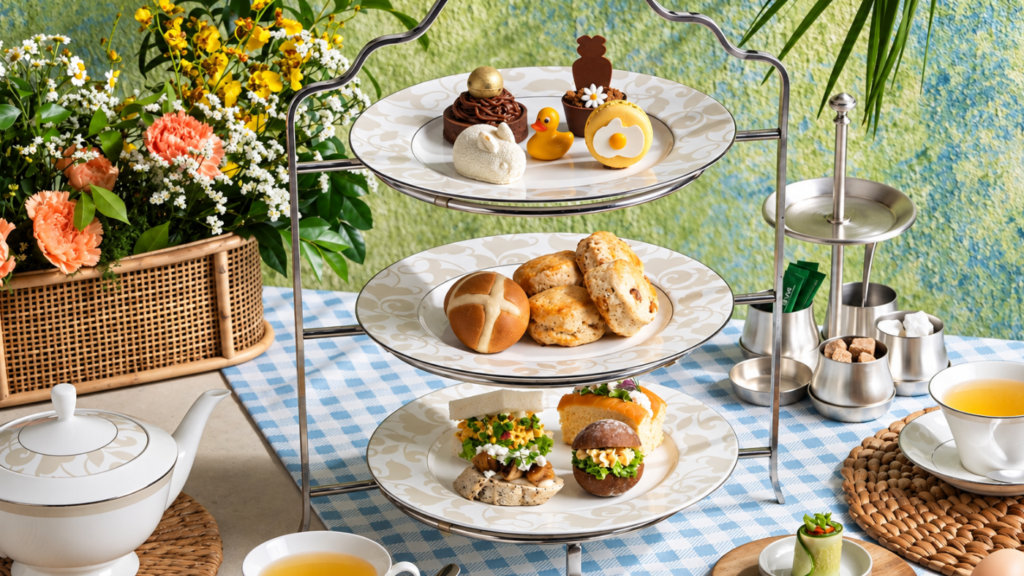
Ladurée takes the idea even further with its Salon de Thé, where the experience extends beyond a quick pastry stop into breakfast, lunch, high tea, and dinner.
Ultimately, that’s what fashion cafés are selling: not just a product or a meal, but a moment inside their world.
In a city where fashion, food, and café culture are increasingly intertwined, maybe the question isn’t why fashion and luxury brands are opening cafés.
It’s why wouldn’t they?

Alike was created to inspire, built on society and storytelling — from curating the best features of the country’s brightest luminaries and orchestrating events catered towards the country’s top, to showcasing the finest gems in art, lifestyle, and culture.
Alike is the next generation: the movers, the shakers of today.
We are Alike.