
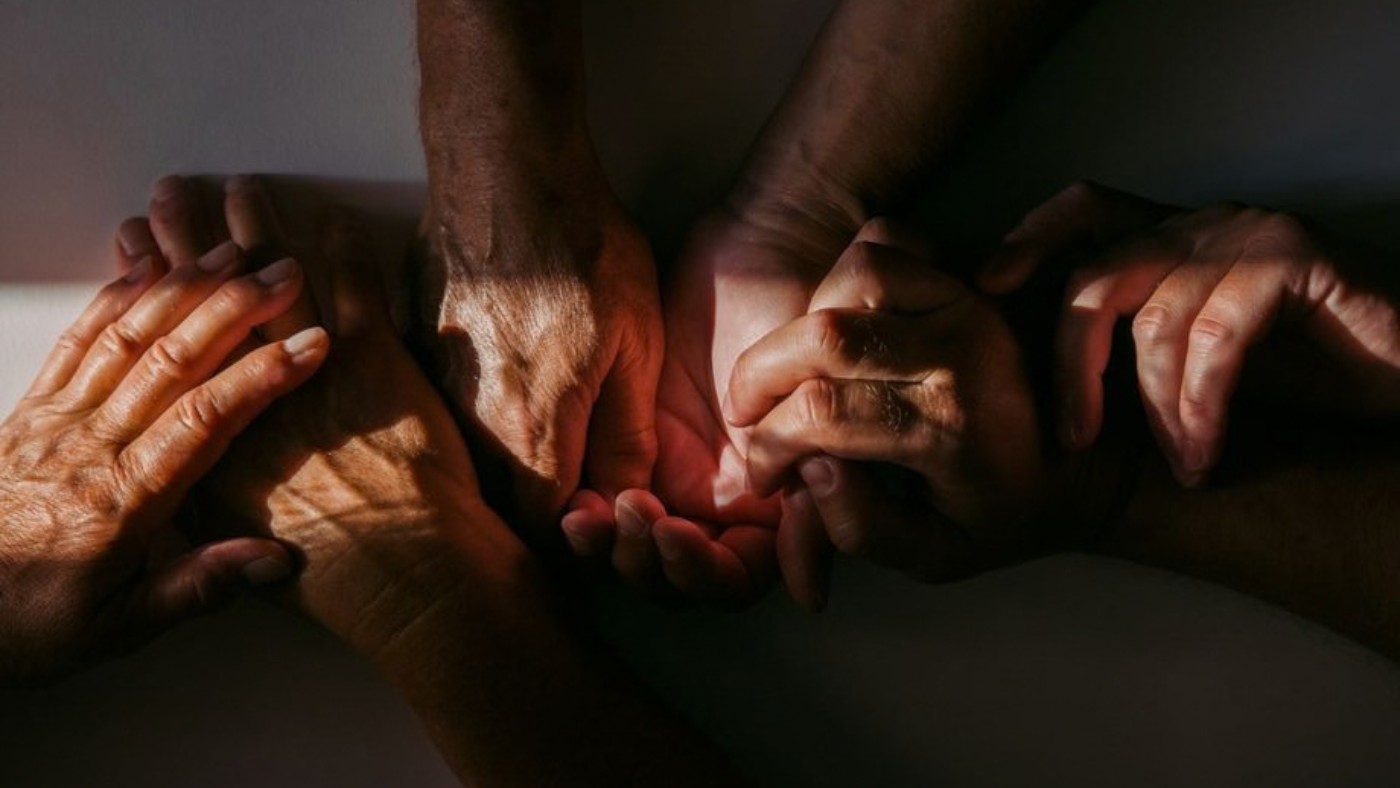
Luxury has long been associated with what we can acquire: the house, the watch, the holiday, the coveted piece that makes it into the wardrobe. But increasingly, the more interesting question is what people choose to give back.
In the Philippines, philanthropy is taking many forms, from scholarships and digital literacy programs to community initiatives that begin with something as simple as showing up. These efforts also reveal a broader idea of luxury: having the resources, influence, or platform to create opportunities for others.
Education as an Investment in the Future
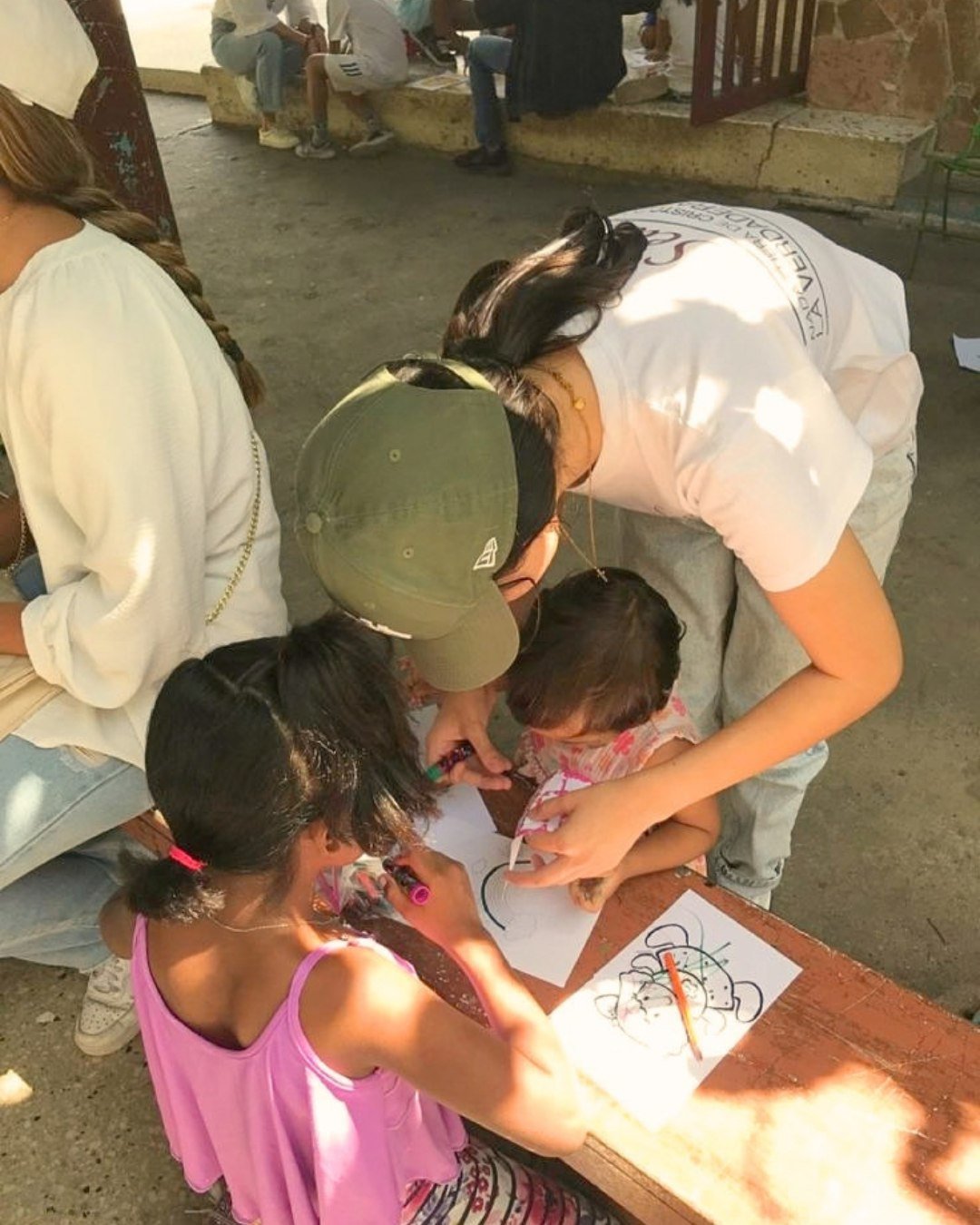
For Mina Cabugao-Ballesteros, giving back begins with understanding what a community actually needs. As executive director of the Gelacio I. Yason Foundation – Family Farm School in Oriental Mindoro, she works with a model that connects formal education with rural life.
The school uses an “alternancia” system, where students alternate between classroom learning and work on their family farms. The approach recognizes that education in rural communities doesn’t have to mean disconnecting young people from the realities of where they come from. In 2026, Ballesteros was recognized as an InLife Sheroes awardee for her work in rural education.
It’s a reminder that philanthropy also means strengthening an existing community and giving people the tools to build their own future.
A Younger Generation Giving Back Differently
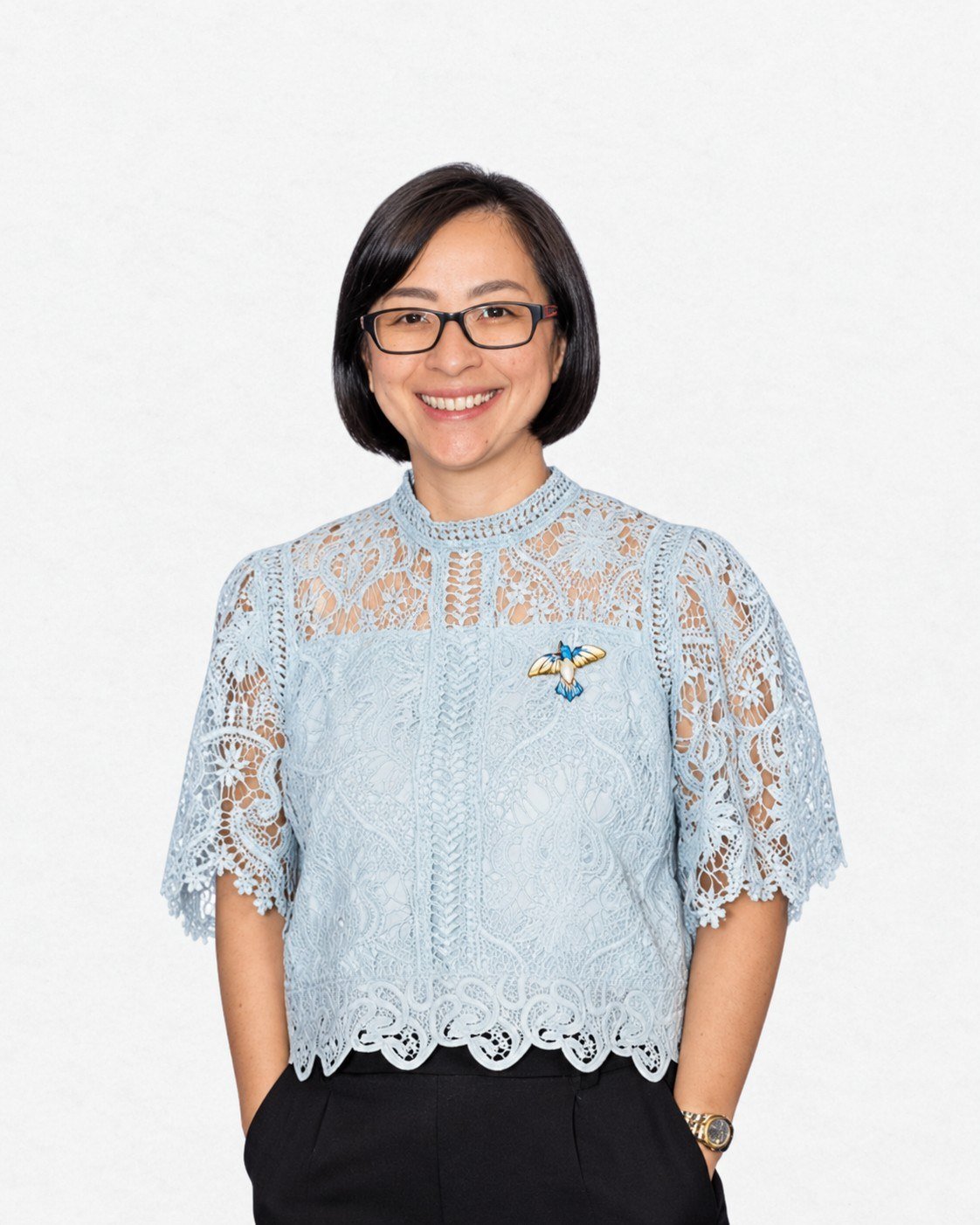
For Gen Z Filipina entrepreneur Dun Concha Abiera, social impact also intersects with the digital world. Abiera is the executive director of Yabong Philippines, an organization focused on youth advocacy and digital literacy.
Through initiatives such as Work Beyond Borders and Digiconomy, Yabong works to equip young women with digital and media skills, helping them participate more fully in an increasingly digital economy. The Philippine Commission on Women has highlighted Abiera’s work around gender bias, online safety, and the need to view digital literacy as part of inclusion.
It’s a distinctly contemporary form of giving: sharing knowledge and access in a space where opportunity can often depend on knowing where to look.
When Giving Becomes a Family Legacy
For some Filipino families, philanthropy isn’t a new chapter but an inherited responsibility.
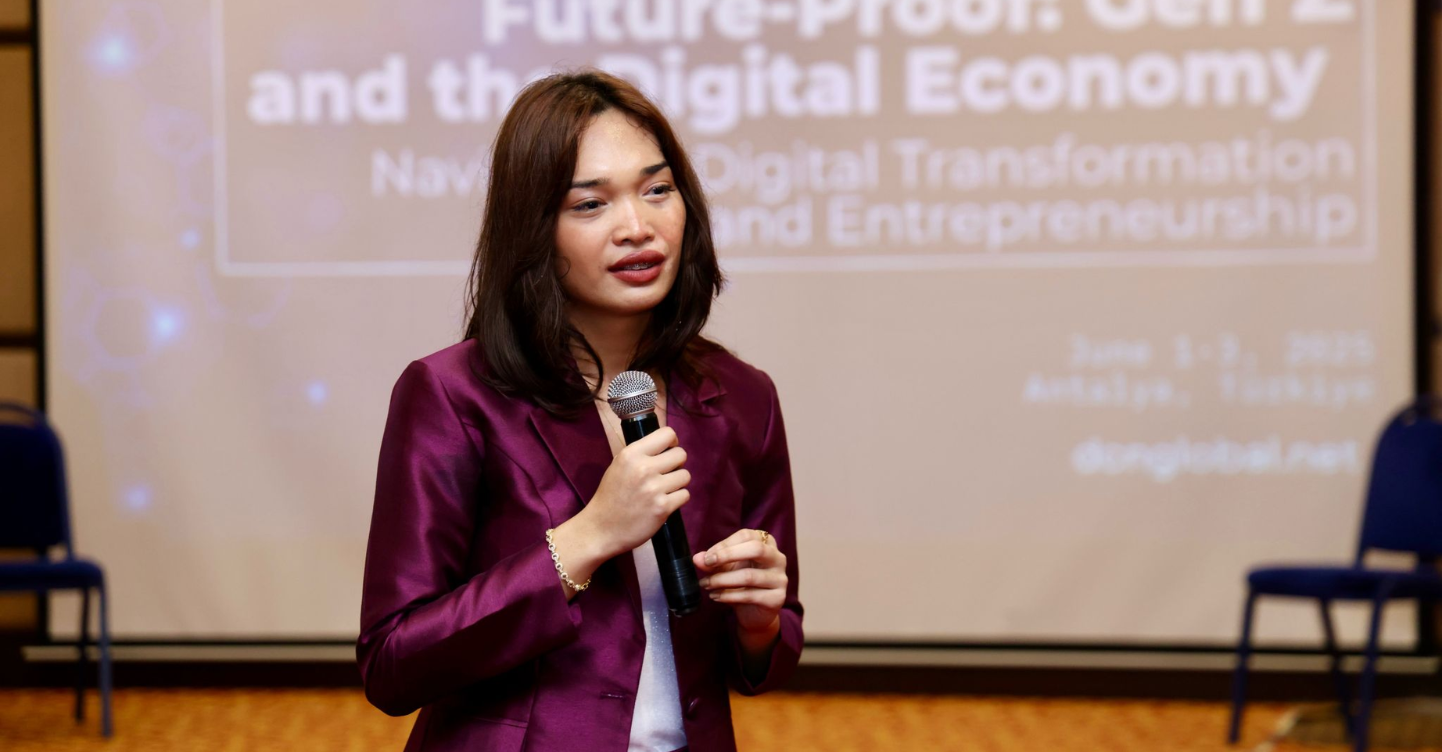
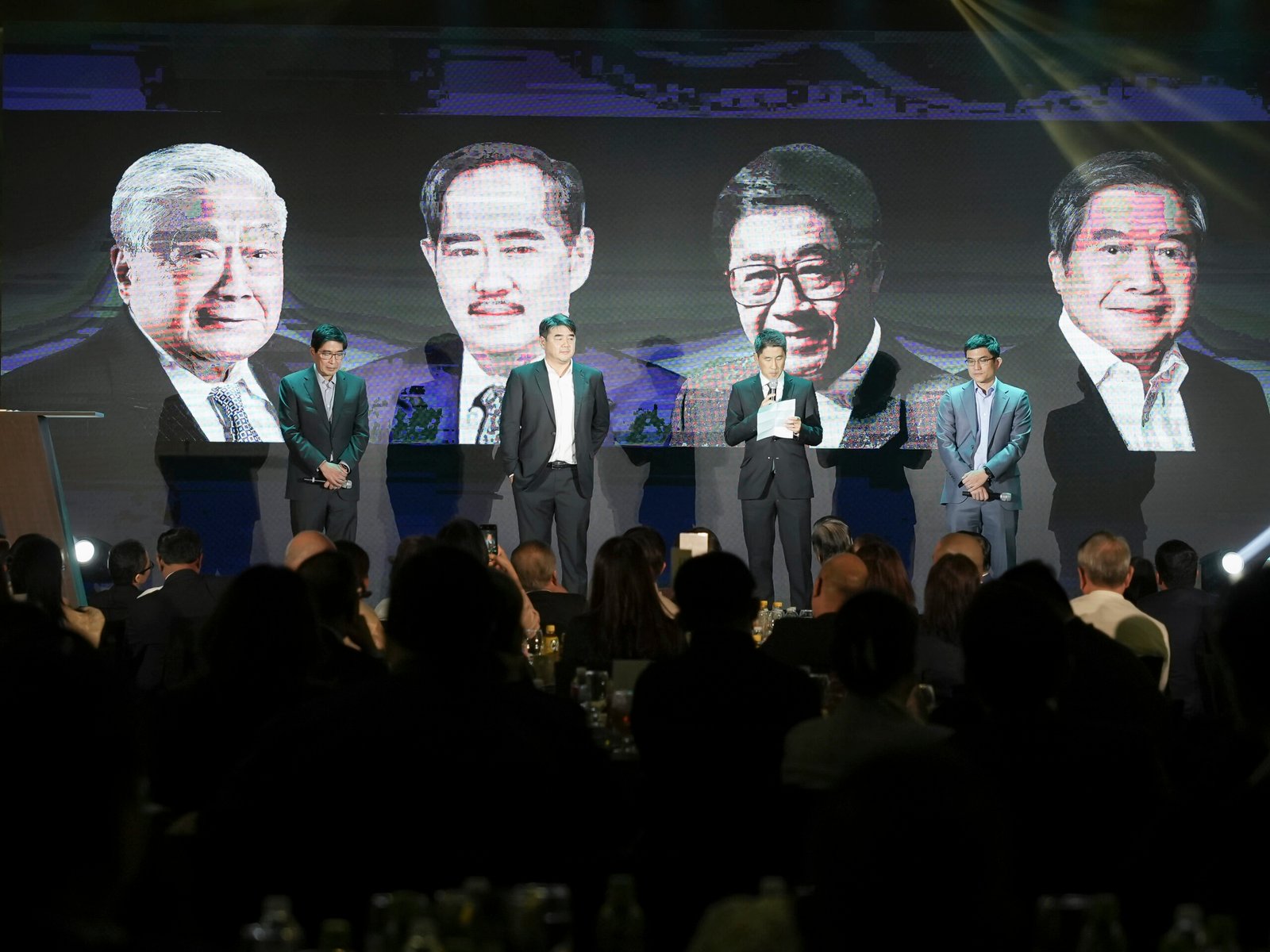
Lance Gokongwei, chairman of the Gokongwei Brothers Foundation, represents a newer generation carrying forward a family commitment to education. The foundation was established by John, Henry, Johnson, and James Gokongwei and has spent decades supporting Filipino learners and educators.
Today, its work includes STEM scholarships, technical-vocational training, teacher development, and community education. In 2025, the foundation reported supporting 3,428 scholars over its lifetime and training 164,000 teachers.
The model illustrates how privilege can be translated into infrastructure: not simply giving once, but building programs that continue long after the original benefactor is gone.
Giving Can Also Begin With Community
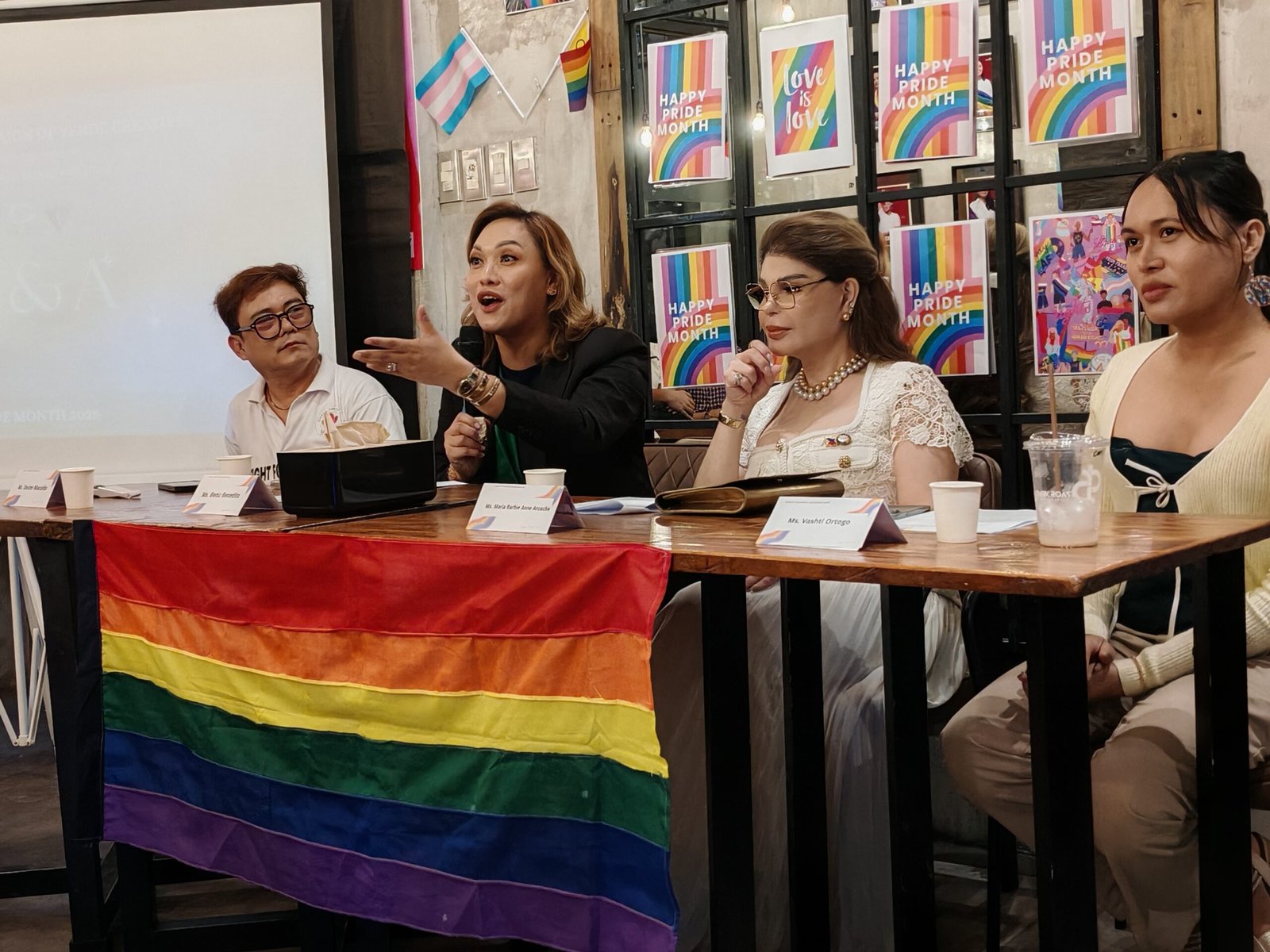
Philanthropy doesn’t always happen at the scale of scholarships or foundations. Bemz Benedito’s work with Verde Creatives and Munting Hiling shows how community involvement can grow from personal experience.
Benedito’s connection with Payatas began during her student years, when fieldwork brought her into the community. In 2026, that relationship continued through “Verde Gives Back for Feb-Ibig,” a community initiative held at Payatas B Elementary School that brought residents together through gifts, activities, and conversations around dignity and inclusion.
The significance is in the continuity. What began as a school requirement became a long-term relationship with a community.
A Different Definition of Wealth
These stories offer a different way of looking at wealth. It’s not simply as something to accumulate, but as something that can create opportunities for others. Whether through education, digital access, community programs, or sustained advocacy, giving back can turn personal resources and influence into something with a much wider reach.
For these Filipinos, purpose comes not only from what they have, but from what they choose to do with it. And perhaps that is one of the most meaningful measures of wealth: having the ability to make a difference, and choosing to share that ability with others.

Alike was created to inspire, built on society and storytelling — from curating the best features of the country’s brightest luminaries and orchestrating events catered towards the country’s top, to showcasing the finest gems in art, lifestyle, and culture.
Alike is the next generation: the movers, the shakers of today.
We are Alike.