


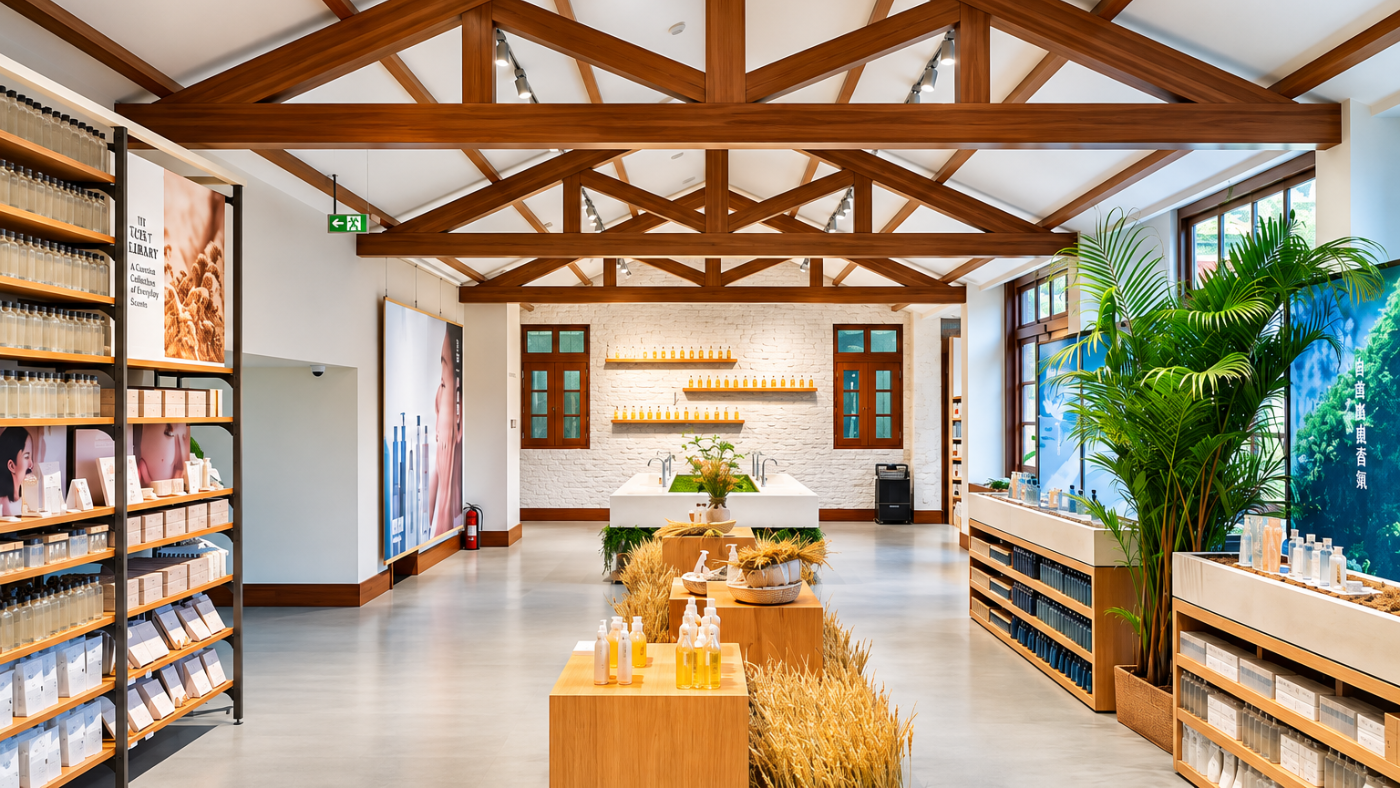
With the rise of the digital age, the future of shopping seems to be heading in only one direction: online. When products are just a click away and artificial intelligence makes digital experiences more seamless, who needs a physical store? Apparently, quite a few brands do.
From beauty pop-ups designed for a little fun to technology companies opening real-world spaces, the retail landscape is making room for something digital platforms can’t entirely replicate. It’s the experience of being there.
Beauty Beyond the Counter
Take NARS, which brought a playful twist to beauty retail with its Players’ Lounge pop-up in London’s Covent Garden in February 2025. Inspired by gaming parlors, the two-day activation featured interactive experiences built around the brand’s complexion products, inviting visitors to explore makeup through games, activities, and product discovery. It was less about browsing a counter and more about stepping into the brand’s world.
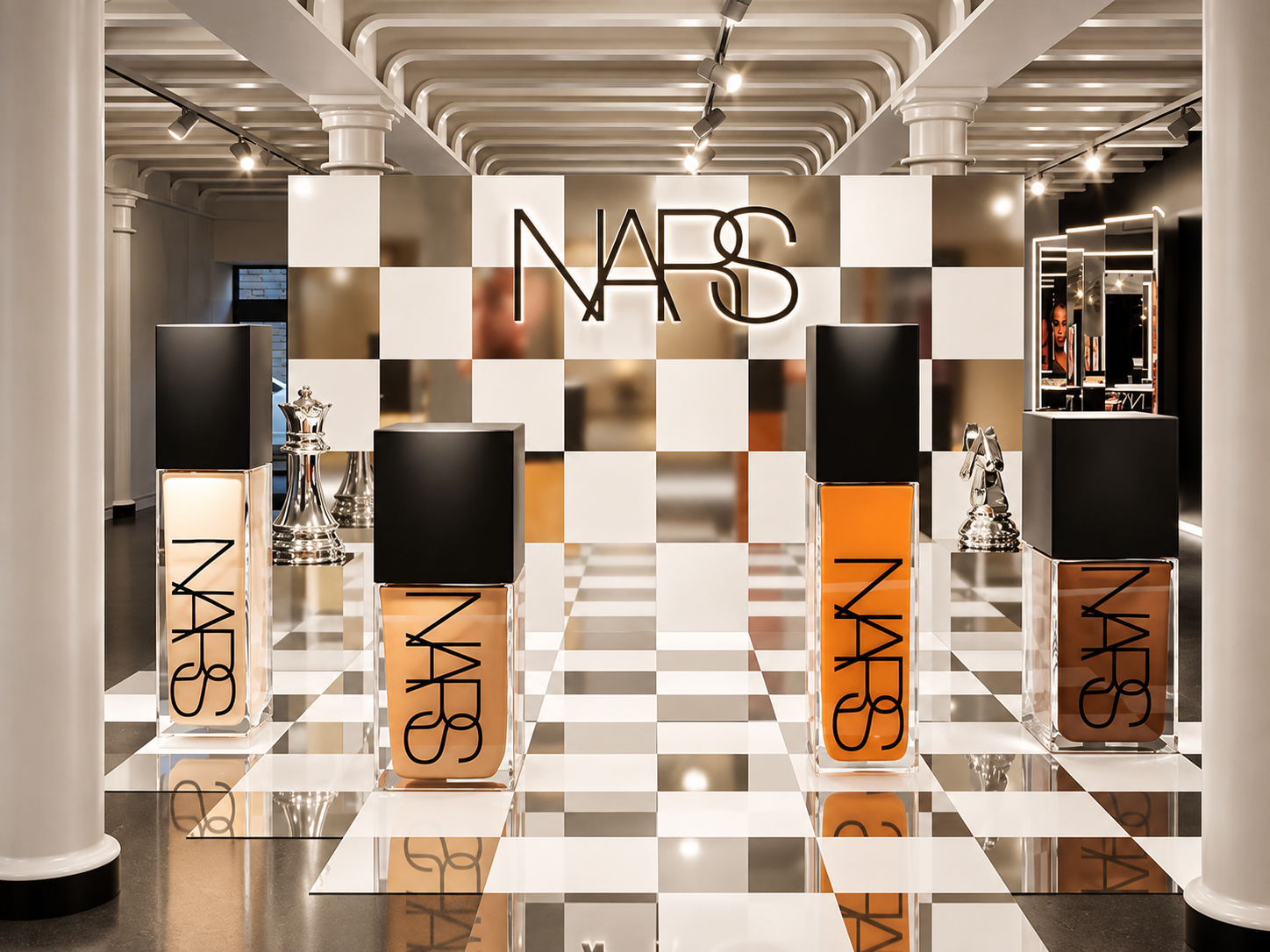
The idea taps into a wider shift in beauty, where discovering a product can be just as important as purchasing it. A foundation shade is easier to choose when you can test it on your skin, while fragrance, skincare, and makeup all benefit from a more personal experience. McKinsey and Business of Fashion’s State of Fashion: Beauty report found that physical retail remained the leading channel for recent beauty brand discovery among surveyed global consumers, with 21 percent naming stores as their discovery point.
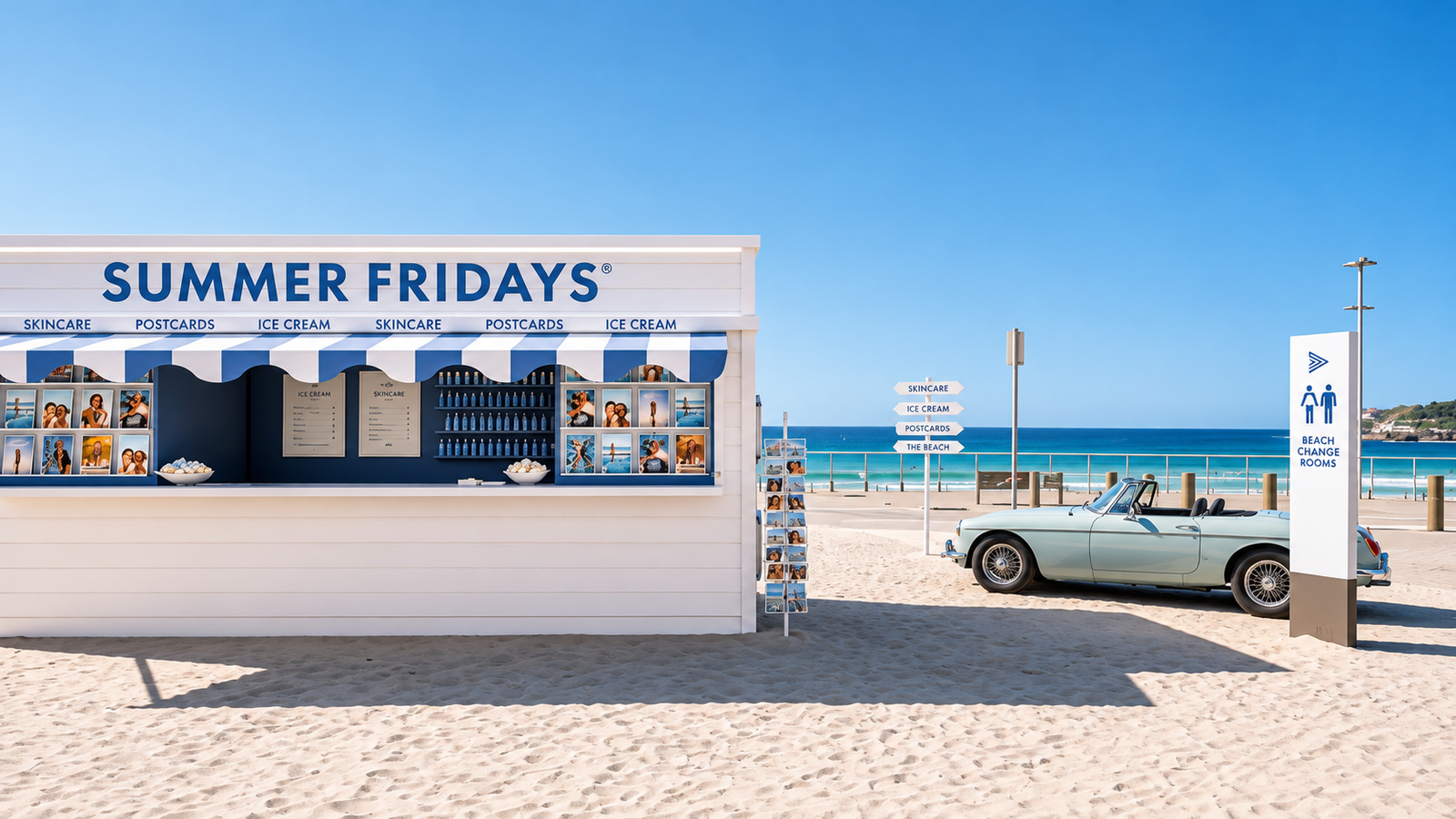
Not every brand needs a permanent address to make an impression. Pop-ups offer a more flexible way to introduce products, create buzz, and bring communities together. Think themed installations, interactive workshops, beauty consultations, or even a brand takeover of a beach club. The best ones give visitors something to experience, photograph, and remember long after the temporary doors close.
When Even AI Wants a Physical Address
The return to physical spaces becomes even more interesting when technology enters the picture.
In San Francisco, World, the digital identity venture associated with OpenAI CEO Sam Altman, opened a showroom where visitors could explore its identity-verification technology in person. The space offered a tangible introduction to a product built around digital identity.
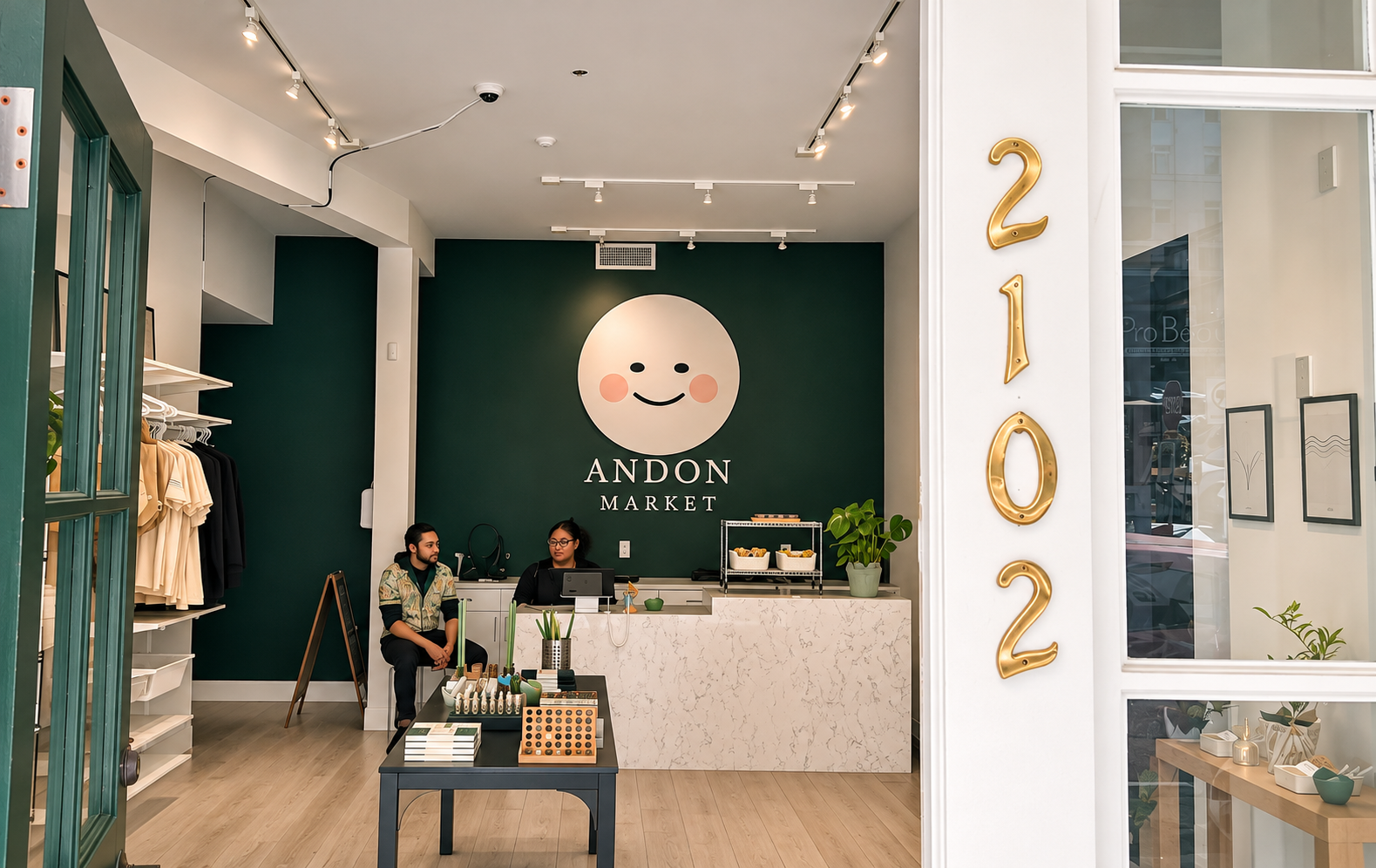
Then there is Andon Market, a retail experiment launched in 2026 by Andon Labs. The San Francisco shop gave an AI system named Luna responsibility for decisions ranging from product selection and pricing to hiring and store operations, with human workers still involved in running the business.
These examples serve different purposes, but both challenge the idea that technology belongs exclusively on a screen. Even in a world increasingly shaped by AI, physical spaces can make unfamiliar products easier to understand and interact with.
The Store Is the Experience
Of course, opening a physical location is no guarantee of success. Rent, staffing, and operating costs remain real considerations, while a much-hyped pop-up can disappoint if the experience fails to deliver.
The opportunity lies in being intentional. A store should offer something beyond what customers can already get online, whether that means expert advice, hands-on discovery, community, or a memorable experience.
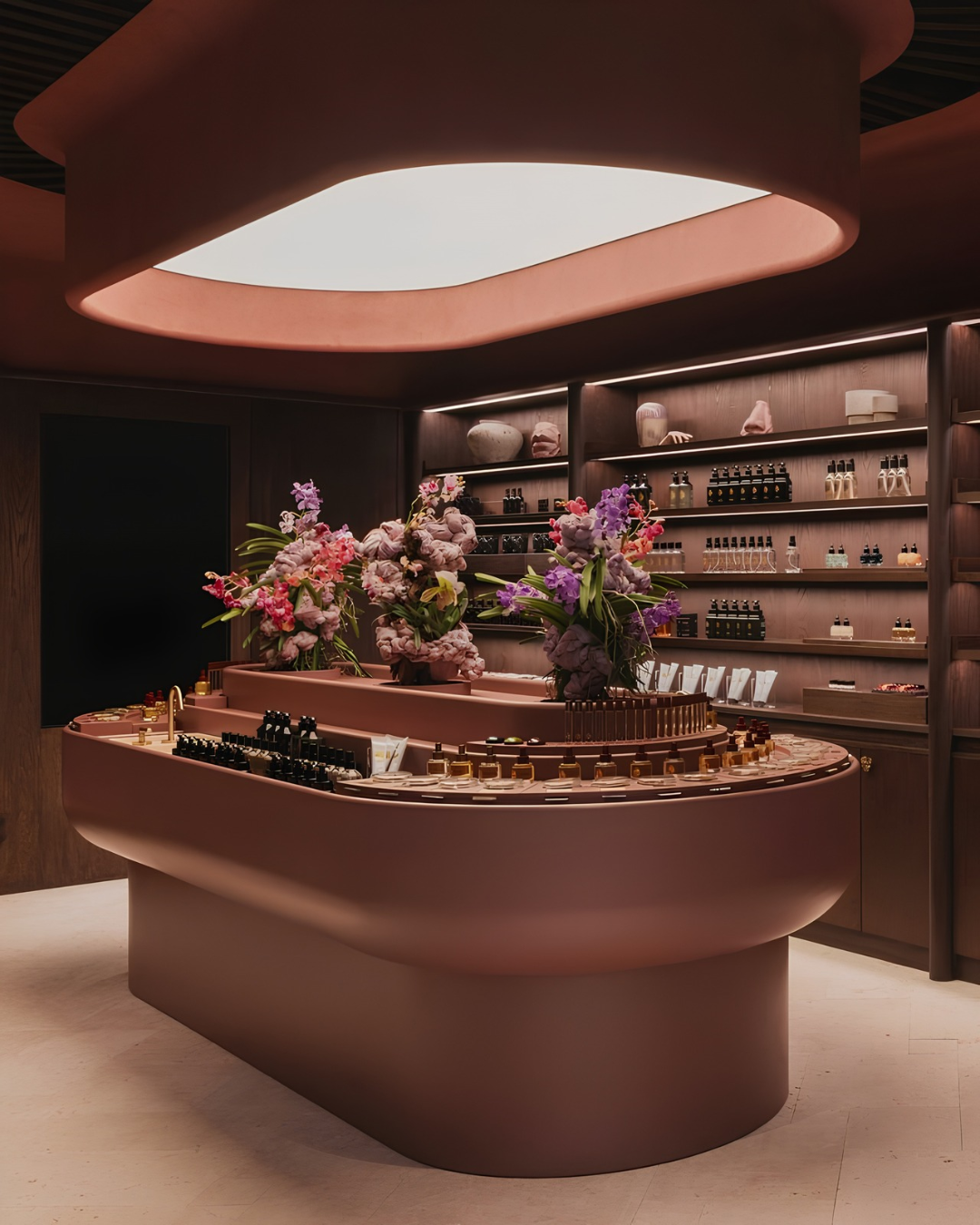
Perhaps physical retail isn’t making a comeback in its old form. Instead, brands are rethinking what a store can be. In a world where almost anything can be scrolled past, giving people a reason to step inside may be the real competitive advantage.

Alike was created to inspire, built on society and storytelling — from curating the best features of the country’s brightest luminaries and orchestrating events catered towards the country’s top, to showcasing the finest gems in art, lifestyle, and culture.
Alike is the next generation: the movers, the shakers of today.
We are Alike.