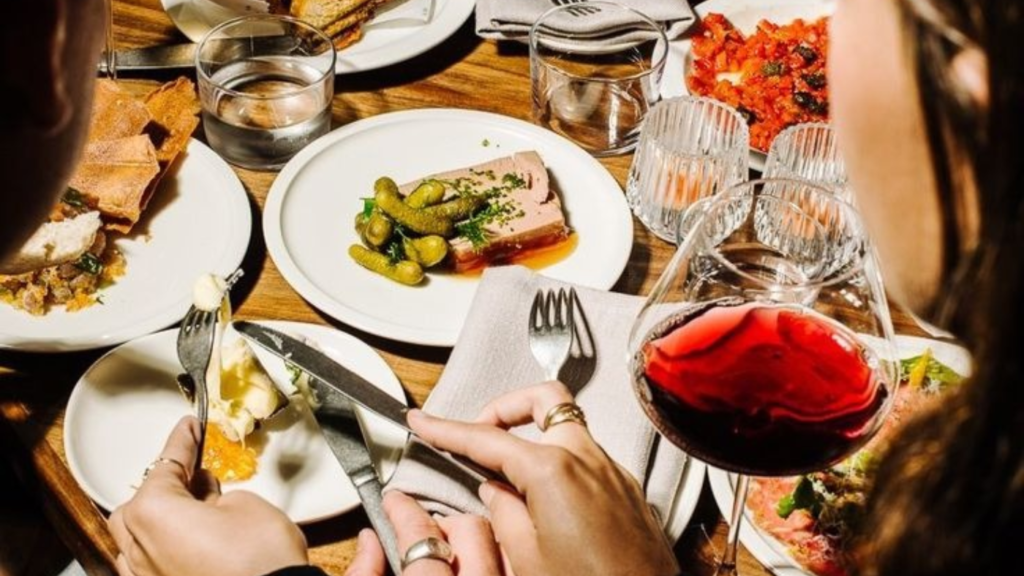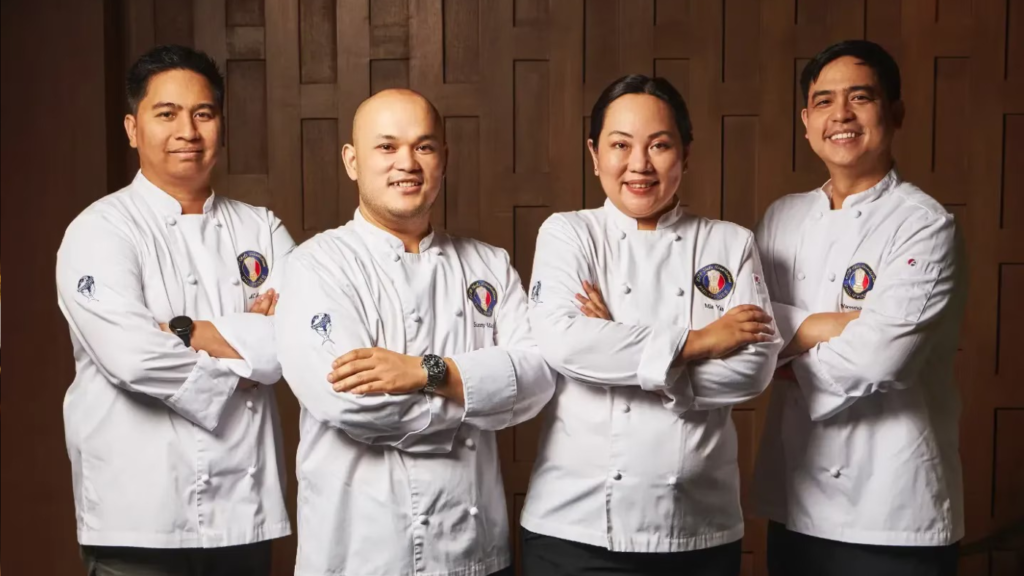


For a restaurant, earning a Michelin star can feel like reaching the top of the culinary world. The distinction can put a dining room on the international map, attract curious travelers, and turn a chef’s work into a sought-after experience. But once the celebrations settle, a new question emerges: what happens when the restaurant has to live up to the star?
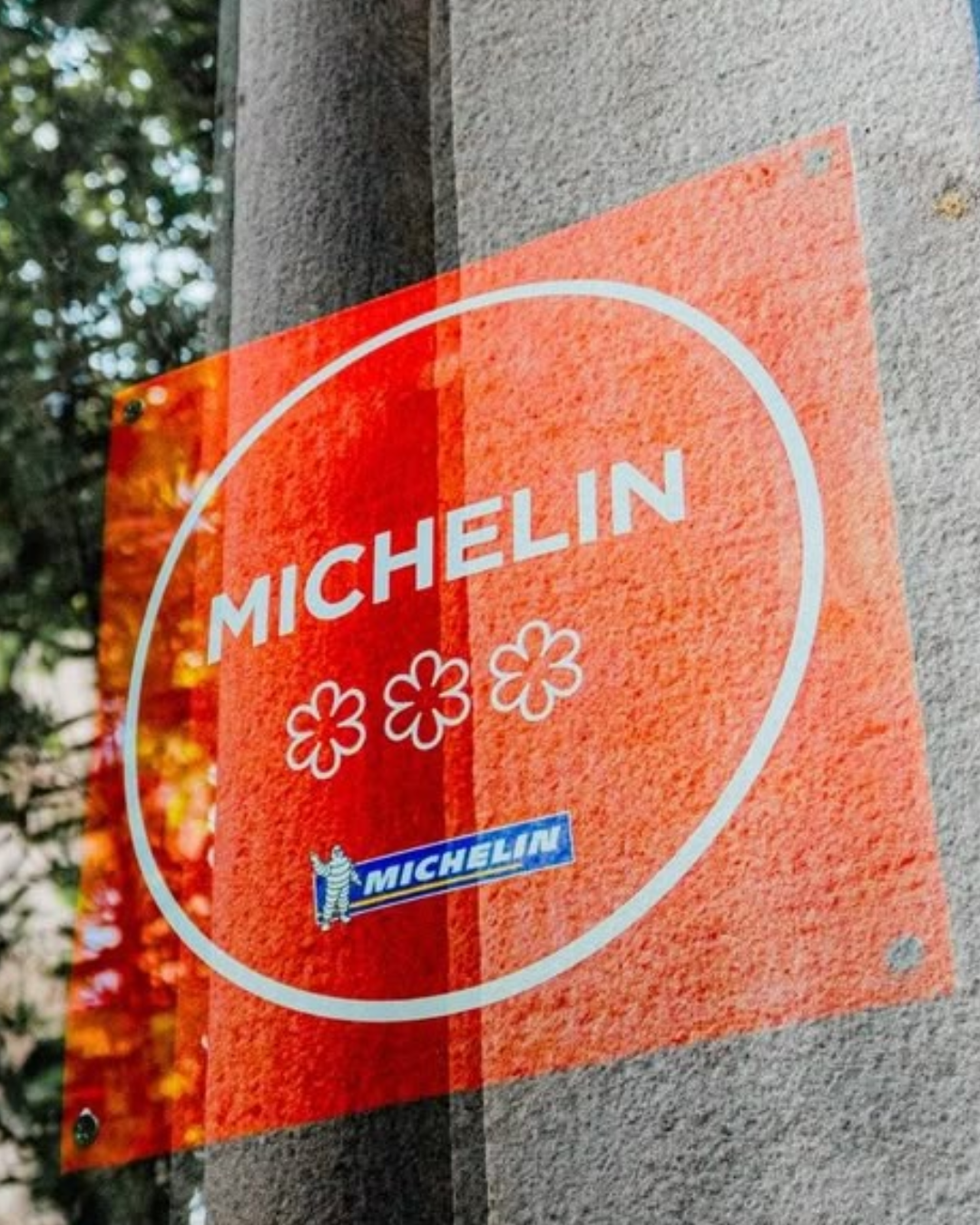
The Door-Opening Power of a Star
The appeal is easy to understand. Michelin recognition gives diners a trusted reference point and can introduce a restaurant to people who might never have discovered it otherwise. For chefs, it can affirm years of experimentation, discipline, and dedication. For the business, the attention may translate into more reservations, new customers, and a stronger reputation beyond its home city.
The distinction is based on the food itself. According to the Michelin Guide, inspectors assess ingredient quality, harmony of flavors, cooking techniques, the chef’s personality expressed through the cuisine, and consistency over time. Stars are awarded to restaurants rather than individual chefs, and establishments are reassessed annually. The guide’s system rewards not just a memorable meal, but the ability to deliver excellent cooking repeatedly.
That consistency, however, is also where the pressure begins.

When Recognition Becomes Responsibility
A star can change how diners approach a restaurant. Expectations may rise alongside its reputation, with guests arriving not simply for dinner but for an experience they believe should justify the distinction. Research published in the Strategic Management Journal, based on New York City restaurants, found that some restaurateurs described heightened customer expectations after receiving a star. The study also noted that the initial increase in sales could become less pronounced over time.
The added attention doesn’t automatically mean greater profits or an easier business. Restaurants still have to manage staffing, ingredient costs, service, and the everyday realities of keeping a kitchen running. Yet the star can make every detail feel more consequential, especially when retaining it depends on maintaining consistent standards.
For some chefs, that pressure is part of the pursuit. For others, it can prompt difficult questions about the kind of restaurant they want to run.
For others, it can prompt difficult questions about the kind of restaurant they want to run. In fact, some have made the surprising decision to walk away from Michelin recognition altogether.

Chefs Choosing to Walk Away from the Spotlight
In 2017, French chef Sébastien Bras asked the Michelin Guide to remove his three-star restaurant, Le Suquet, from its selection. After holding the distinction for 18 years, Bras wanted the freedom to cook without the constant pressure of wondering whether his dishes would satisfy inspectors. Michelin granted his request for its 2018 guide, making it one of the most notable cases of a chef voluntarily stepping away from the accolade.
Other restaurateurs have made similar decisions for different reasons. French chef Jérôme Brochot gave up his restaurant Le France’s one-star status after finding the cost of maintaining the standards increasingly difficult for the business. Meanwhile, Singapore-based chef André Chiang announced the closure of Restaurant André in 2018 and requested that it be removed from the guide.
These stories show that Michelin recognition doesn’t always have to be the ultimate goal. For some chefs, the freedom to rethink their restaurants, prioritize their teams, or return to a more personal approach to cooking can matter just as much as the prestige of a star.
Of course, these cases are the exception rather than the rule. For every chef or restaurant that chooses to step away from a Michelin star, there are countless others working toward earning one, seeing it as a meaningful recognition of their craft and dedication.
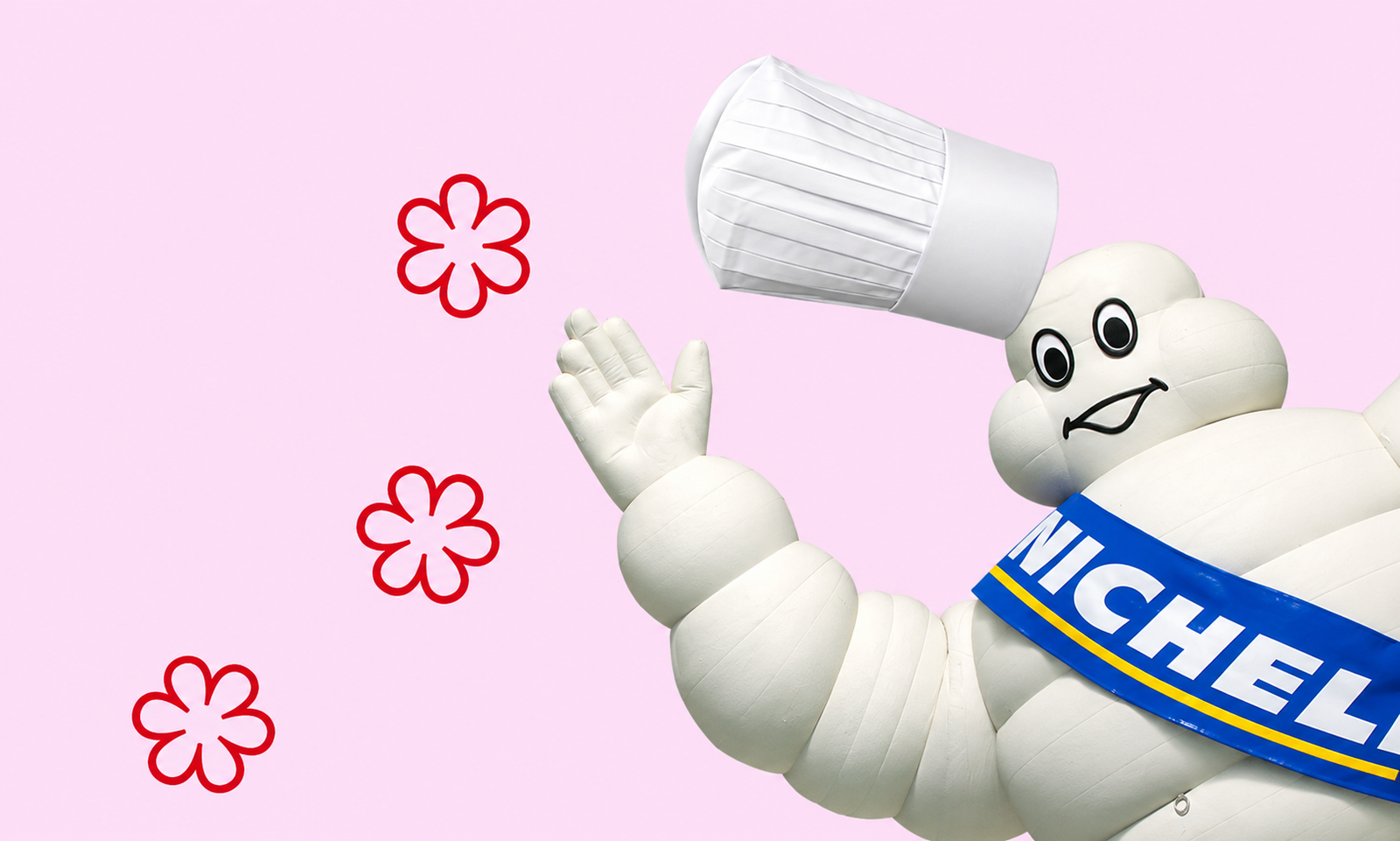
So, Is the Star Worth It?
There’s no universal answer. For one restaurant, a Michelin star may bring the visibility and momentum needed to grow. For another, the demands associated with maintaining it may conflict with its finances, working culture, or original vision. Losing a star, while potentially damaging to a restaurant’s reputation, doesn’t erase the skill or creativity that earned recognition in the first place.
Perhaps the real challenge is remembering what the star is meant to recognize: exceptional cooking. If chasing or protecting the distinction begins to overshadow the food, the people making it, or the guests enjoying it, the accolade risks becoming the main event.
A Michelin star can change everything, but it doesn’t have to define everything. Its value may ultimately depend on whether a restaurant can make room for the recognition without losing sight of why it opened its doors in the first place.

Alike was created to inspire, built on society and storytelling — from curating the best features of the country’s brightest luminaries and orchestrating events catered towards the country’s top, to showcasing the finest gems in art, lifestyle, and culture.
Alike is the next generation: the movers, the shakers of today.
We are Alike.