
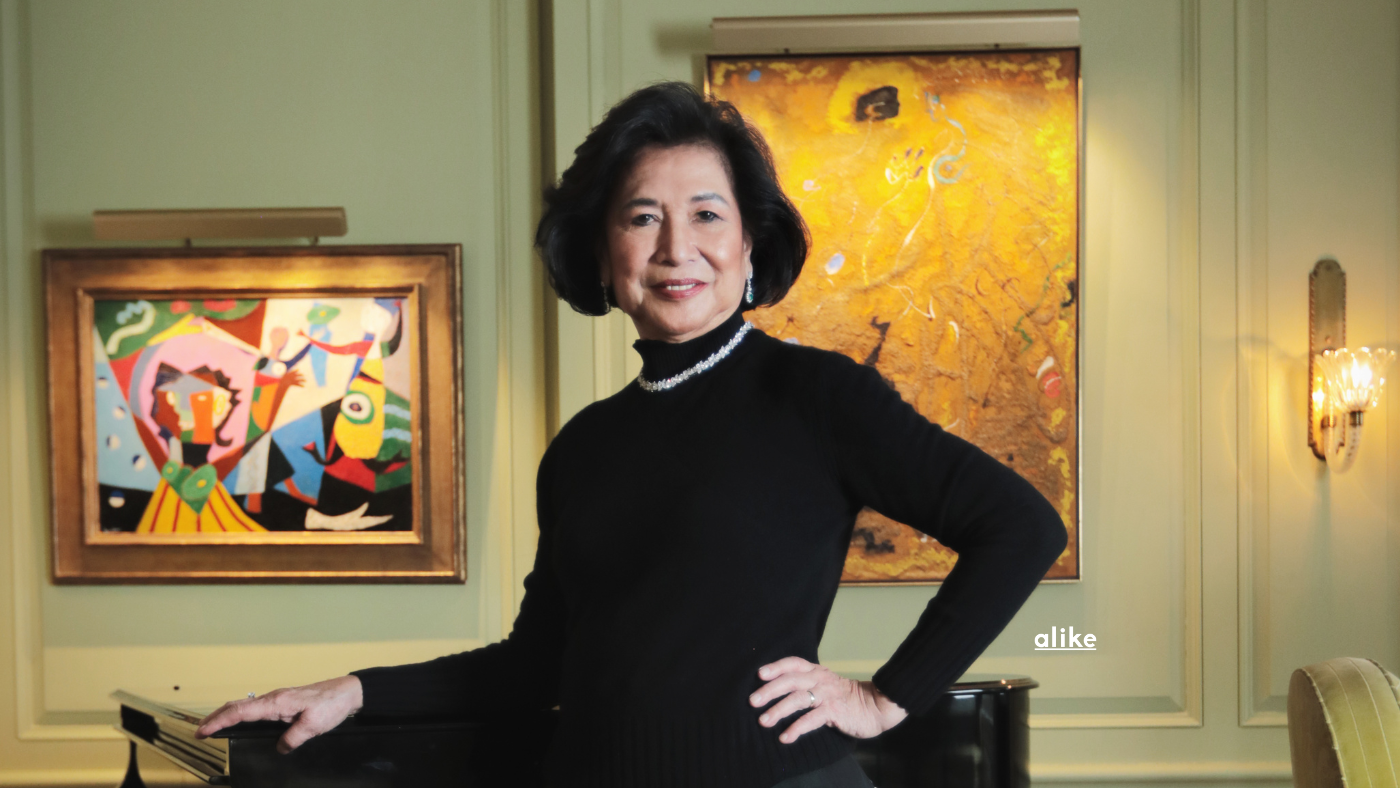
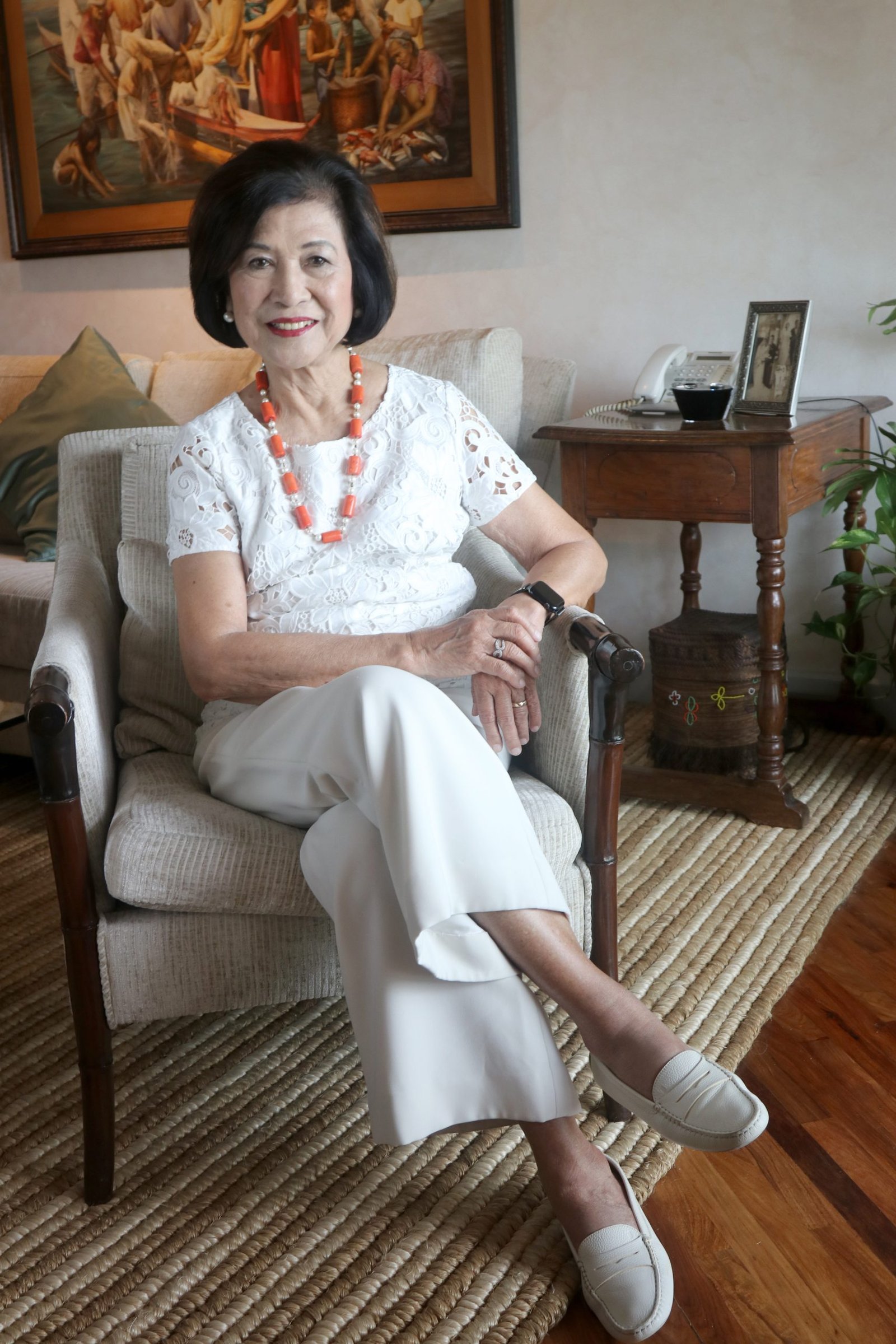
Loida Nicolas Lewis carries the quiet authority of a life fully-lived.
Lawyer, entrepreneur, immigrant advocate, and steward of a historic business legacy, her story spans continents and decades yet remains anchored in a simple belief: build bridges, never burn them.
And yet, no matter how busy her days become, they always start with stillness.
It’s still winter on the East Coast, 13 hours behind Manila Time, where summer now peeks around come noontime.
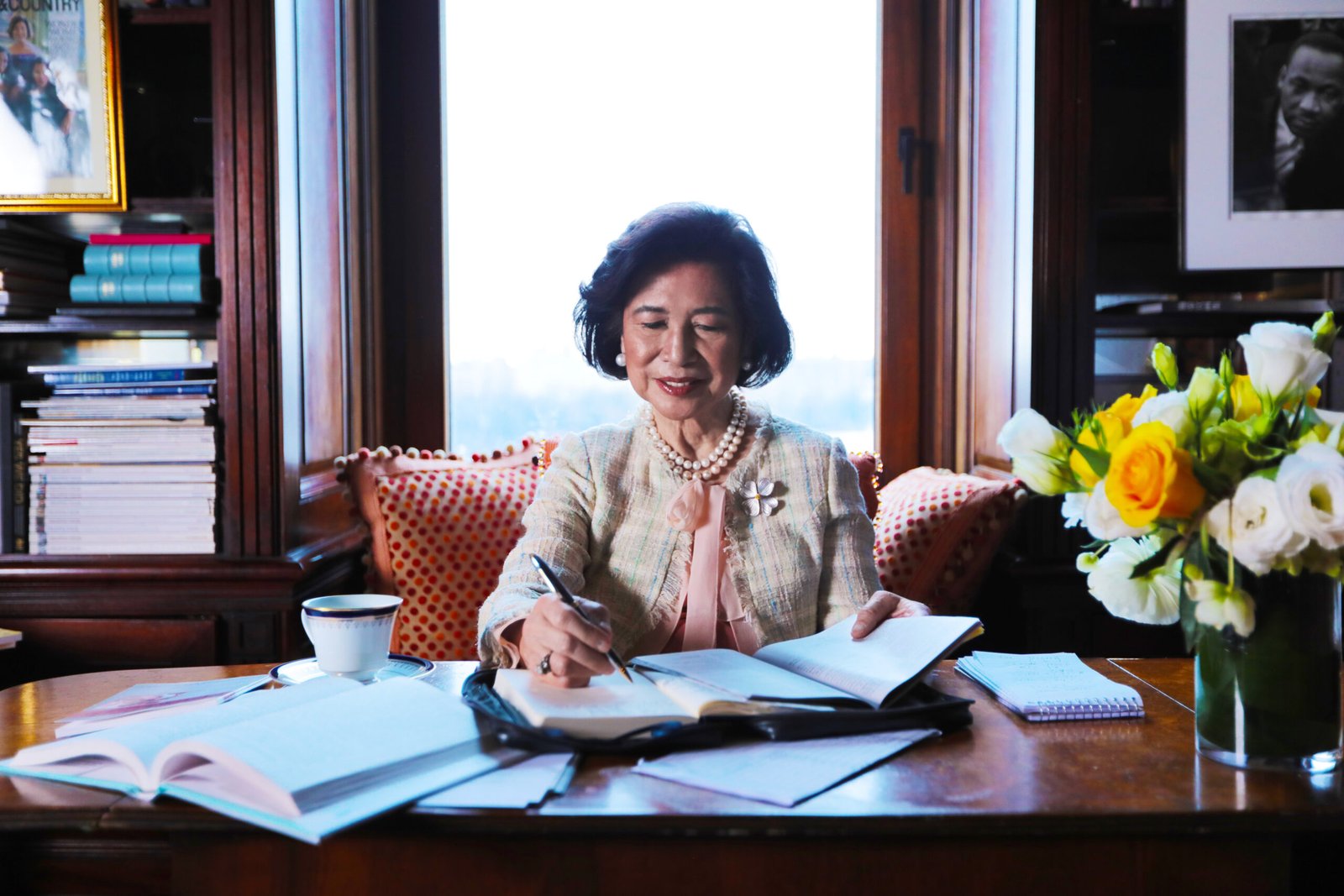
A snowstorm kept Loida home, and she used the time to catch up on her “journaling backlog,” a discipline she maintains daily. She also makes time each day to pray and practice Zen meditation, and if it’s Sunday, hear mass and take communion.
Even when in other time zones, and regardless of season, she maintains her morning routine. “You have these emotions all over the place, and after these practices, they’re sorted out,” is how she describes her practice.
.
.
The calm in the storm
Beyond her quiet composure lies a life shaped by conviction and consequence. Loida has spent a lifetime building bridges.
A lawyer by training, an immigrant advocate by conviction, and the steward of one of America’s most significant Black-owned business legacies, her practice developed over different periods of American history.
Yet for all the titles she carries, Loida remains disarmingly grounded — guided by a belief she often repeats: “Never burn bridges, because you may one day need to cross them again.” Born when the Philippines was still a U.S. colony, Loida carries a quiet, old-world elegance.
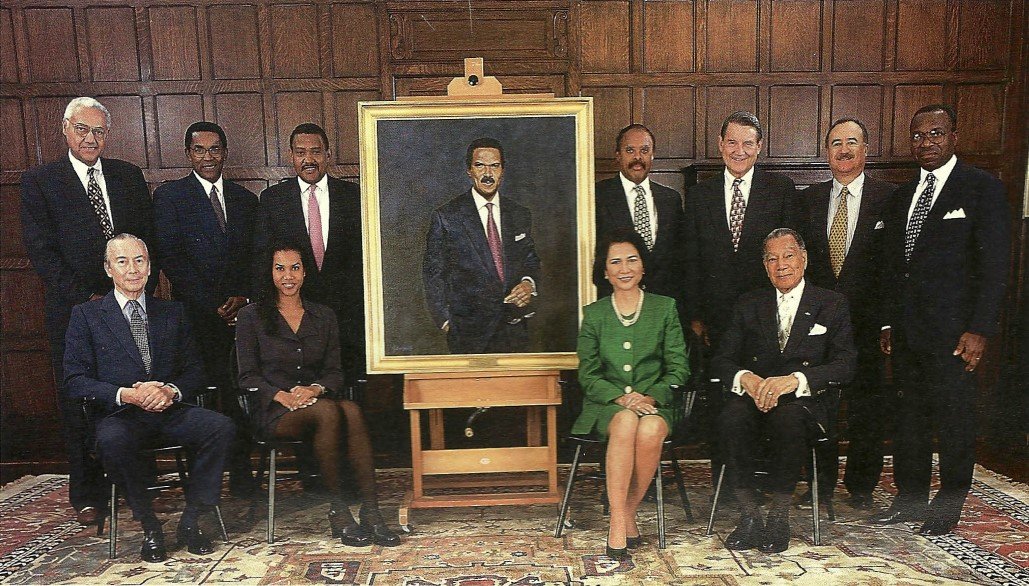
When her husband, Reginald Lewis — the visionary behind one of the first billion-dollar Black-owned companies in the United States — passed away, Loida stepped into a role few expected her to assume. She streamlined the business, scaled back its excesses, and eventually sold it at its peak, ensuring the legacy he built would endure.
.
.
But Loida’s life was never confined to boardrooms. Long before the world knew her as the widow of an industry titan, she had already begun carving her own path, one defined by advocacy, law, and an unwavering commitment to the immigrant communities she herself belongs to.
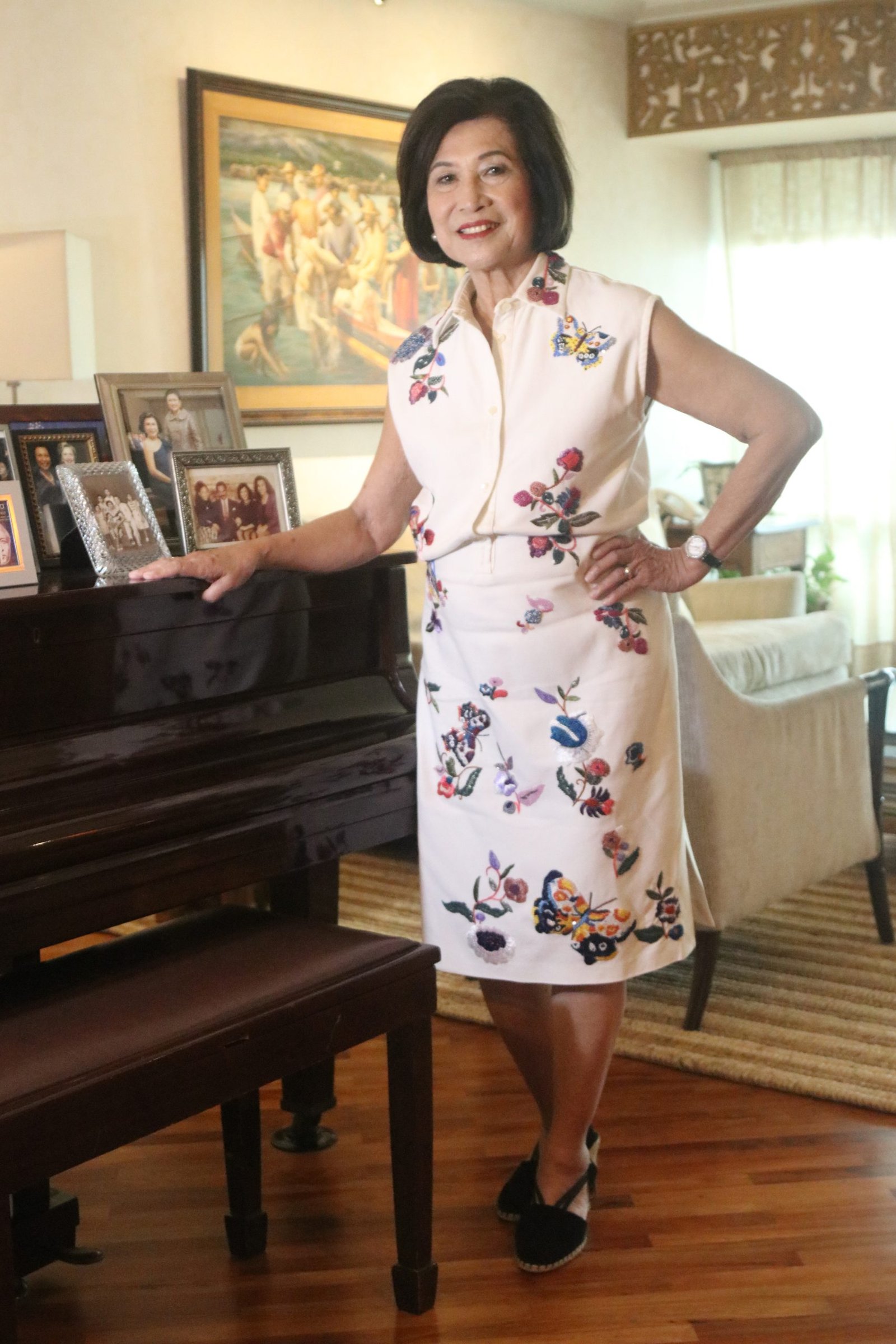
She graduated from the University of the Philippines’ College of Law, which made her eligible to take stateside bar exams. In 1974, without studying law in the US, Loida became the first Filipino and Asian woman to pass the New York State bar exam. “If you know you’re good,” she beams, “fight for it.” Her earliest work after taking her oath as a US attorney centered around Spanish Harlem.
In a world increasingly divided by politics and identity, Loida’s philosophy feels almost radical in its simplicity.
.
.
“Don’t burn bridges,” she says with a gentle smile. “You never know when you will have to cross that bridge.”
It is advice she has lived by. Years after suing the U.S. Immigration Service for discrimination, and winning, Loida would eventually work with the very institution she once challenged, continuing her advocacy for immigrant communities from within the system itself. It is little surprise that she later authored guides on green cards and immigrant life.
It’s been six decades of tireless work. As we talk, Loida often circles back to insights, bible verses, and anecdotes about two things: stillness and service.
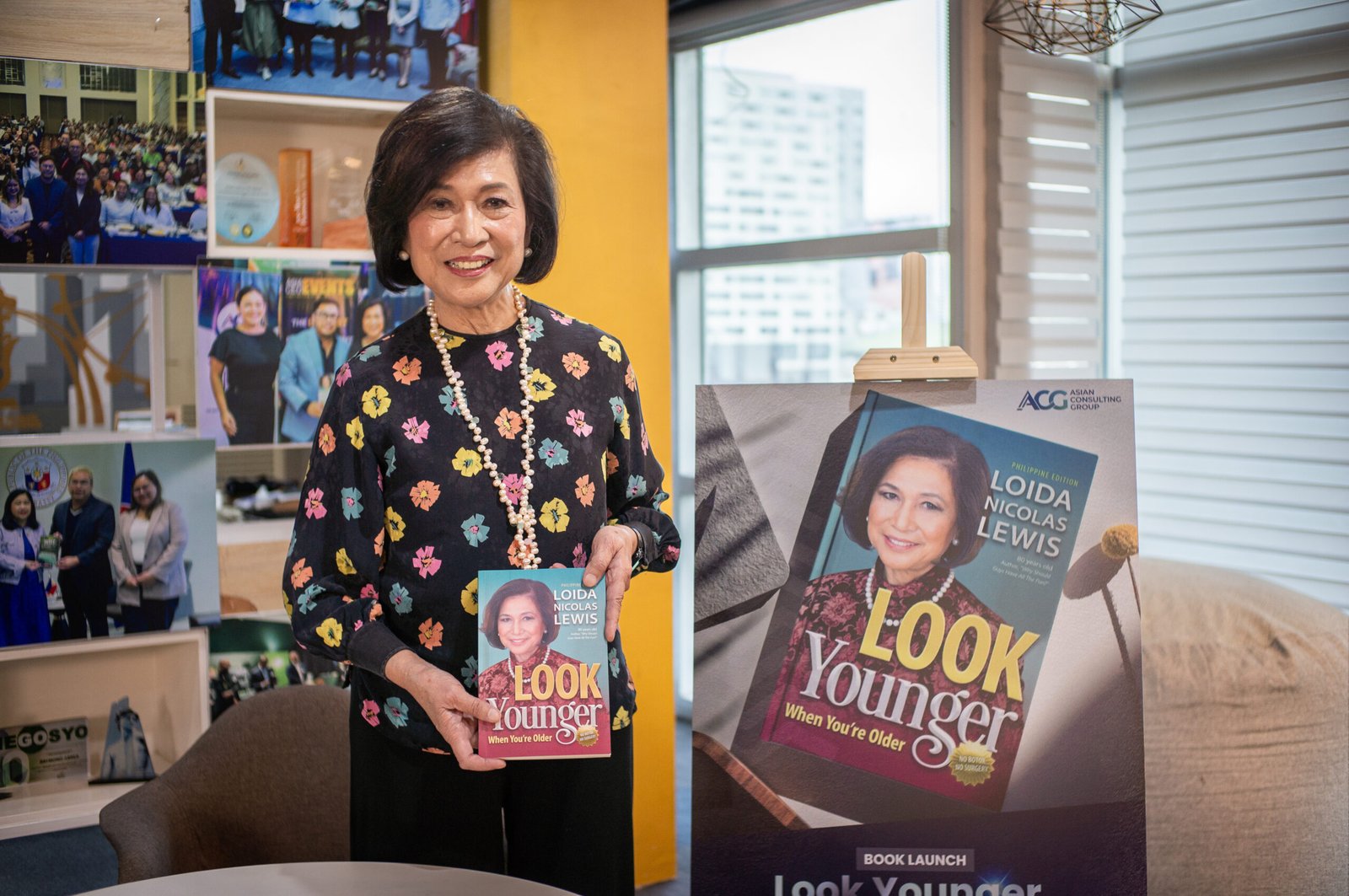
Loida also continues to write and publish, recently authoring Look Younger When You’re Older: No Botox, No Surgery, published by Anvil House in the Philippines. She also runs a podcast platforming younger advocates working on causes connected to hers.
.
.
Steady love
Loida recalls her husband’s temper spells, the result of daily experiences of “discrimination, or downright insult.” During those days, Martin Luther King, Jr. organizing the black community while civil and women’s rights and anti-war protests rocked the nation.
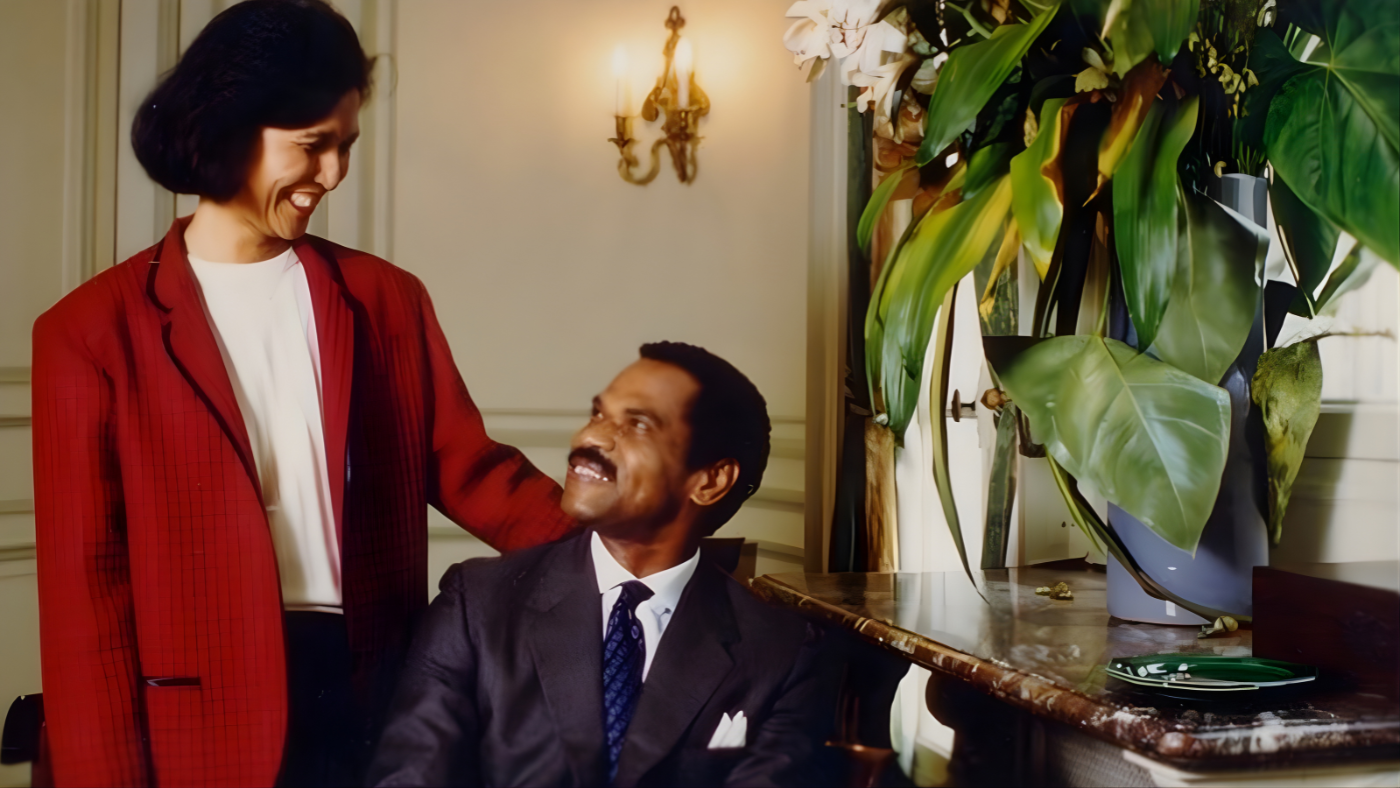
Nonetheless, Reginald was a driven man, “a genius,” as Loida puts it, and that’s what attracted her to him.
Their love survived because “we knew what roles to take in the relationship.” As her story illustrates, she is not lacking in drive and dreams for herself and others, and yet, she shares, her husband was even more intense than her.
Referencing American football and basketball, she believes that within couples, someone will always take the role of captain, someone will “be the CEO, so you might have to be the COO. You just have to know, and agree on, who each of you are. It’s about complementarity, not competition. You compete with the world, but never with each other, you’re a team, steering a ship.”
.
.
Paying it forward
The political climate in the US remains complex, and Loida and I discuss the irony of the current generation having to fight battles her and her husband’s generation already fought – and largely won.
I ask what’s in the pipeline. With single-minded conviction, she shares that her main focus now is on ensuring that the United States recognizes children born from military deployments in the Philippines, especially as more defense cooperation bases are being built in light of geopolitical events.
In our video conference, Lora Lewis, managing the call from the start, respectfully, but also enthusiastically chimes in, not just Loida’s niece and production manager, but also her eager agent. “All right, the floor is yours,” Loida laughs, and Lora tells that Look Younger When You’re Older will have an international version in mid-2026.
.
.
Their dynamic is unforced. Even through the screen, the warmth is unmistakable. Despite the scale of her professional life, Loida has always guarded the quieter rhythms of family. Recitals, school events, football games, she made it a point to be present.
It is this balance that those around her often remember most: A woman capable of commanding boardrooms and courtrooms, yet equally committed to the everyday moments that anchor a life.
Late in the evening, speaking from her home in New York, Loida reflects on the words of Martin Luther King Jr. “The arc of the moral universe bends toward justice,” she says softly.
For Lewis, that arc has never been abstract. It has been lived through courtrooms, communities, boardrooms, and generations. And after decades of advocacy work and legal practice, she continues to believe the same thing she did when she first arrived in America: that the work of justice is never finished, only carried forward.
.
.

Alike was created to inspire, built on society and storytelling — it’s curating the best features of the country’s brightest luminaries, orchestrating events catered towards the country’s top, to showcasing the finest gems in art, lifestyle, and culture.
Alike is the next generation, the movers, the shakers of today.
We are Alike.