

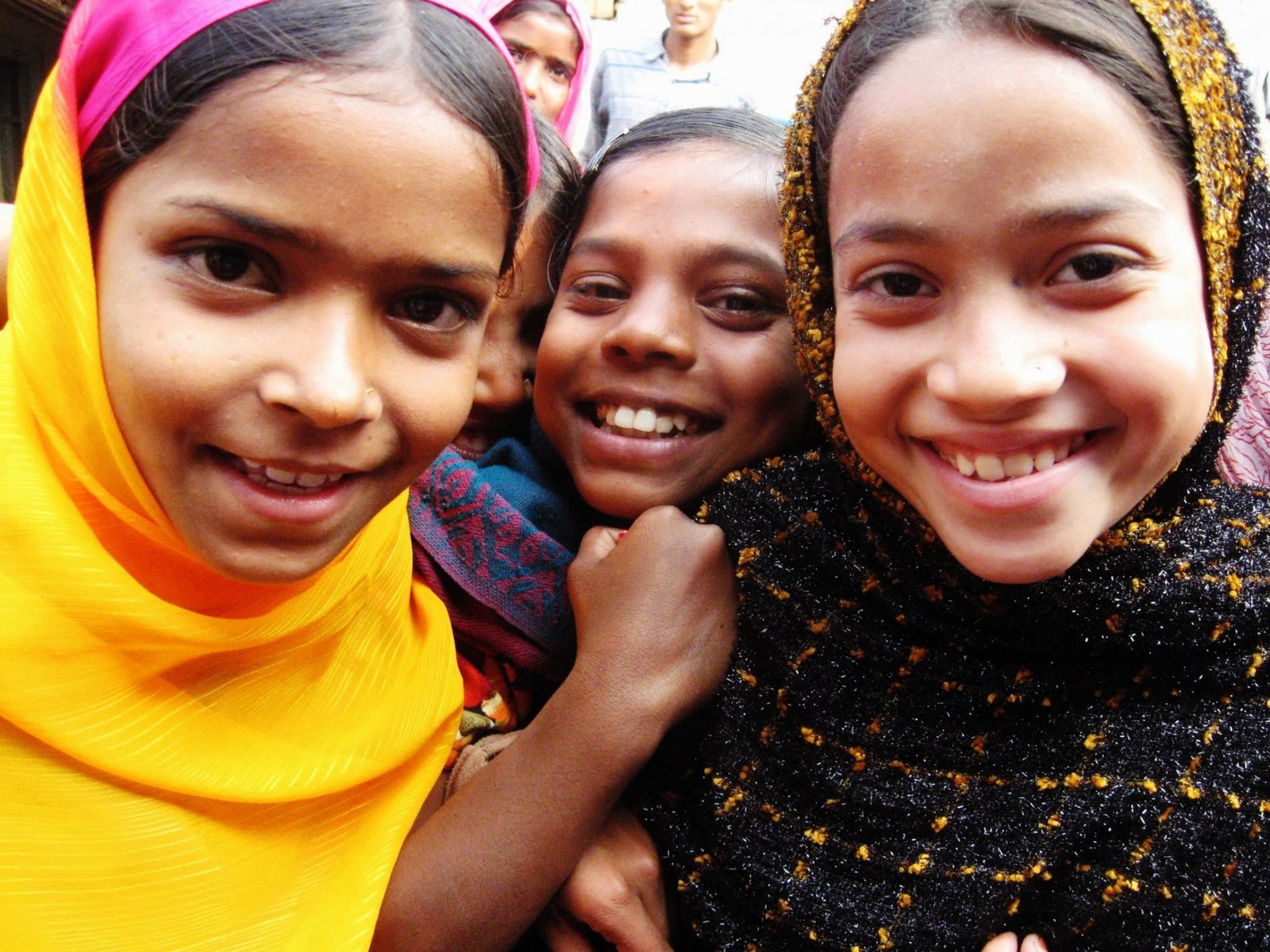
Last October, India’s Supreme Court ruled that sex with an underaged wife is to be considered as rape. Campaigners of the new ruling hailed the landmark verdict as a triumph that could affect the lives of millions of girls.
Child marriage is deeply rooted in India. According to UNICEF India, 57% of Indian girls were married by the age of 18 in 1992-1993, making the country possess one of the highest numbers of child brides in the world. Over the last decade, India experienced a massive decline in child marriage rates, going from more than 50% to 27%. However, despite this drop, more than five million girls were still married before the age of 18.
Marital rape, which is rape committed by a person to whom the victim is married to, is not recognized as a crime in India. However, sex with a child under 18 is “considered as rape,” and is therefore illegal. Under this new verdict, girls who are raped by their husbands can bring charges within a year of the offense. According to the Indian Express, the ruling overturned a previous clause allowing men to have intercourse with his child bride as long as she was over 15 years old.
Despite 18 being the age of consent and child marriage being illegal, the practice still persists in many parts of the country. Typically, girls in India are seen as an economic burden so marriage transfers the responsibility to the new husband. Many communities in India restrict the roles of girls to daughter, wife, and mother, and they are seen as the property of either their father or their husband.
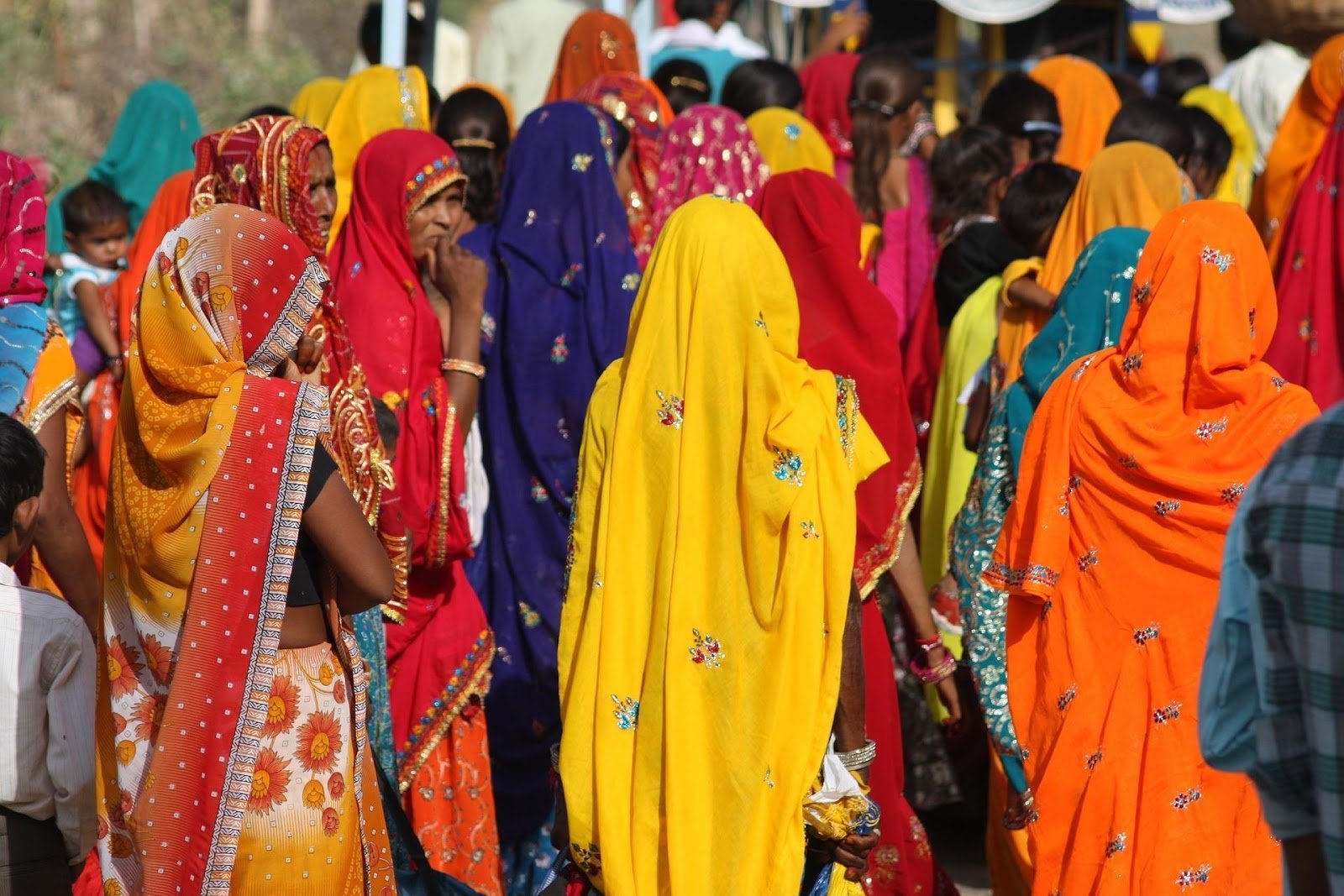
Early marriage minimizes the dishonor girls typically experience with inappropriate sexual conduct such as premarital sex or public displays of affection . Often times, arranged marriages are settled when the girl hits puberty. Yet despite the Supreme Court’s decision, the fight is not over. Some would even argue that the ruling is but a small step that garners only minimal impact.
According to UNICEF, many concerns were raised regarding the difficulty in enforcing the new provision, especially in India’s conservative rural areas. Here, child marriages are more prevalent due to poverty, low education, and patriarchal social values, all coupled with weak law enforcement.
Courts and the police cannot simply monitor peoples’ bedrooms. Additionally, girls are often married with the consent of their parents and many of them do not have the courage to file a case against their husbands.
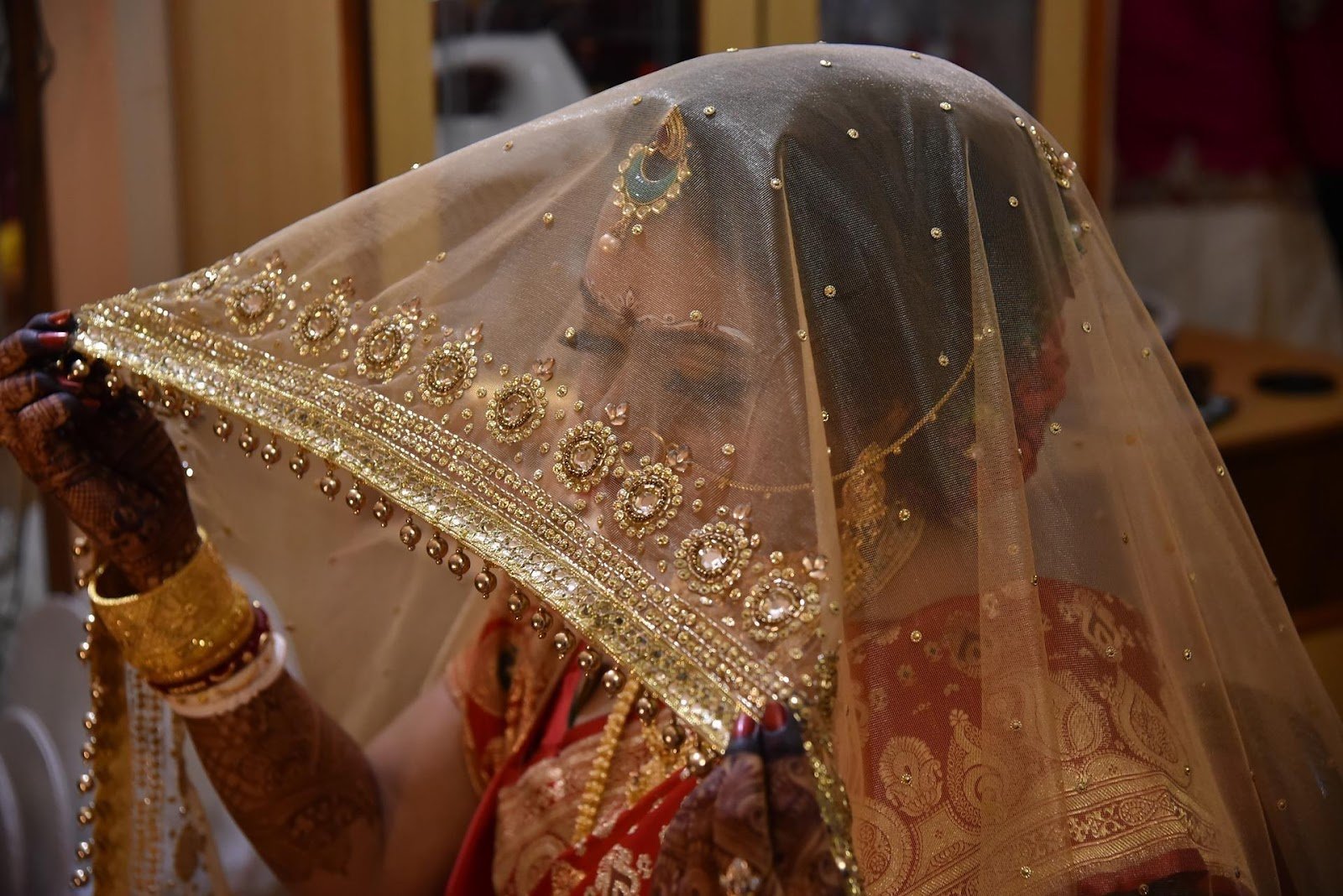
Surprisingly, child marriage seems to be an issue overlooked in the Philippines. According to the 2013 National Demographic and Health Survey (DHS), 15% of children before 18 were married, while 2% were married before they were 15 years old.
Similar to India, many of these marriages happened in poor, rural areas where one or both partners were underage. A recent report by Save the Children showed that Filipino girls are “at least seven times more likely to be married if they are poor than if they come from the richest families.” In addition, countries need to deal with other issues associated with child marriage such as the consequences of early childbirth and school dropouts.

The health of girls are at risk as early pregnancies expose them to life-threatening scenarios such as malnourishment. According to the latest national nutrition survey of the Food and Nutrition Research Institute (FNRI), one in every 3 Filipino mothers aged 20 years old and below is more nutritionally-at-risk. According to an article published in the US National Library of Medicine National Institutes of Health by Monroy De Velasco. “Pregnant women under 20 are at a greater risk for death and disease including bleeding during pregnancy, toxemia, hemorrhage, prolonged and difficult labor, severe anemia, and disability.” Their babies also become at risk due to a mother’s lack of proper nutrients in the body.
According to Dr. Tanjina Mirza of Plan International Canada, “When a 15-year-old girl gets married and has a child, it is most likely that a lot of opportunities are killed.” Social activists have been campaigning to prevent child marriages through proper education and economic empowerment. Higher educational attainment can lead to higher expected lifetime earnings. When girls are given the same opportunity to thrive as boys, its effects are exponential. Girls are able to complete their education and earn a living.
The causes and impacts of child marriage are complex, often involving issues that have run through generations of traditions and culture. Community norms and discriminatory stereotypes that lead to human rights violations need to be addressed. Even though some Indian communities seem to be set in its ways, change is necessary and possible as norms can shift over time.
While the Indian justice system has taken a major step to the right direction, there is a lot more to do to dismantle the prevalence of violence against women and girls and the consequences attached to child marriage. For the Philippines, giving better life opportunities to girls will be integral in helping end the cycle of poverty most families have grown accustomed to. Truly, the fight continues for girls worldwide to lead empowered lives and to achieve their full potential in a healthy and enabling environment. Child marriage is happening closer to home than we think. When will these girls have the right to choose a life they want for themselves?