
Art rarely begins in the same place.
For some, it starts with childhood sketches and coloring books. For others, it waits patiently through years spent building a different career. And sometimes, it emerges through a chance encounter with someone who simply believes in what you are capable of becoming.
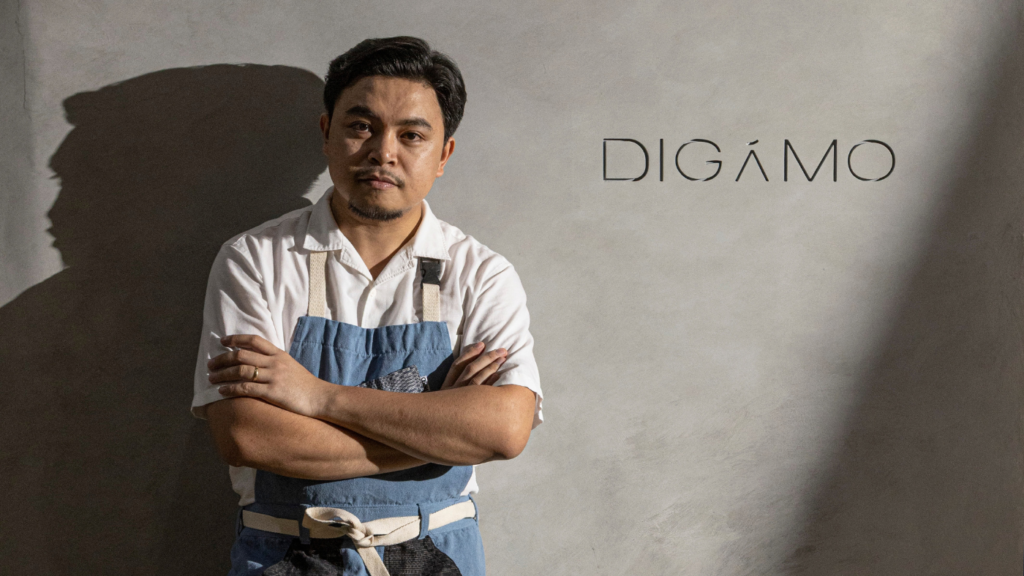
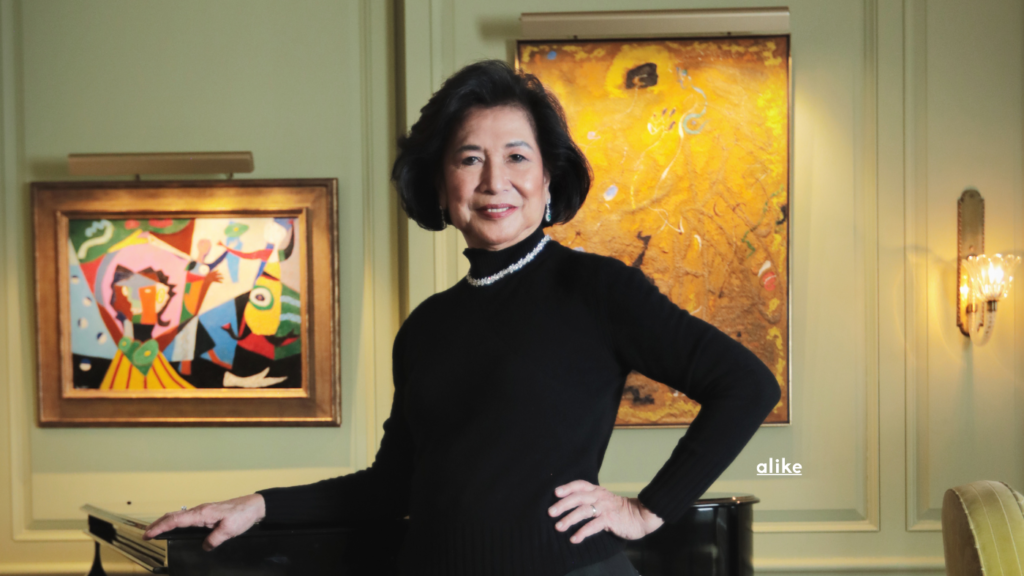
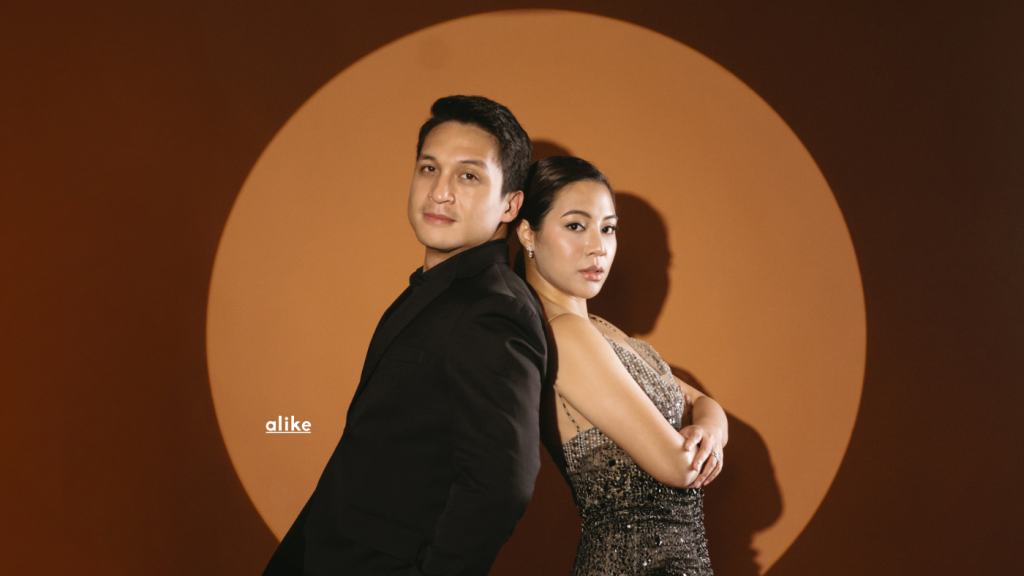
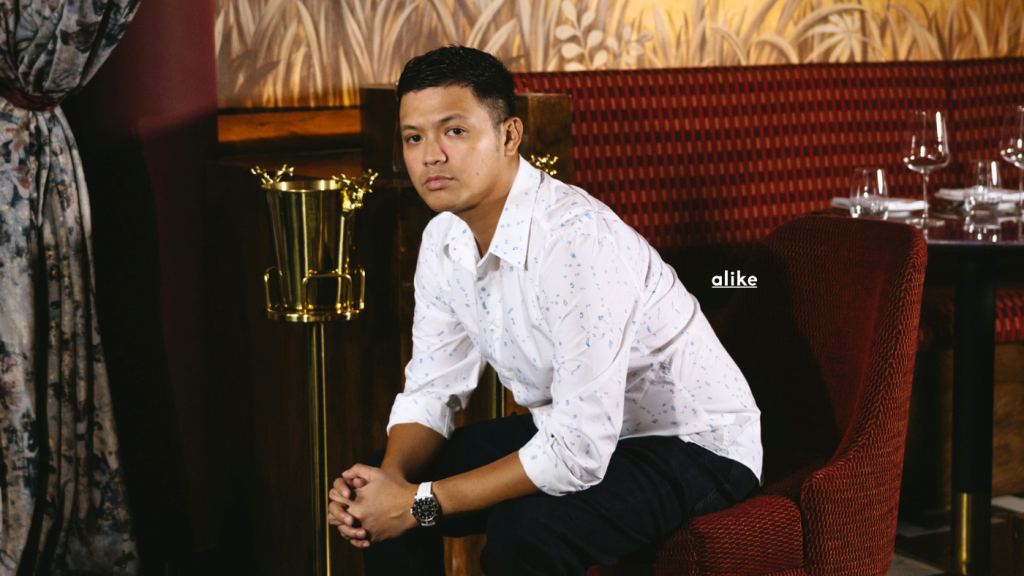
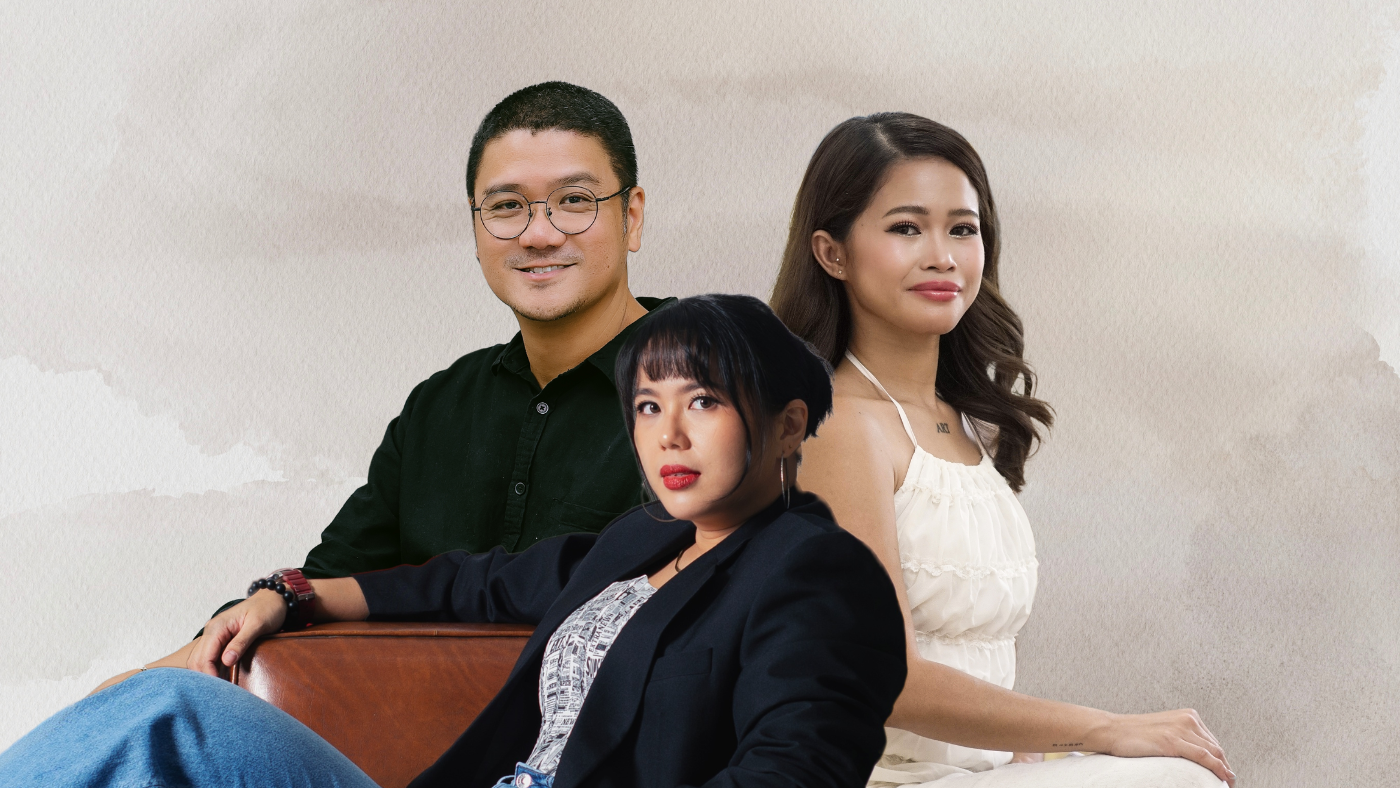
For visual artist Kimmy Mamaril also known as Keem, contemporary abstract and sculptural artist Eli Reyes, and self-taught artist Allen Sanchez, becoming an artist was not defined by a single moment. It was shaped by curiosity, persistence, personal experiences, and the courage to keep creating, even when the path ahead was uncertain.
Their mediums and visual languages may be distinctly different, but together, their stories reveal something universal about the act of becoming an artist: sometimes, the creative voice we are searching for has been quietly forming within us all along.
Keem Mamaril: The Courage to Look Beneath the Surface
For Keem Mamaril, the fascination with art began long before she ever called herself an artist.
As a child, she loved anything visual. She remembers spending hours with coloring books and drawing characters from storybooks, game cards, and manga. She joined art contests whenever she could and was constantly fascinated by the possibilities of what she could create with her own hands.
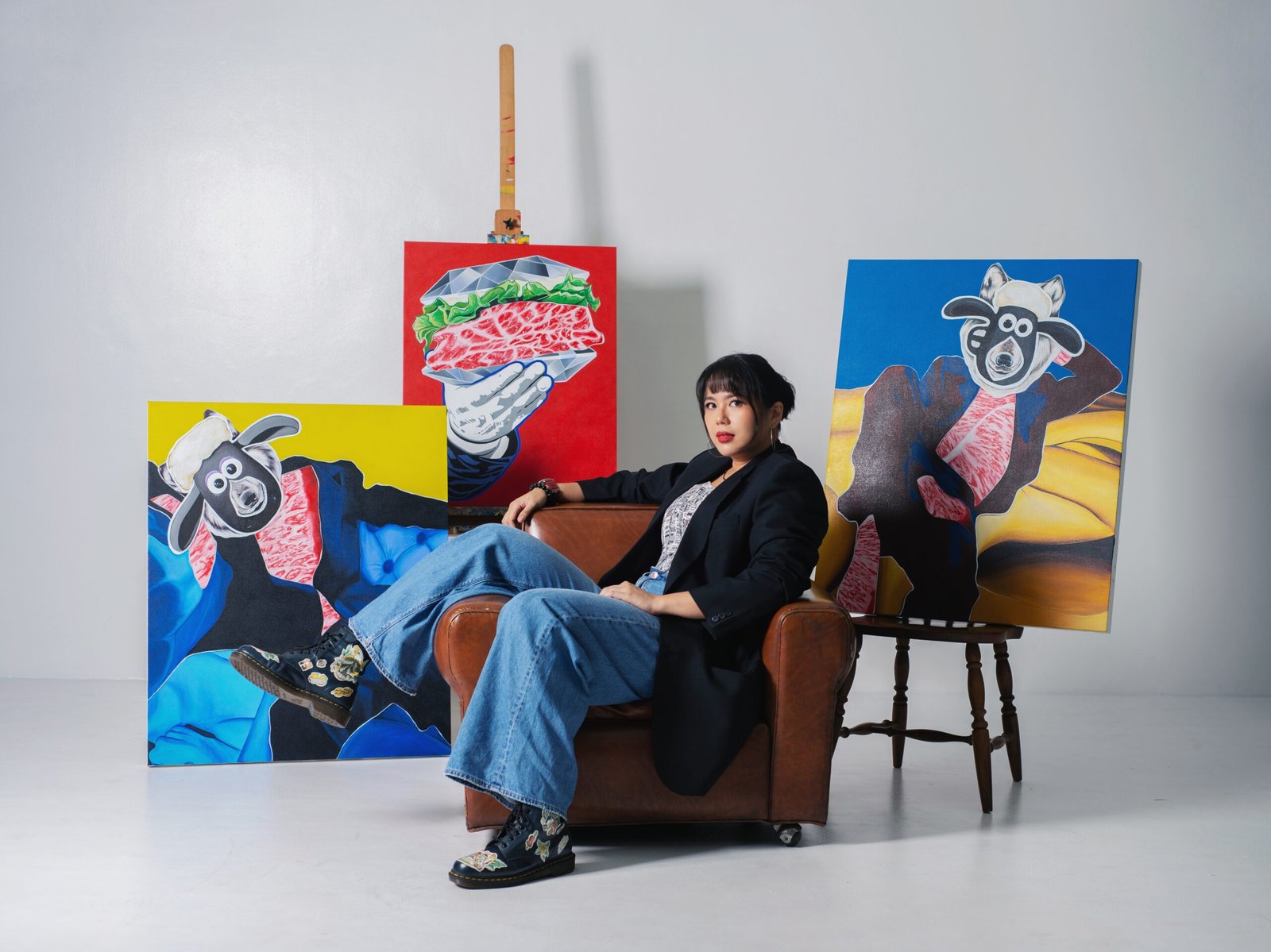
Even the Sunday newspaper became part of that early fascination. While most people might have been interested in the news, Keem remembers looking forward to the comics section. Growing up around magazines and advertisements introduced her to the power of visual storytelling, fascinating her with how a single image could make someone stop, linger on a page, and feel something.
That fascination eventually led her to pursue Fine Arts with a major in Advertising Arts and build a career in the advertising industry. But it was a visit to ManilaArt in 2017 that shifted something within her. Surrounded by works from artists, she found herself thinking, “I can do that, too.”
Sometimes, that is where things begin.
Not necessarily with complete confidence or a perfectly planned future, but with the realization that perhaps you are capable of more than you have allowed yourself to believe.
From then on, Keem began building her own body of work while continuing her career in advertising. Over the years, the two worlds naturally began to influence one another.
Her experience in advertising shaped the way she understood images, symbolism, consumer psychology, and visual storytelling. Eventually, these ideas found their way into her paintings.
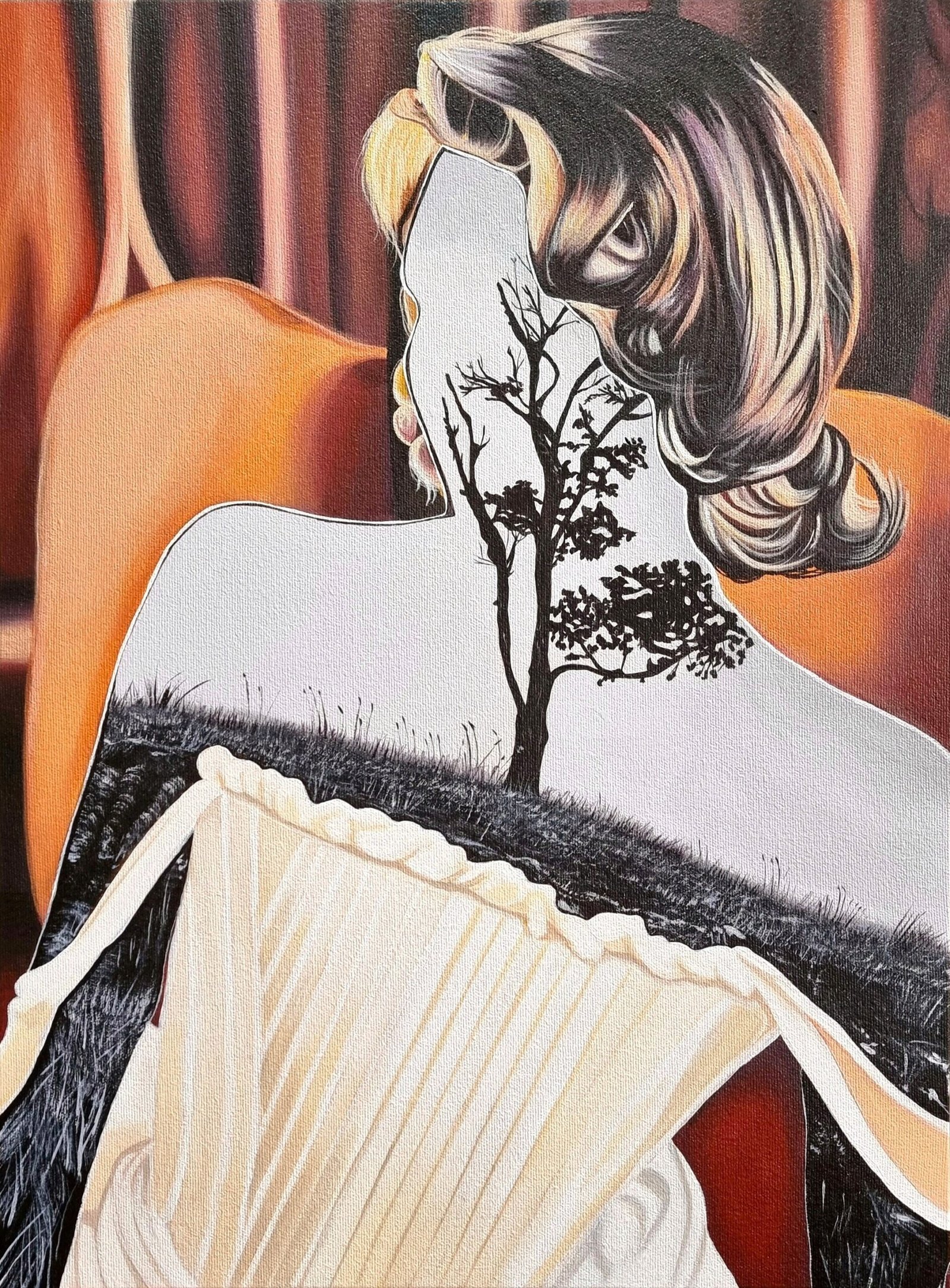
Today, Keem’s works often explore identity, emotion, faith, psychology, and the inner lives people do not always reveal to others.
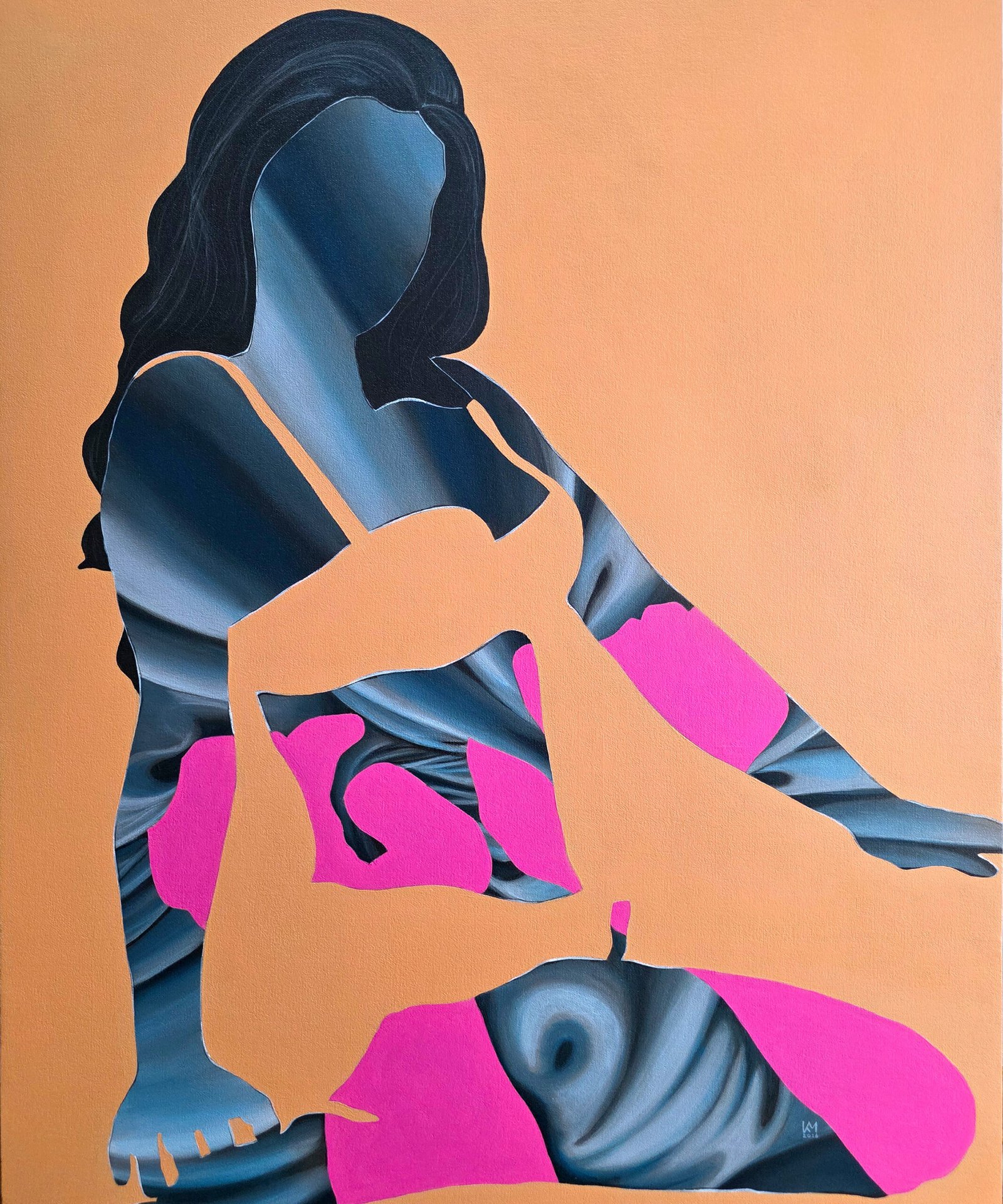
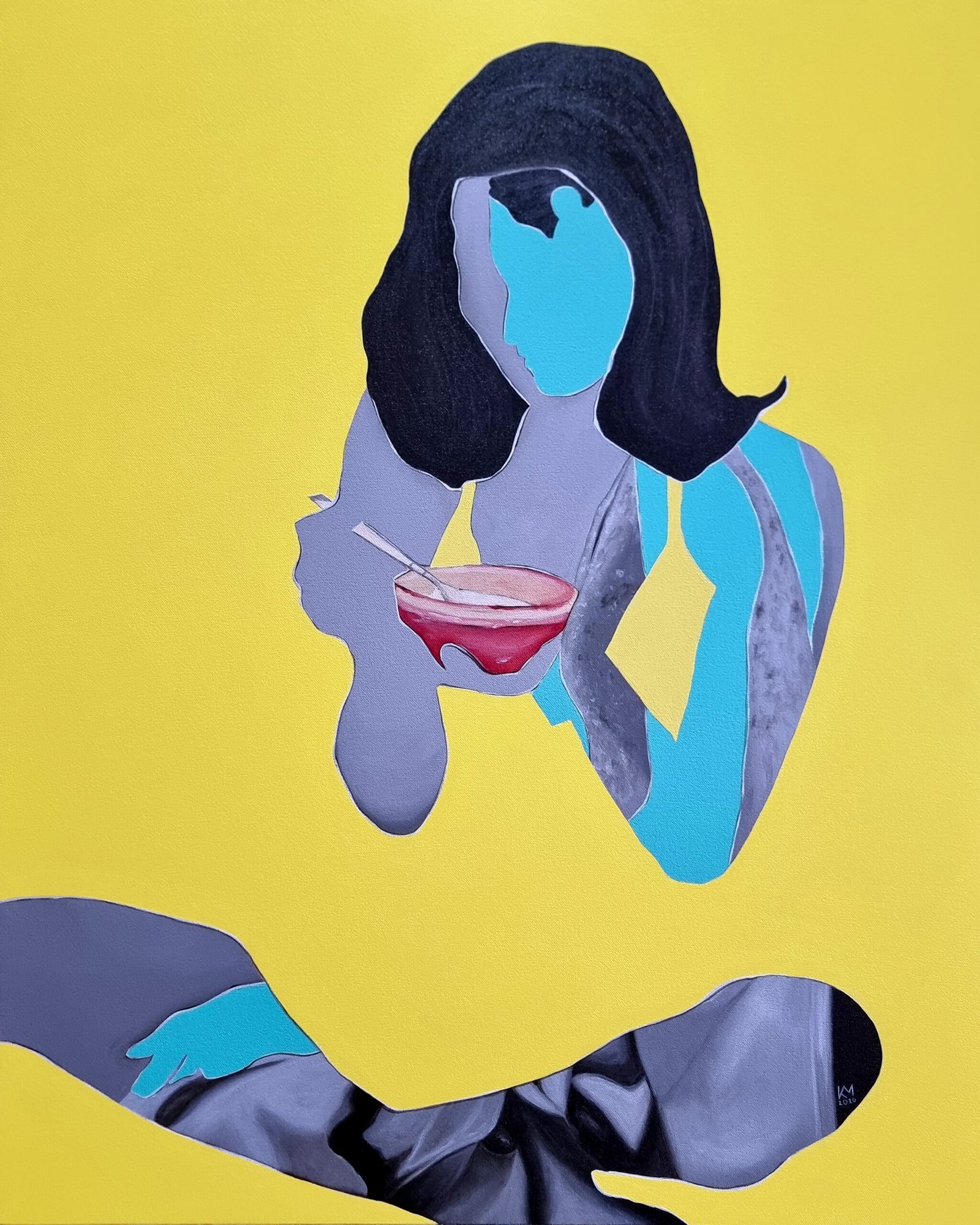
Using silhouetted figures, fragmented spaces, saturated colors, and layered imagery, she creates internal landscapes that explore identity, emotion, spirituality, psychology, and the invisible pressures people carry.
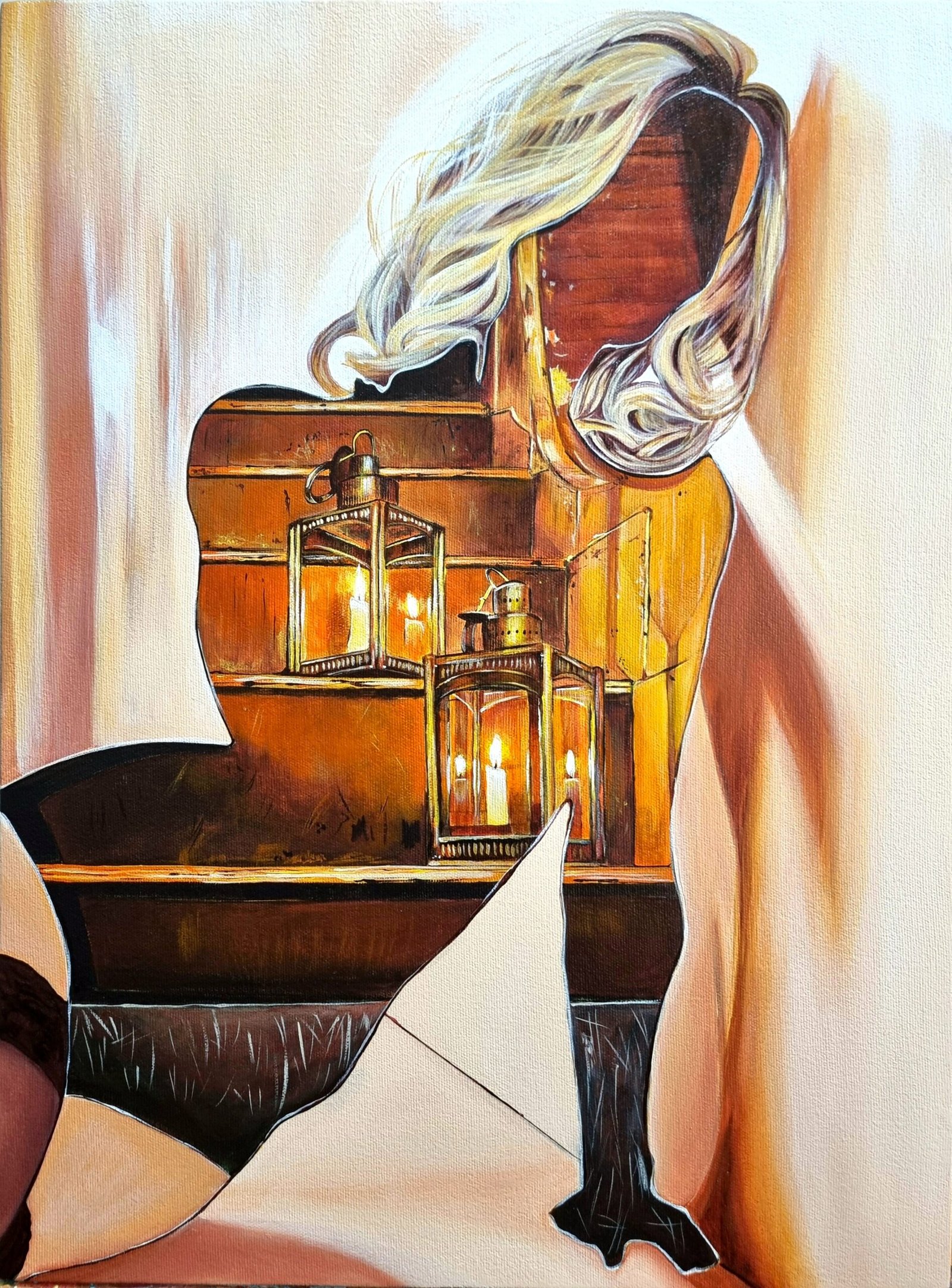
Her process itself mirrors this search for deeper meaning. Keem begins with questions, researching ideas through psychology, theology, consumer behavior, science, and faith before building collage studies from fragmented magazine images.
Her work does not simply ask viewers to look. It asks them to look again.
“I’m less interested in giving answers,” she says. “I hope every finished work invites another question.”
That inquisitive nature is perhaps what makes her work distinct. In a world filled with carefully curated images, Keem is interested in what exists beneath the surface: the emotions, doubts, hopes, and experiences that are rarely visible at first glance.
Eli Reyes: Returning to What Has Always Been There
For Eli Reyes, becoming an artist meant returning to something that had always been part of her.
Born and raised in Cavite, Eli loved creating from an early age. But with limited resources, pursuing formal art education was not possible. Instead, she earned a degree in Business Administration and built a career in the corporate world. But still, art remained.
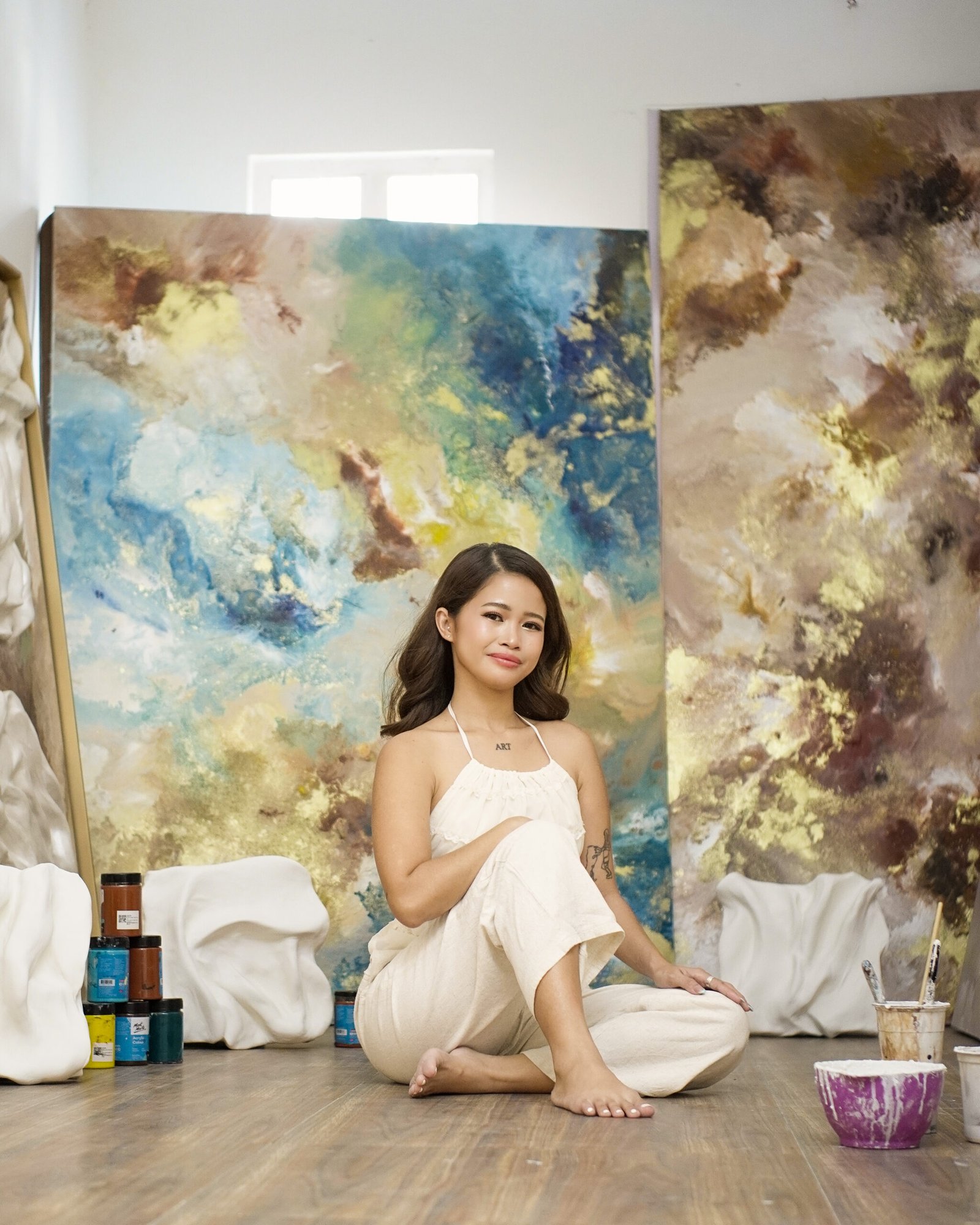
In 2021, she began sharing her work online and gradually found her way back to the canvas. For four years, she balanced her corporate career with her growing art practice, creating whenever she could. In 2025, she finally made the decision to pursue art full-time.
“It did not feel like a career change,” she says. “It felt like returning to something that had always been waiting for me.”
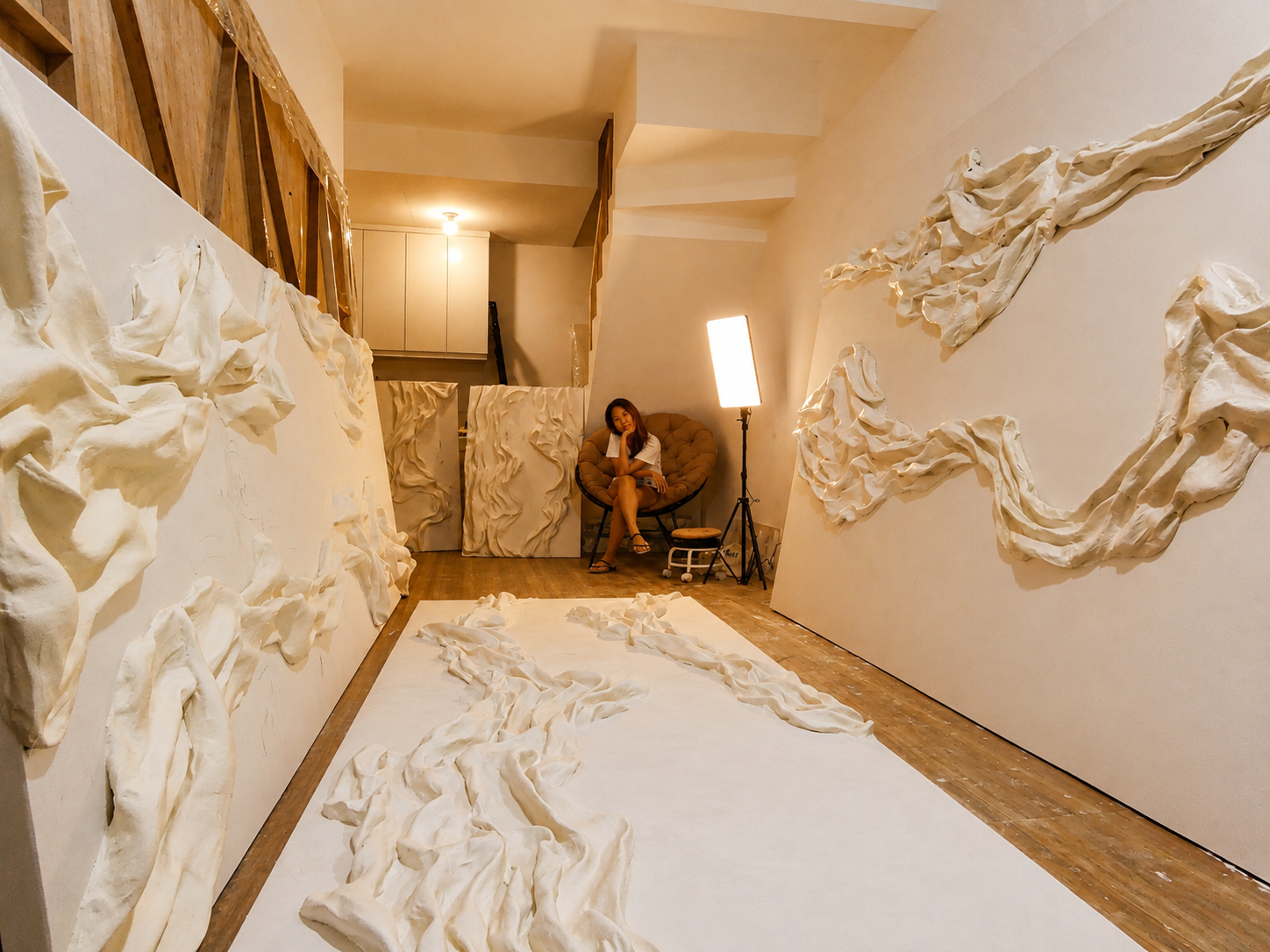
Eli’s work has evolved from sunsets, landscapes, and pet portraits into contemporary textural abstraction with sculptural elements. Her practice now moves between painting and dimension, using texture, movement, balance, and vibrant forms to create works that feel both visual and physical.
At the heart of her work are memory and emotion.
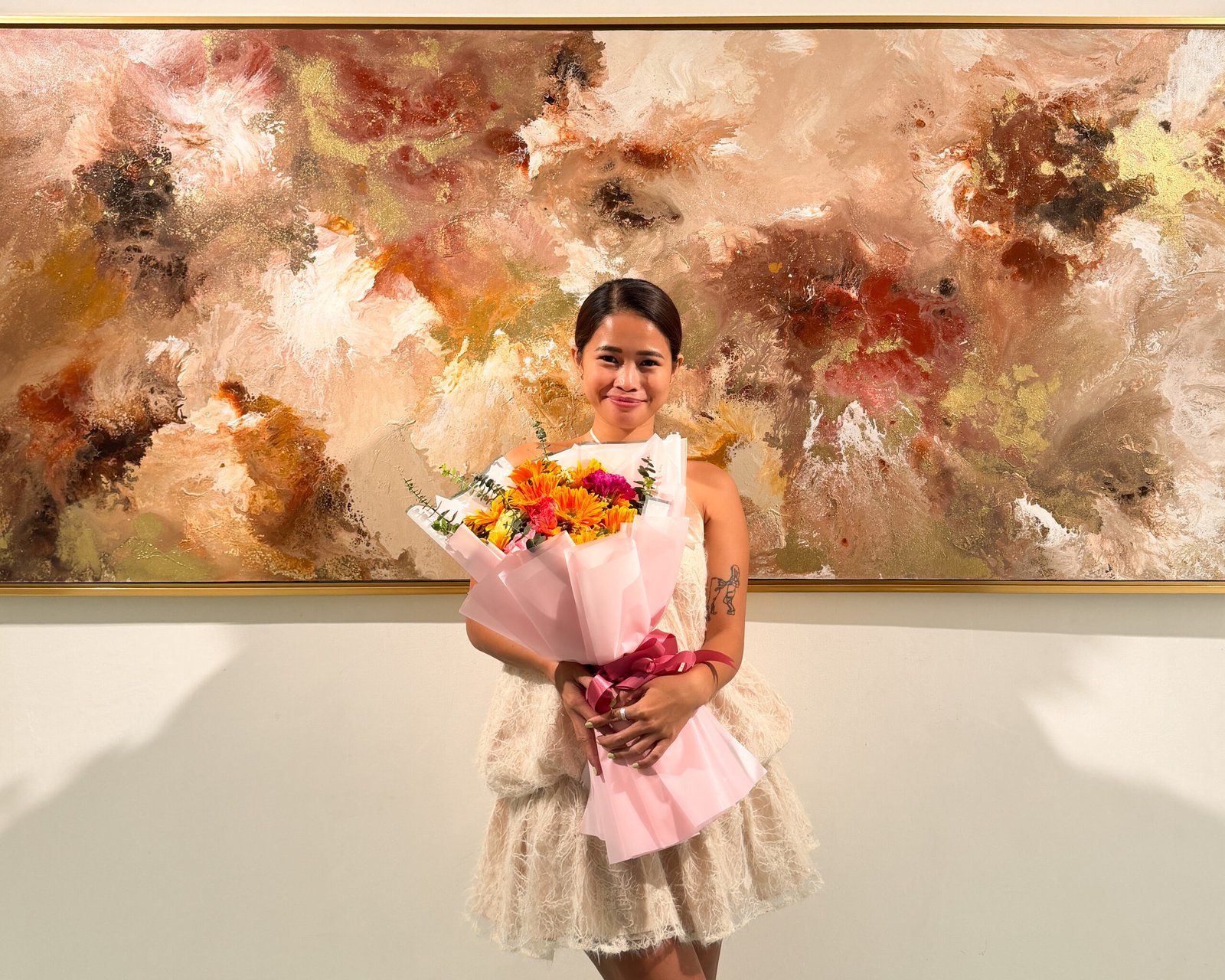
Inspired by nature and fleeting experiences: the colors of a sunset, the stillness of the sea, or the atmosphere of a place, Eli transforms moments into textured spaces for reflection and quiet wonder.
Her approach to art is deeply personal. When large commissions leave little room for experimentation, she returns to smaller works as a space for play, exploration, and self-conversation, allowing herself time to live with each piece before eventually letting it go.
Beyond being an artist, Eli is also a mother — a role that has shaped both her creativity and the life she wants to build. Choosing to pursue art full-time was not simply about following her passion, but about creating a life that allowed her to be present for her daughter during some of her most important years.
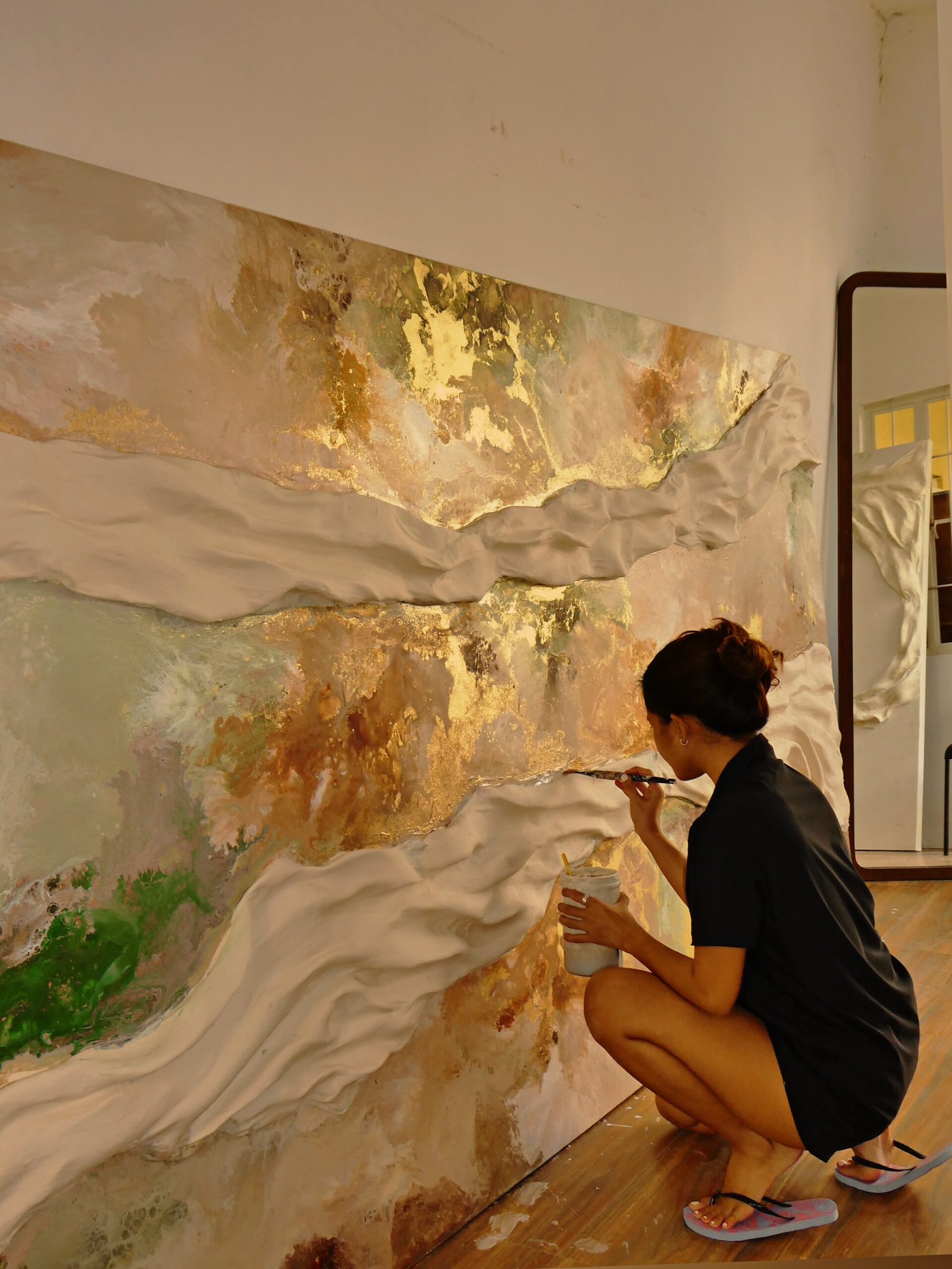
Her story shows that success can look different for everyone.
Sometimes, pursuing what you love is not just about building a career. It is also about building a life that feels more aligned with who you are and what matters to you.
And sometimes, the biggest step forward is simply giving yourself permission to return to the things that make you feel most alive.
Allen V. Sanchez: Trusting That Things Will Come Together
Allen Sanchez began with the simplest of artistic impulses: a love for sketching.
As a child, he worked with sketches and watercolors and regularly joined poster-making competitions. But his entrance into the professional art scene came much later.
In 2020, Allen met a Singaporean artist-curator who encouraged him to continue pursuing his work, opening the door to his first solo exhibition in Singapore. But just as he was beginning to find his place in the Singapore art scene, the pandemic brought borders and exhibitions to a standstill, leading Allen to step away from creating for nearly two years. Returning was not easy, and breaking into the Philippine art scene proved challenging despite having exhibited in Malaysia, Indonesia, Japan, and Singapore. Eventually, after years of waiting, Allen was invited to exhibit in Manila, and the show sold out.
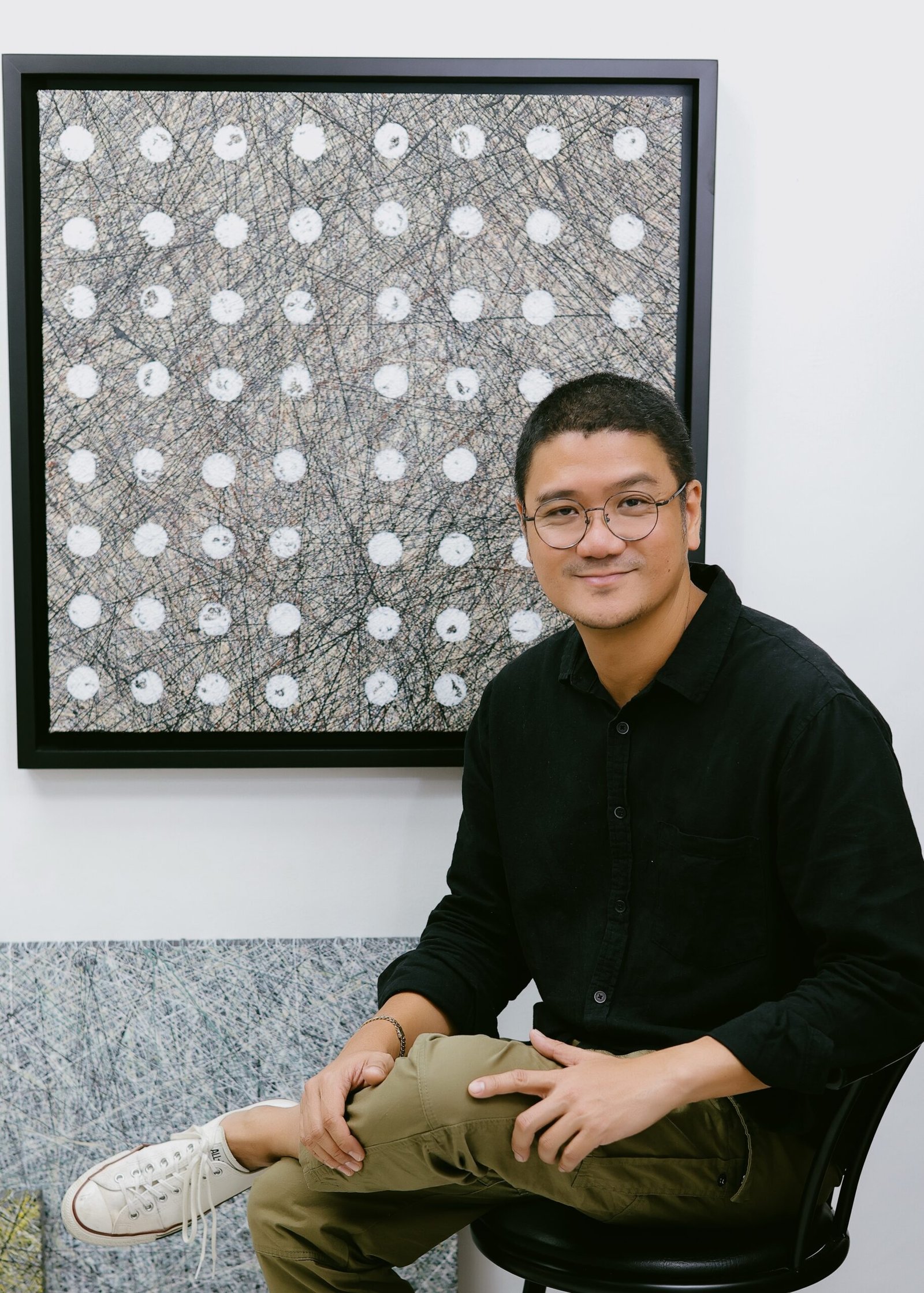
Looking back, Allen believes that the difficult periods were also the moments that helped him discover his true artistic voice.
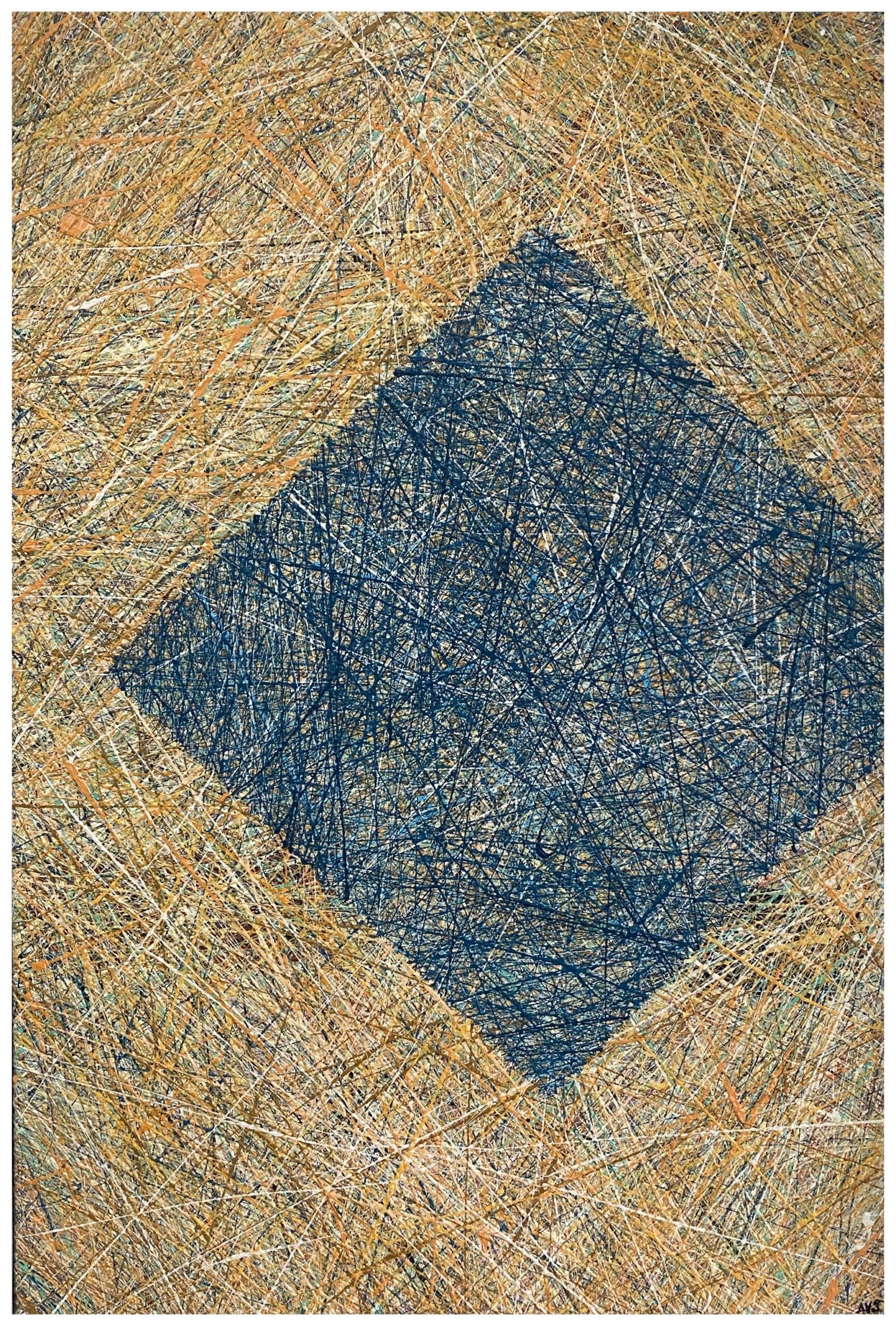
His work is quiet and mellow, yet visually intricate. Influenced early on by artists such as Gerhard Richter, Jackson Pollock, and Japanese artist Yasuhiro Tsutsumi, Allen eventually developed his own distinctive language through deliberate freehand strokes, dots, and geometric forms.
There are no preliminary sketches or strict plans. A work may begin with an experience, an idea, or even a verse he has read. From there, the canvas becomes a place where the thought unfolds intuitively.
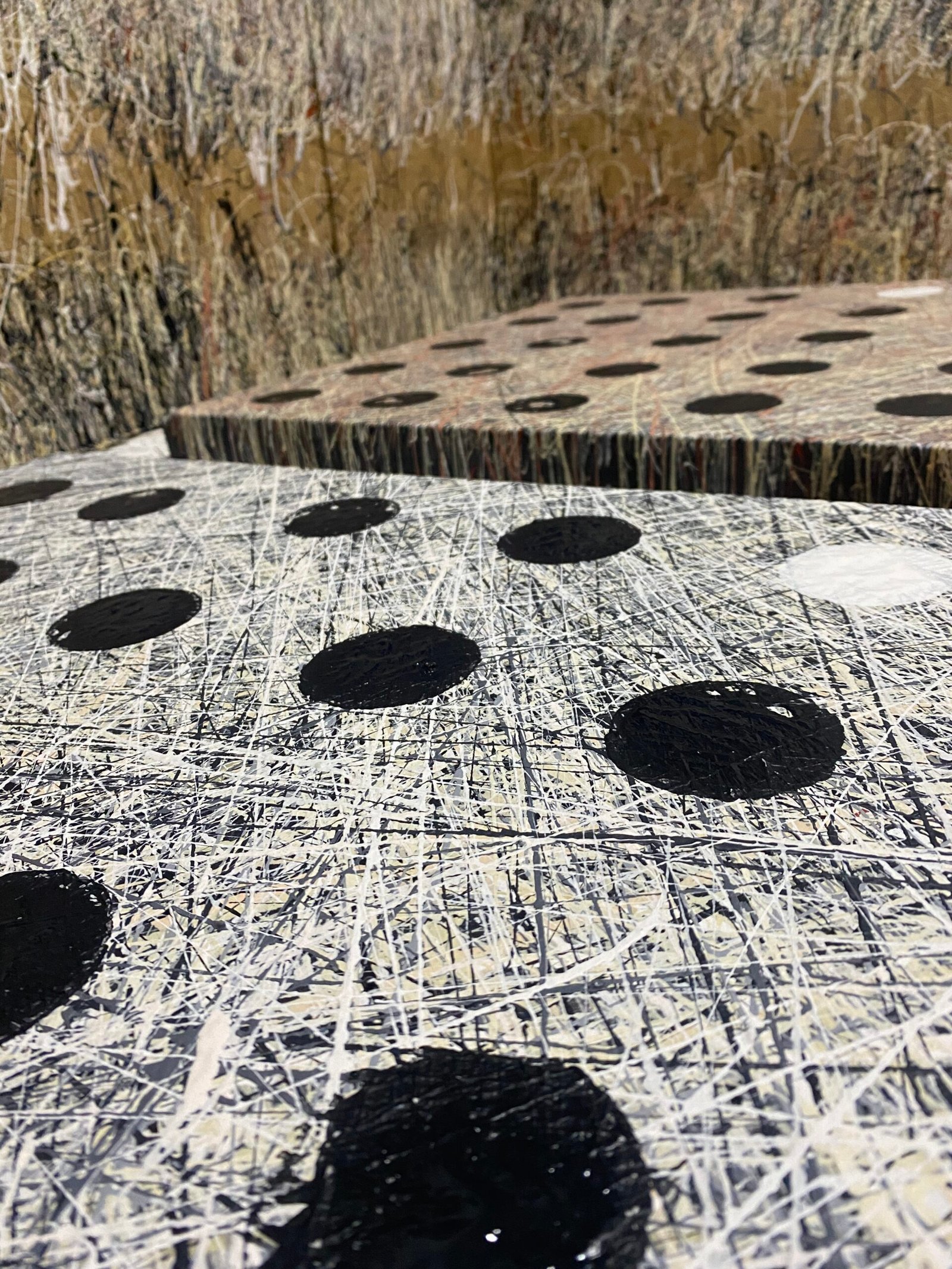
Every stroke is deliberate. But once the stroke lands, he does not go back and correct it. Instead, he lets it remain.
“I do not go back and correct,” he explains. “That element of surrender is, for me, an essential part of the process.”
It is a beautiful way of looking at art, and perhaps life. We cannot always go back and change every decision, every mistake, or every unexpected turn.
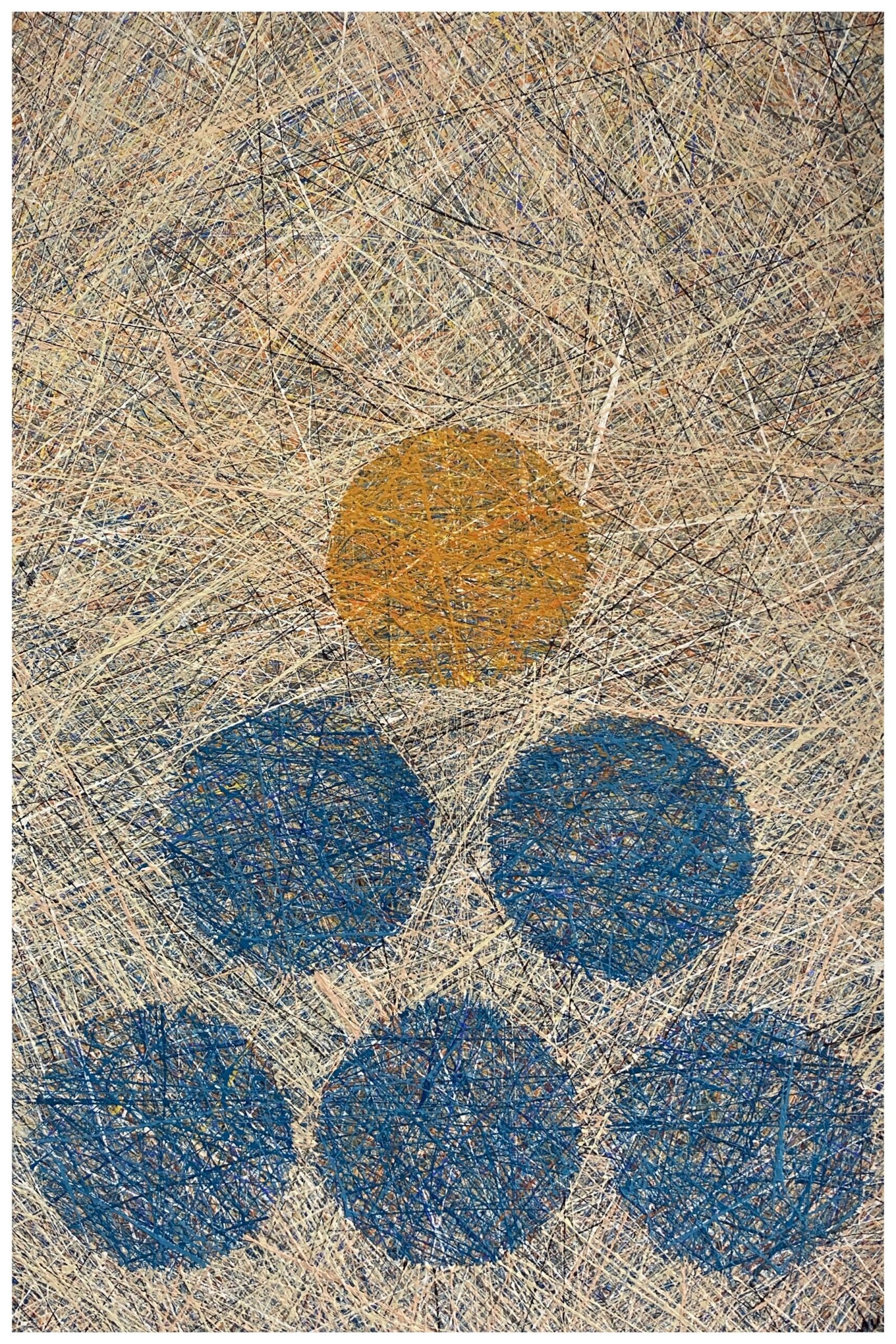
But sometimes, the things that seem out of place in the moment eventually become part of something meaningful.
His artwork Constellation captures this idea. The dots represent connection, the belief that scattered moments can eventually come together to form something whole.
Allen’s own story reflects this: the childhood sketches, a chance encounter, his first exhibition, the pandemic, years of waiting, and finally, a sold-out show in Manila. From a distance, the dots connect. And perhaps that is what makes his story relatable. Sometimes, we are living through chapters that do not make sense yet. But that does not mean they are meaningless.
Three Ways of Seeing
Perhaps what makes Kimmy, Eli, and Allen compelling is not simply that they create in different mediums, but that they have each learned to see differently.
Kimmy looks beneath the image, searching for the stories and emotions hidden behind what we choose to show.
Eli holds on to fleeting moments, turning memories, colors, and feelings into something that can be experienced again.
Allen finds connection in the seemingly scattered, trusting that with enough distance, the pieces will begin to make sense.
Their works may look entirely different, but the impulse behind them is remarkably similar: to make sense of something — to understand, remember, question, or simply feel.
And perhaps that is what art does at its best.
It gives form to things that are difficult to put into words. It allows a fleeting feeling to stay a little longer, a question to remain open, and a personal experience to become something another person can recognize as their own.
Their stories also remind us that there is no right timeline for finding your voice.
You can discover it as a child. You can return to it years later. You can lose your way and find it again. You can spend years creating before you finally understand what you have been trying to say.
What matters is that you keep looking. Keep making. Keep wondering.
Because somewhere between the first sketch and the finished work, between the pauses and the breakthroughs, between what we planned and what life gives us instead, we begin to create not only art, but a clearer picture of who we are.
And maybe that is the most beautiful thing about becoming an artist: You never really finish becoming.

Alike was created to inspire, built on society and storytelling — from curating the best features of the country’s brightest luminaries and orchestrating events catered towards the country’s top, to showcasing the finest gems in art, lifestyle, and culture.
Alike is the next generation: the movers, the shakers of today.
We are Alike.