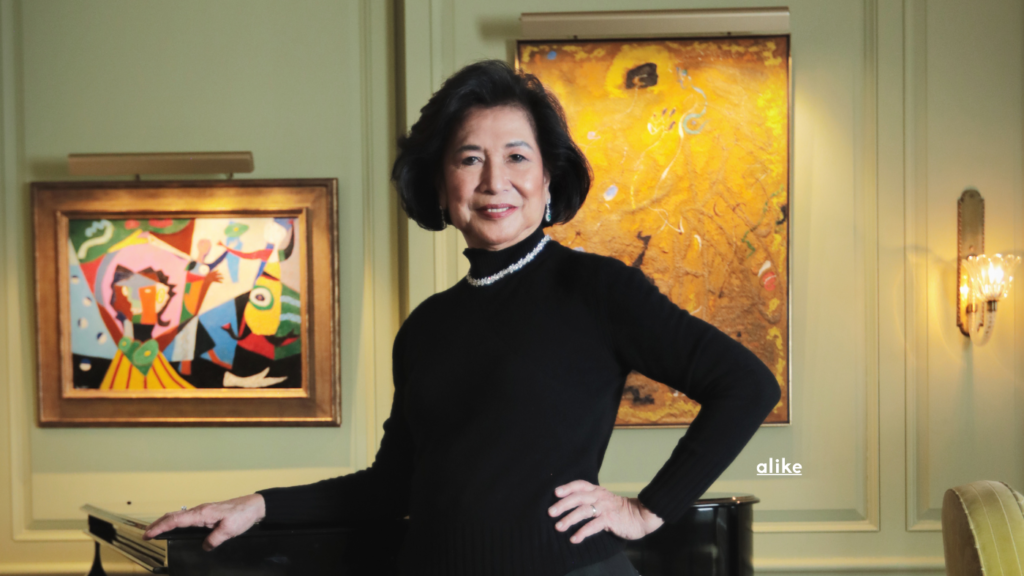

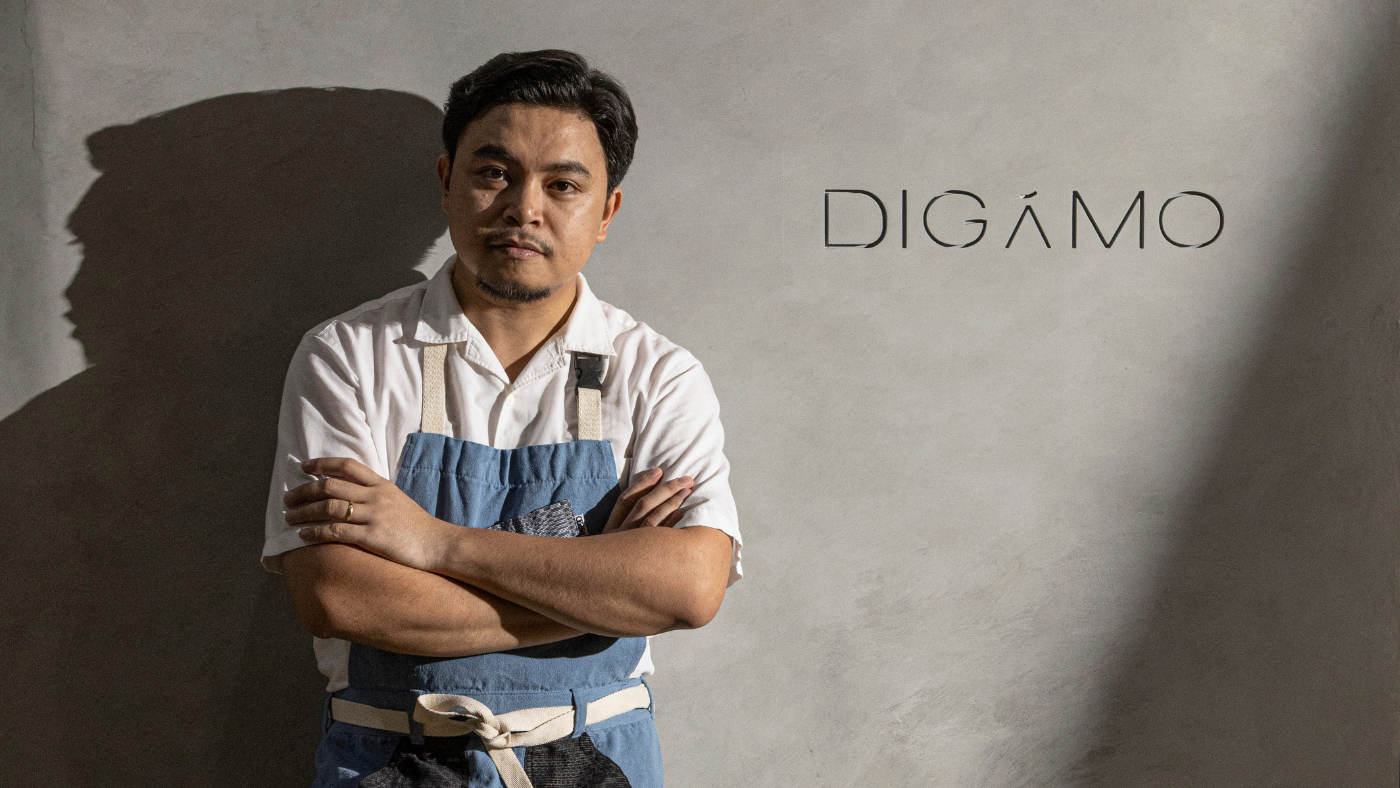
Writing for the Sunday Inquirer in 1988, the late and great scholar and culinary adventurer Doreen Fernandez noted how Filipino cuisine is people-centered, revolving around those who create, process, and consume it, highlighting how the communal spirit of the fiesta lives on even in urban life.
In that same essay, Fernandez also observed how the cuisine is multicultural at its heart, eschewing the purist, nativist assertions of other advocates of Philippine culture. She writes about the “active and imaginative consumption of Filipino and Filipinized cuisine” which has come to embrace “native, Chinese, Spanish, American, German cuisines.”
She also observed how our attitudes as a people changed towards our own food: “In the fifties, Filipino food was not easy to find in “tablecloth” restaurants. One did not take bosses, dates, or VIPs to have Filipino food. Now one certainly does, [taking] them to elegant places for it.”
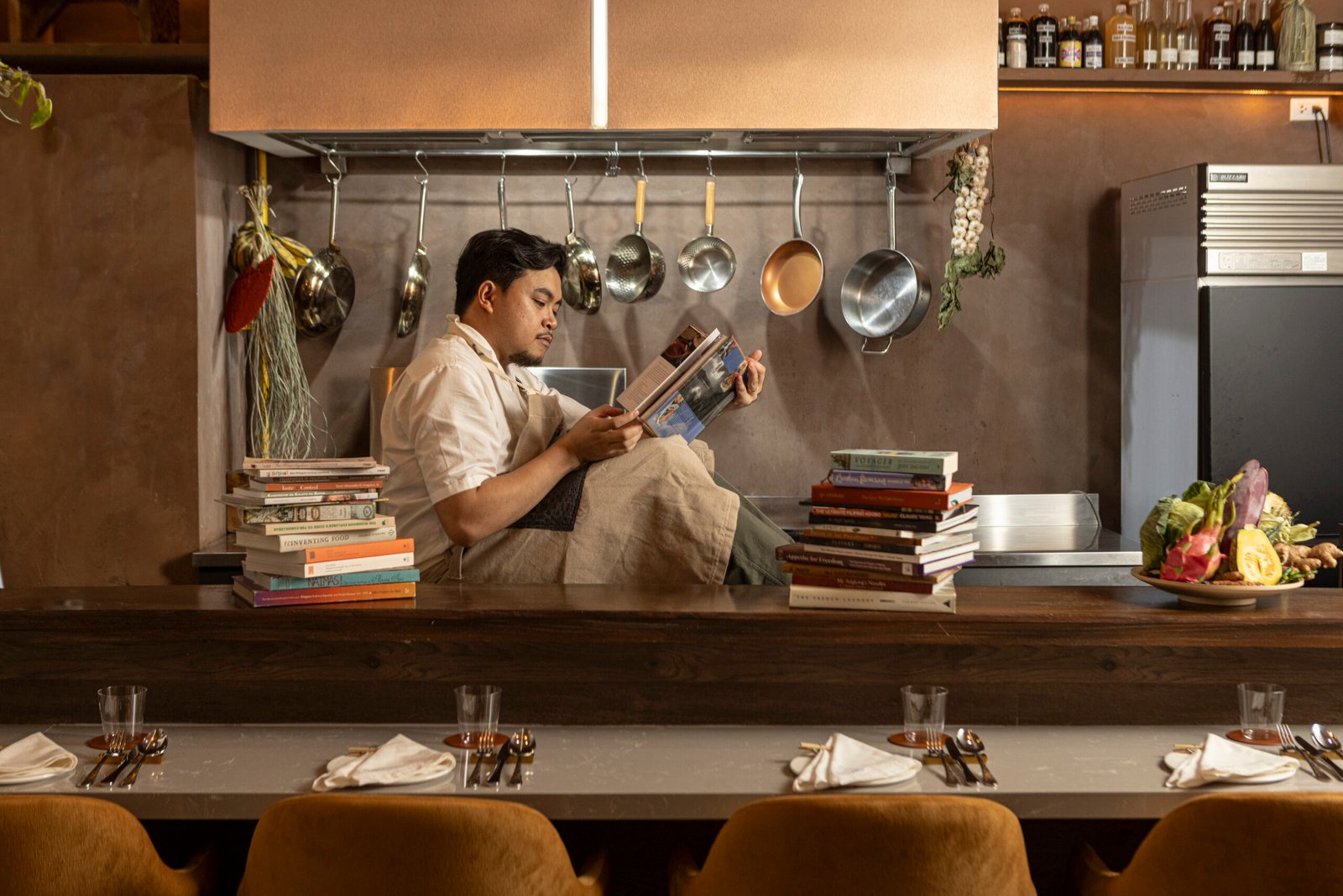
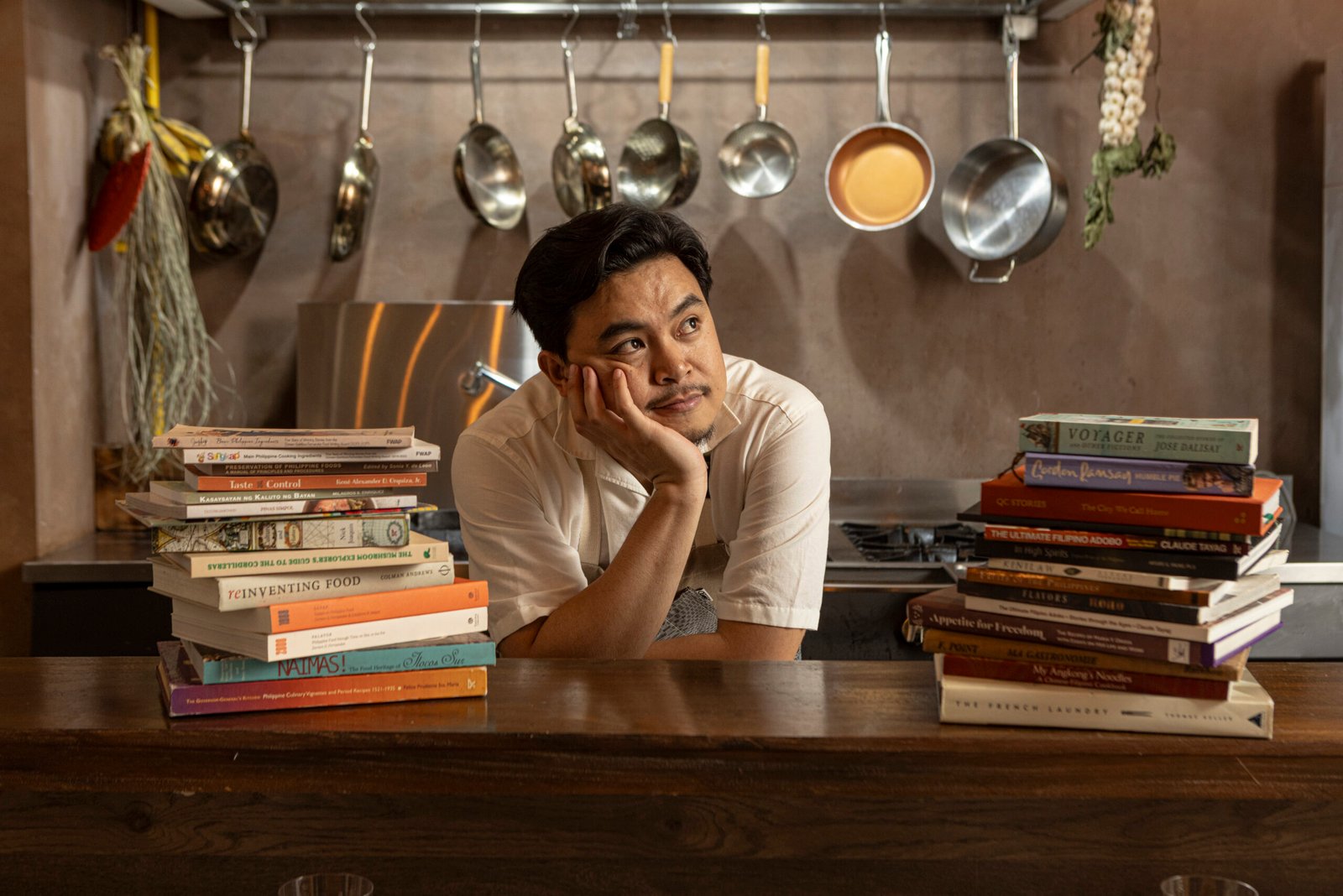
The essay, short in word count but rich in insights, can be found in Tikim, an anthology of Fernandez’s writing expanded and re-released in 2024, which sits in Chef Francis’ Lacson’s library.
All of the above observations by Fernandez are carried in one way or another by Lacson, as I discovered when Alike sat down with him in Digamo, his newly-opened tasting menu restaurant, nestled in the languid parks and ancient acacias of Marikina Heights.
Championing Filipino culture beyond stereotypes
Lacson has worn many hats before bringing his dream project to life. He grew up in a family of community cooks, and fiestas in his Visayan hometown became his core memories.
As a student, he wrote and took photos for the school organ, and an essay he penned in homage to local cooking methods was recognized and brought him and his family to Singapore.
As it is today, being a seaman was then already considered a fast track to a comfortable life. As such, Lacson signed up for deployment. During that era, his travels to bazaars and open air markets in the world left strong impressions on him.
A journalist by heart, he would document his findings in a notebook he keeps to this day. “Read voraciously,” he wrote in large letters on one page.
That same notebook also contained the inspirations that would lead him to launch Digamo, which opened in early 2026.
That era came to a halt after Lacson survived a hostage-taking at sea. Rattled, he questioned his career and when he decided to focus full-time on an old love, cooking, his mother initially became estranged from him.
Despite carrying the dual burden of trauma and conflict, Lacson carried on, starting at the lower rungs of the kitchen, learning anew, and working his way to bigger responsibilities until he was ready to open his own restaurant.
Today, Lacson is now a chef and still a learner, still an advocate discovering the intricacies of Filipino heritage. He has a better relationship with his mother now, and he and his wife recently moved to Marikina not just to run Digamo, but to raise their family in, citing the city’s relaxed environment.
During our dinner, he cites the essays and research of heritage workers like Doreen Gamboa Fernandez and Edilberto Alegre as major inspirations.
Digamo’s flourishes are very intentional, from generation-passed, handmade, traditional crafts sourced from locales of origin – fine bone ceramic plates from Biñan, Laguna, paper-art pastillas from San Miguel, Bulacan – to paintings and furniture from Filipino artists and designers.
Lacson also commissioned Oscar Mejia III, a local chemist-perfumer to craft a unique scent for Digamo, using endemic flora in the process. The restaurant also sources its liquors from Proudly Promdi, a supplier known for championing Filipino spirits for local and global drinkers.
Meanwhile, Digamo’s central architectural pieces and how they’re lighted evoke both a church oculus leading to an altar, in Digamo’s case, what Lacson calls the “dirty kitchen, the heart of Filipino cooking,” the bar where diners sit directly across the cooks preparing entrees.
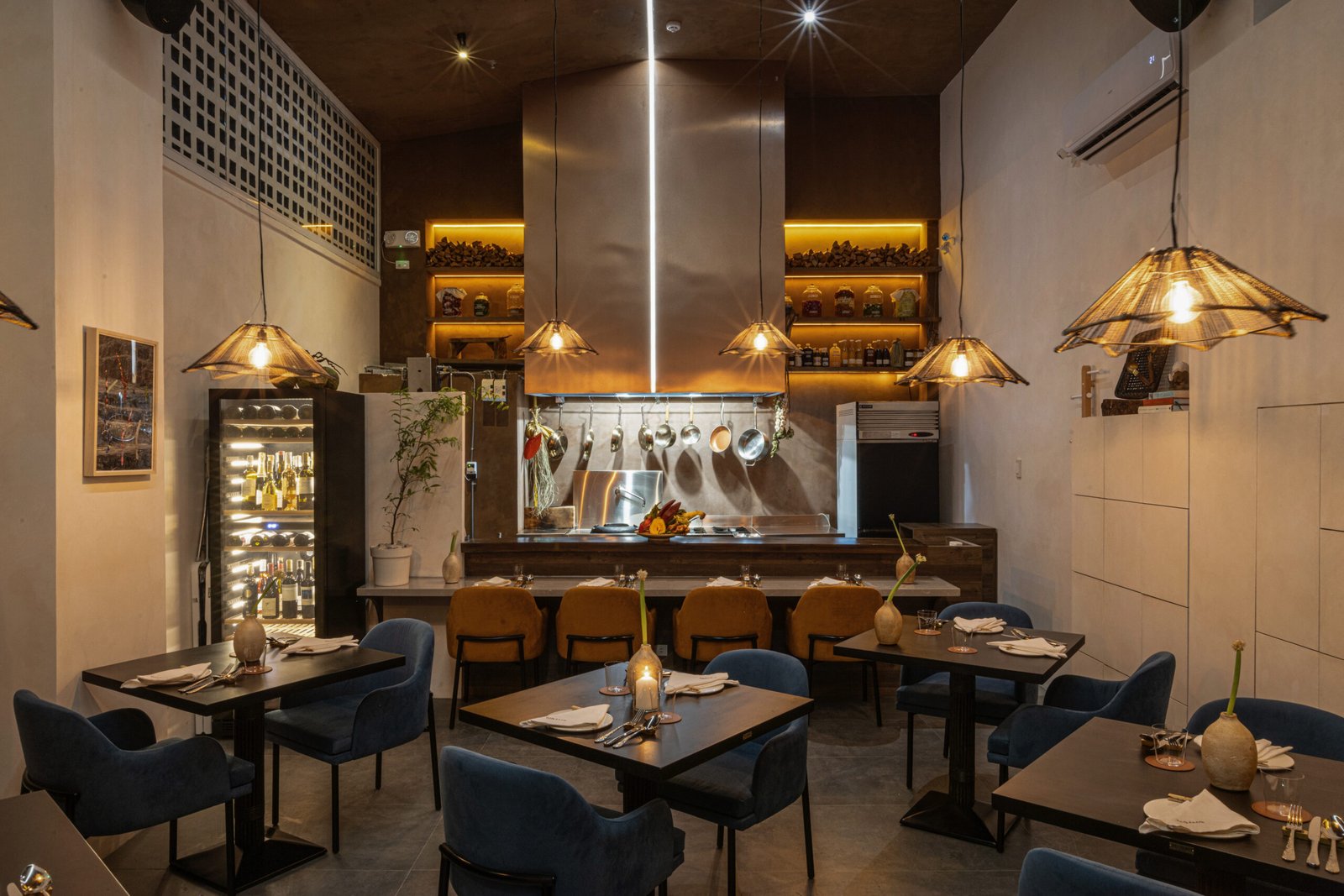
There’s even a traditional bayo used for rice pounding, which the crew actually uses in some of their dishes. Despite this, Digamo’s team carefully avoids popular, nostalgia-driven stereotypes of Filipino culture.
Of course, it’s the food that brings everything home. Digamo’s inaugural tasting menu tracks the development of Filipino cuisine across eras, as Lacson and team playfully but reverently deploy native, Spanish, American, and contemporary cooking techniques and methods.
Said menu offers his grandfather’s traditional vegetable stew together with Digamo’s spin on a popular Filipino fastfood chain’s set meals, capped by five ways to enjoy coconuts, among other evocations.
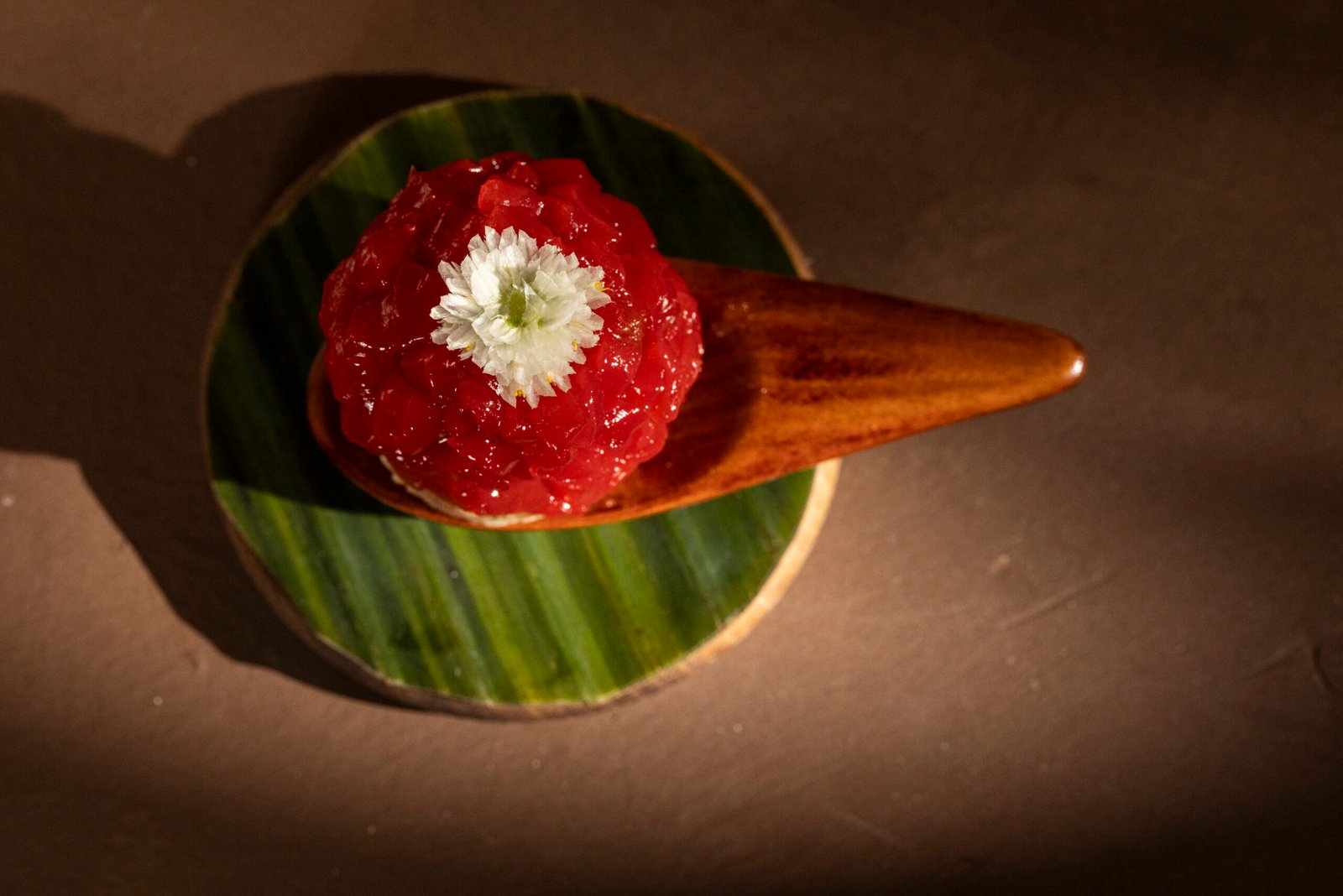
Grounding study with practice, Lacson is in the best position to assert that “Filipino food does not need to be elevated because it was never low to begin with. I never use the term ‘elevated’ to describe Digamo. It’s our minds that need to be elevated.”
Referring to the word “elevated” which has recently become a buzzword in marketing Filipino food to an upscale and global audience, he’s critical of the kind of education many Filipinos receive, which doesn’t always teach us to appreciate our own heritage and culture.
“It’s because of Fernandez’s and Alegre’s and other’s writings that I gained a deeper appreciation of our culture,” Lacson shares, believing that “shouldn’t we continue the work they’ve begun?”
Coming full circle
Steve Jobs is remembered for noting how seemingly disparate events finally make sense in retrospect. This applies especially for a career pursued intentionally.
After surviving a hostage-taking, holding space for familial estrangement, shifting careers and learning starting from the bottom, Chef Francis Lacson’s career so far, capped by the inauguration of Digamo, is a keen example of Jobs’ observation.
Presently, Lacson remains open to the possibilities opened by his advocacy and culinary work. He envisions a casual dining concept with a similar ethos as Digamo.
It’s safe to say that the work started by Fernandez and Alegre and other Filipino culture and food scholars is in good hands with today’s advocates, one of them being Chef Francis Lacson.

Alike was created to inspire, built on society and storytelling — from curating the best features of the country’s brightest luminaries and orchestrating events catered towards the country’s top, to showcasing the finest gems in art, lifestyle, and culture.
Alike is the next generation: the movers, the shakers of today.
We are Alike.