
Why the things we can touch, keep and return to suddenly feel more valuable
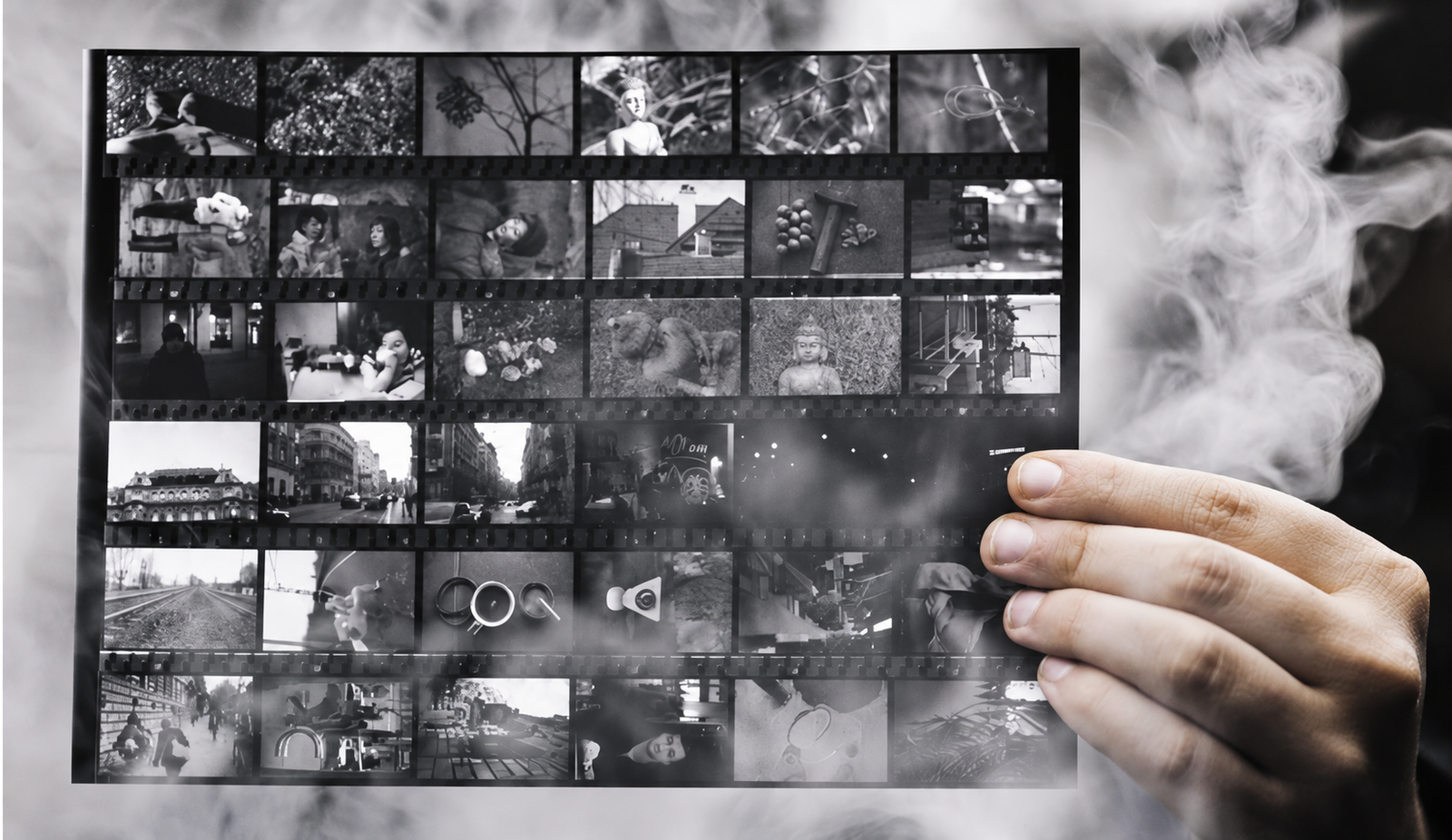
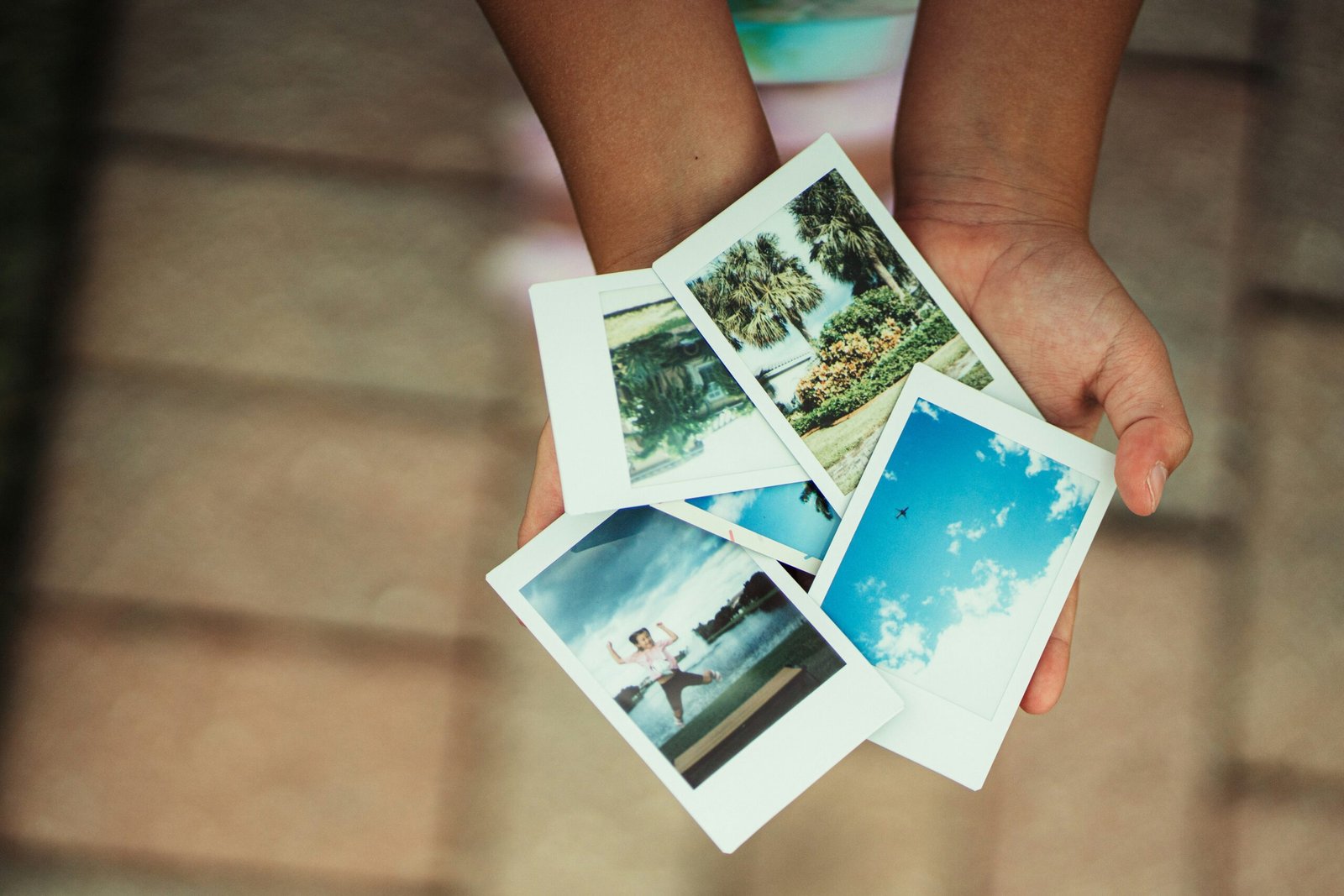
A printed photograph behaves differently from a photograph on a phone.
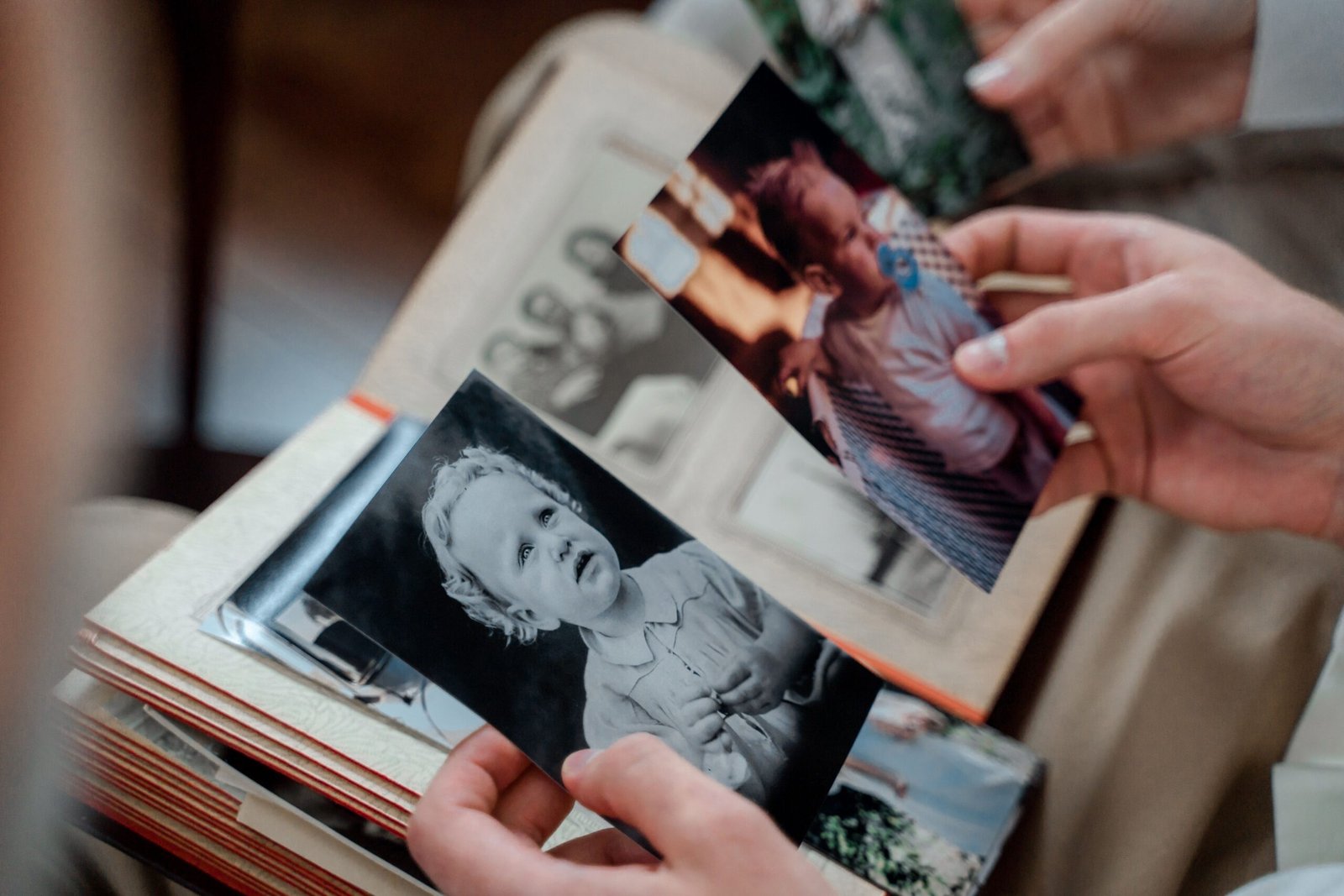
It can be bent, tucked into a wallet, forgotten inside a book, then found again years later. By then, the image carries more than what was originally captured. It holds the time that passed around it.
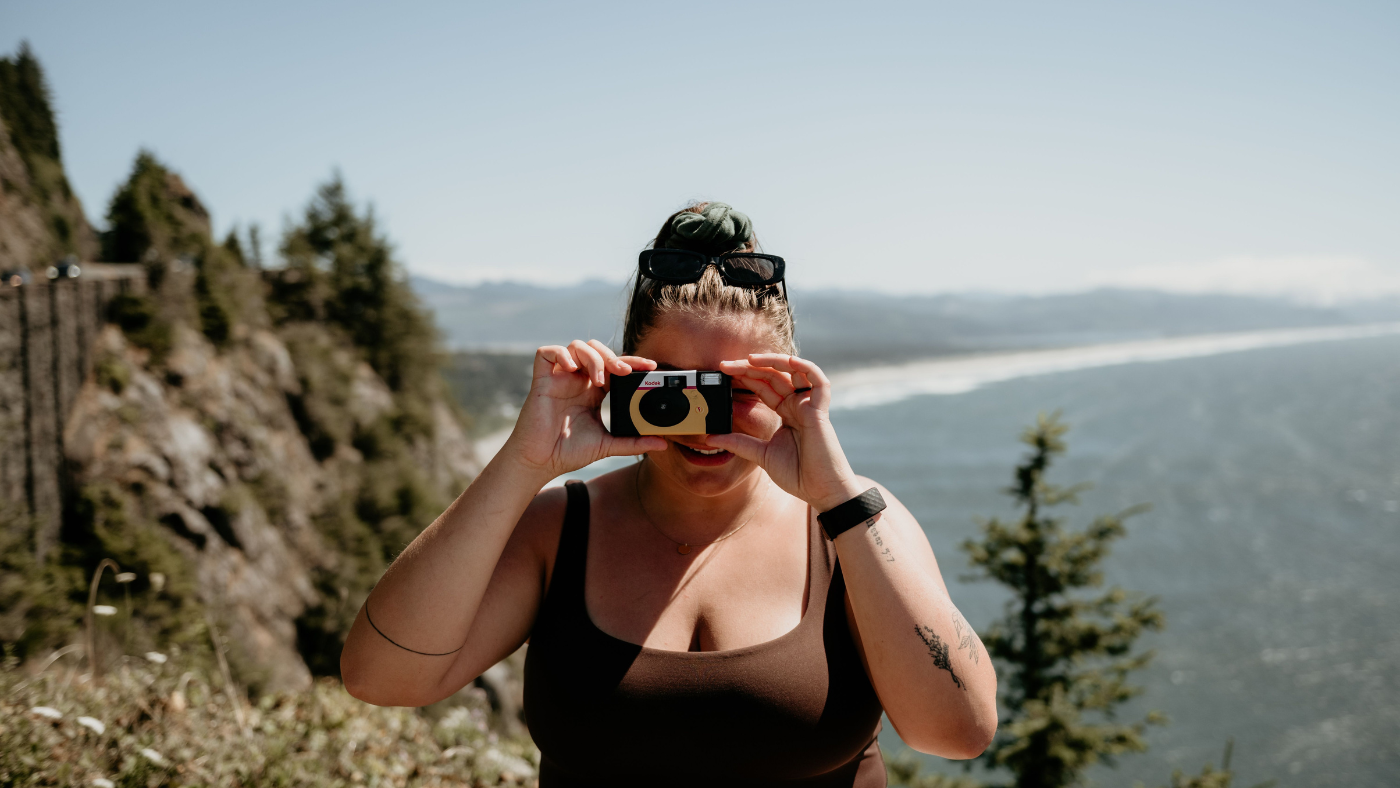
Maybe that is part of why analog objects are finding their way back into daily life. Film cameras are showing up on tables again. Vinyl records are being collected by people who grew up with streaming. Journals, printed books, disposable cameras and paper planners have all found new relevance.
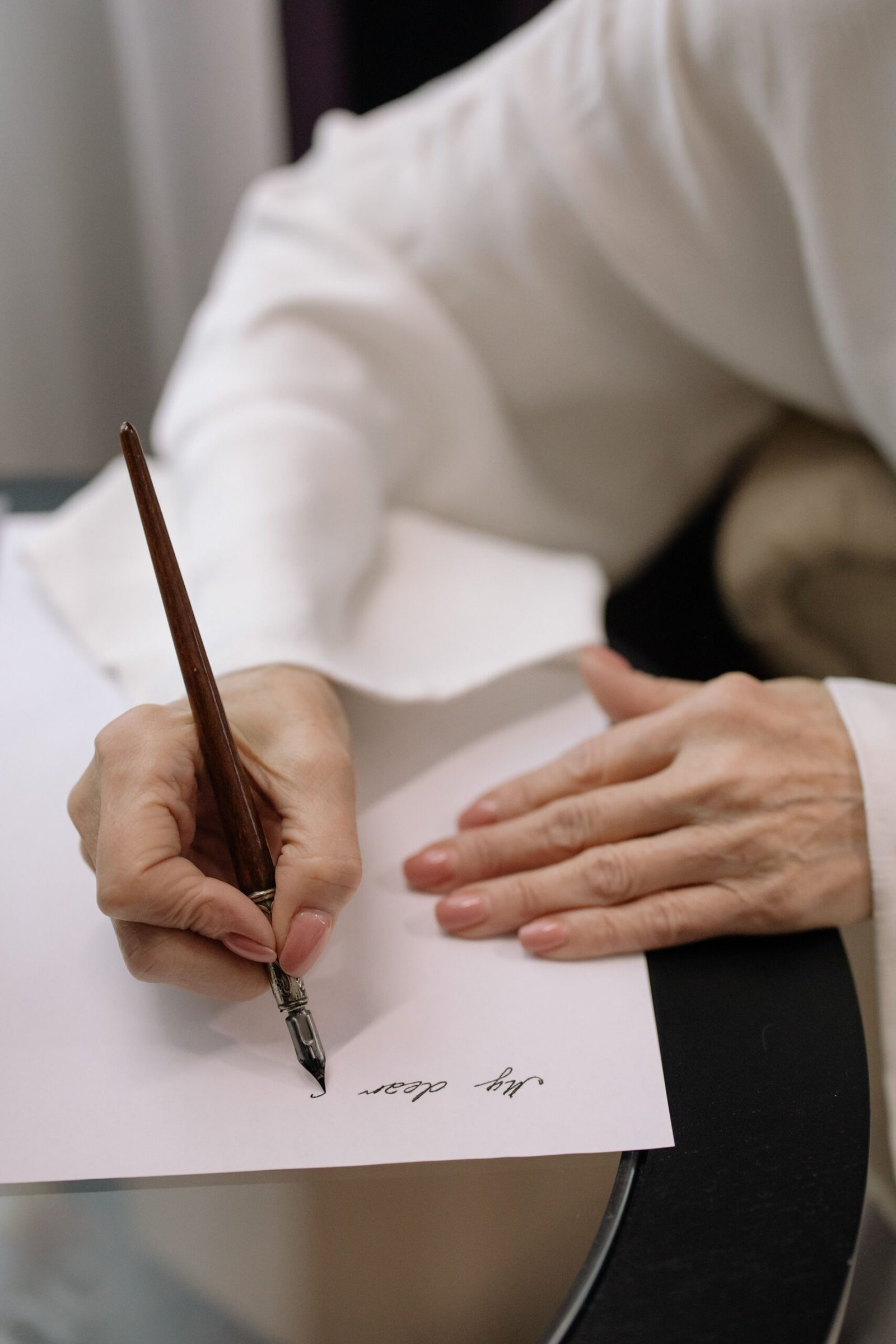
It would be easy to call this nostalgia, but that does not fully explain it. Many of the people drawn to analog culture never experienced these things as the default. What seems more interesting is the desire for something slower, more physical and less easily replaced.
Attention Has Become the Luxury
For years, convenience was the goal. The fewer steps something took, the better it became.
Now music, messages, entertainment, shopping and information all arrive almost instantly. Analog experiences work differently. A film camera gives you only so many frames. A record asks you to choose what you want to hear and stay with it. A handwritten note takes longer than sending a message.
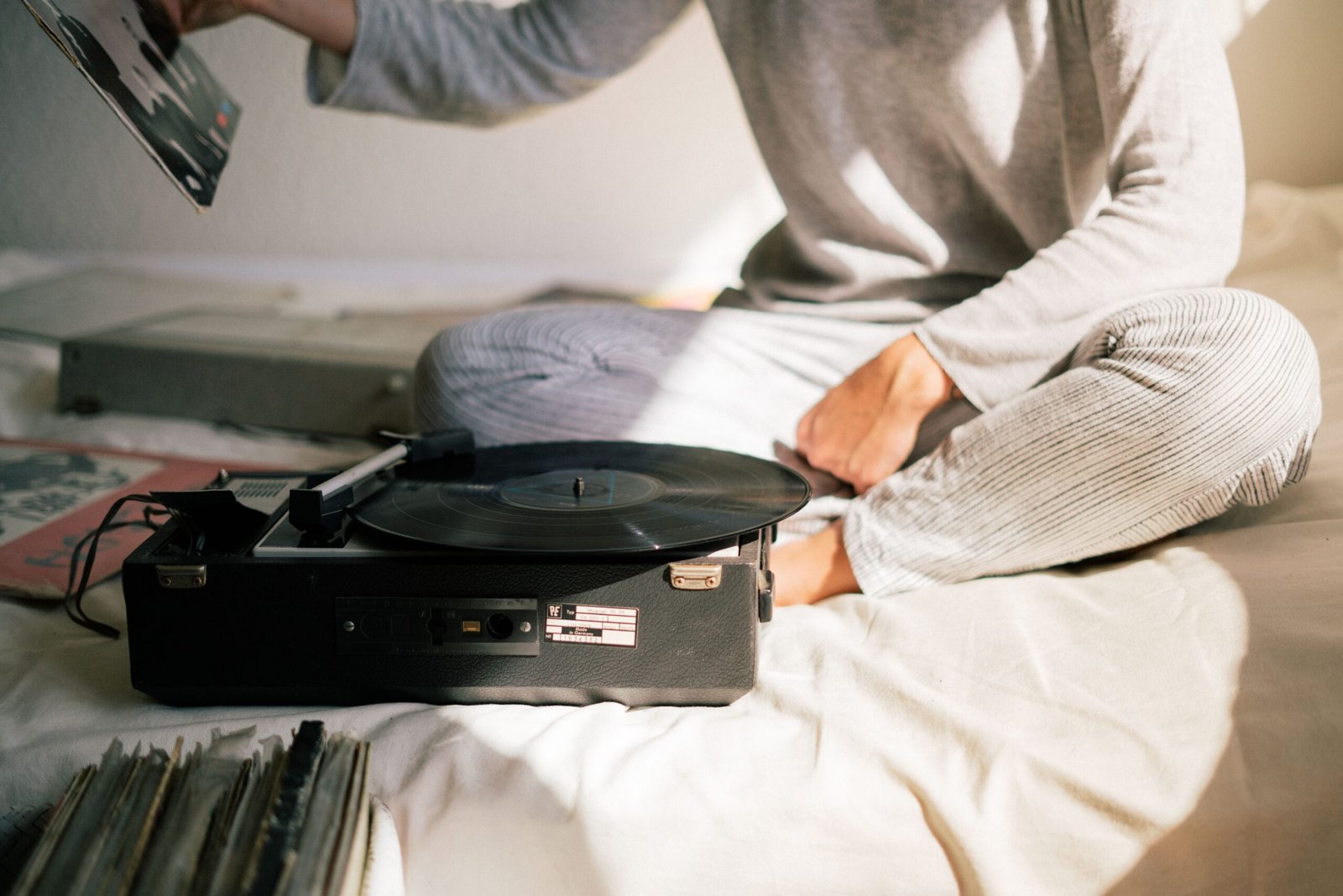
That extra effort is part of the appeal. It makes you pay attention.
When so much of daily life is designed around speed and constant switching, being able to focus on one thing without interruption starts to feel unusually valuable. The luxury is no longer just having access to more. Sometimes it is having enough space to stay with one thing.
We Want Proof That Something Happened
Physical objects also change with us.
Books collect notes and folded pages. Jackets soften. Photographs fade. Handwritten cards carry small imperfections that make them unmistakably personal.
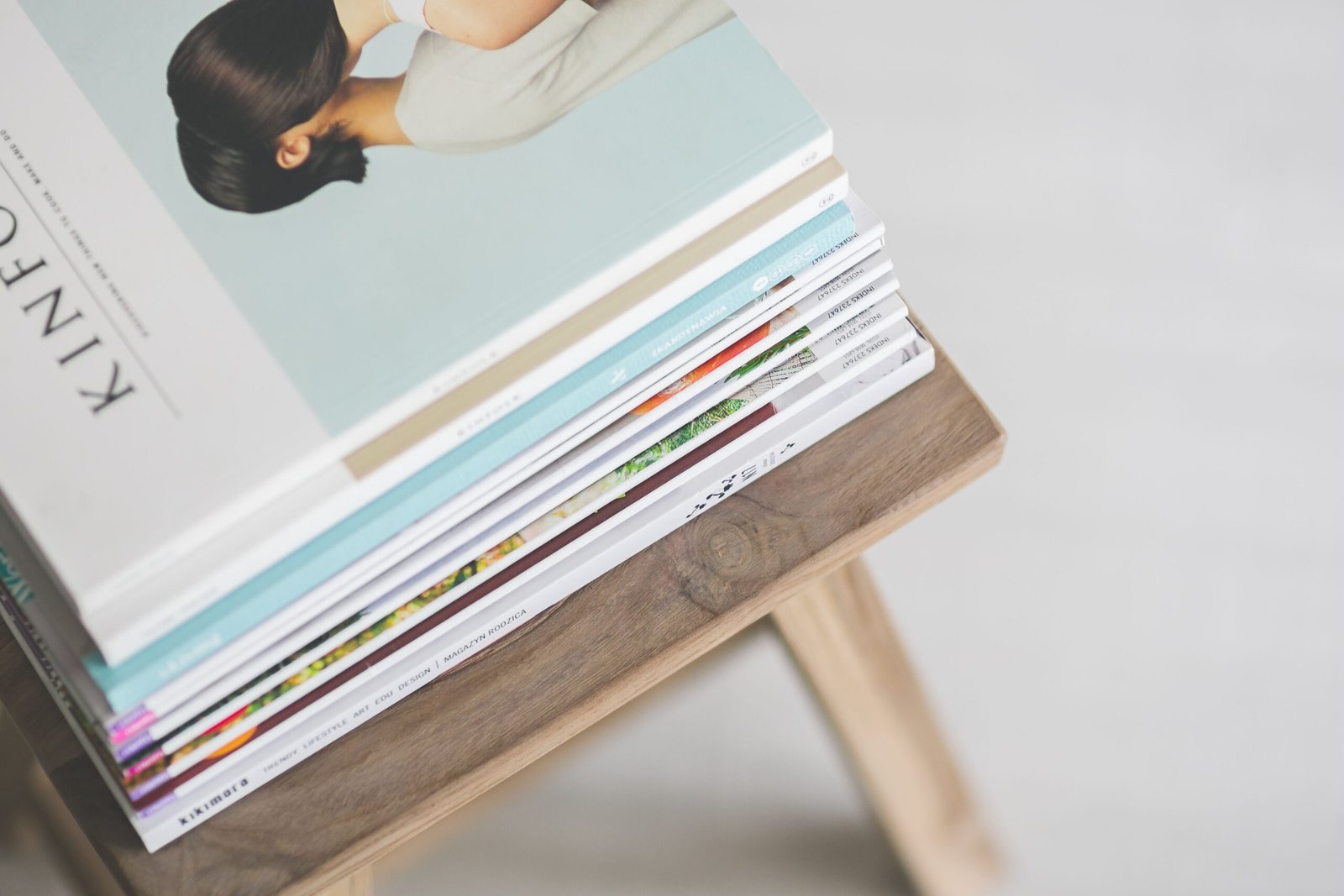
Those details matter more now, especially at a time when polished images, words, music and video can be produced almost instantly. The more effortless everything becomes, the more noticeable human effort starts to feel.
A film photograph may be imperfect, but that is part of what gives it character. A handwritten note feels personal because somebody had to sit down and make it. These imperfections are not flaws so much as signs of origin. They tell us that someone was there.
Not Everything Needs an Audience
There is also something refreshing about experiences that do not immediately ask to be shared.
A journal can stay private. A photograph can live inside a drawer. A good meal can be remembered without ever becoming a post.
Social media has made documenting life almost automatic. Trips become photo dumps, meals become stories, purchases become unboxings. Sometimes the act of recording the moment becomes part of the moment itself.
Analog creates a small break from that habit. It allows things to exist without instantly becoming public, measurable or performative.
After years of being encouraged to share more, perhaps part of the appeal now is being able to keep something for yourself.
What We Keep Matters
Some objects become meaningful simply because they stay.
A book that has survived several moves. A watch passed down by someone else. A photograph that means more now than it did when it was taken.
Their value does not come from being new. It comes from being lived with.
That idea is also worth considering for brands. For years, the focus has been on making more content: more posts, more assets, more things designed to catch attention and then quickly give way to the next one.
The more interesting question may be what a brand can create that someone would actually want to keep.
It could be a printed publication, a handwritten insert, a physical membership card, a photograph or packaging that feels considered enough to stay on a shelf.
The point is not to make everything look vintage. It is to make something that still has a reason to exist after the campaign is over.
What Comes Next
The future is unlikely to be analog instead of digital. Most people will continue choosing digital when speed and convenience matter.
What may change is how selective we become about the things we do not want optimized.
As more of life becomes faster and easier to access, the experiences that ask for time, touch and attention may become more valuable precisely because they do not.
That may be the real analog advantage: not a return to the past, but a clearer sense of what is worth keeping.
Alike was created to inspire, built on society and storytelling — from curating the best features of the country’s brightest luminaries and orchestrating events catered towards the country’s top, to showcasing the finest gems in art, lifestyle, and culture.
Alike is the next generation: the movers, the shakers of today.
We are Alike.