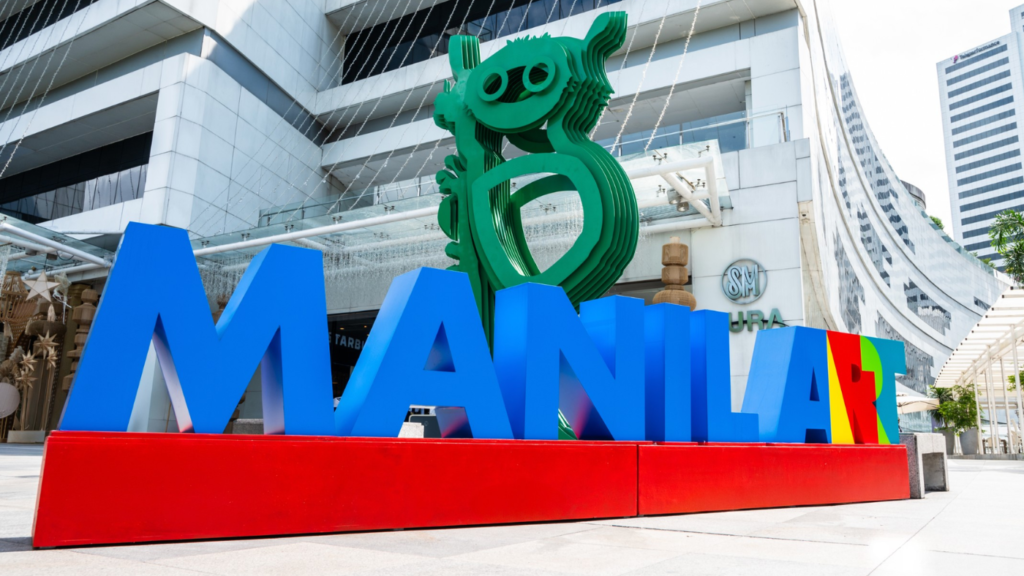

If you’ve visited many long-running art fairs, you might notice that each has an identity: Alt Philippines prizes theoretical experimentation, ManilArt honors tradition, Art in the Park spotlights artisans and craftspeople.
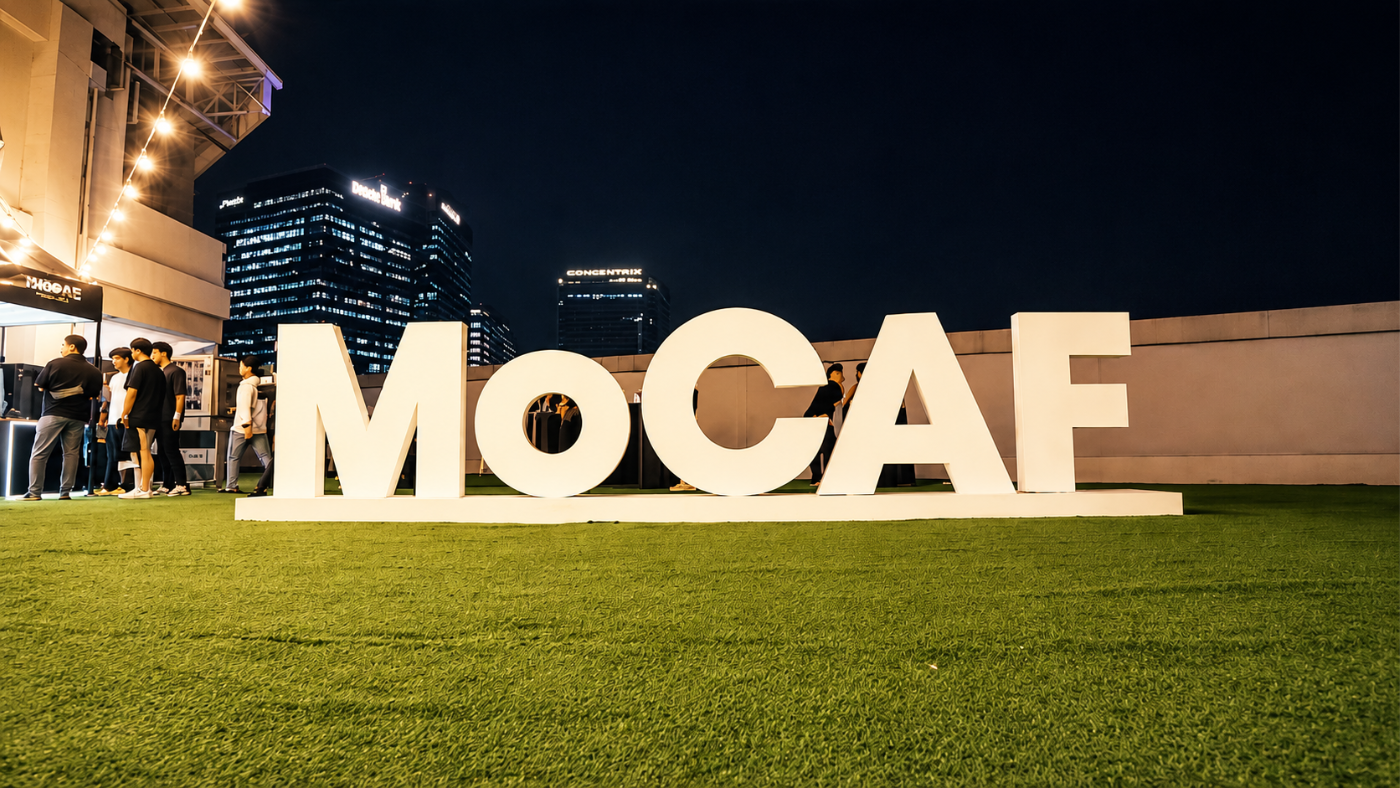
On its 5th year, MoCAF or the Modern and Contemporary Art Festival seems to have solidified its footing as an inclusive but also tasteful fair.
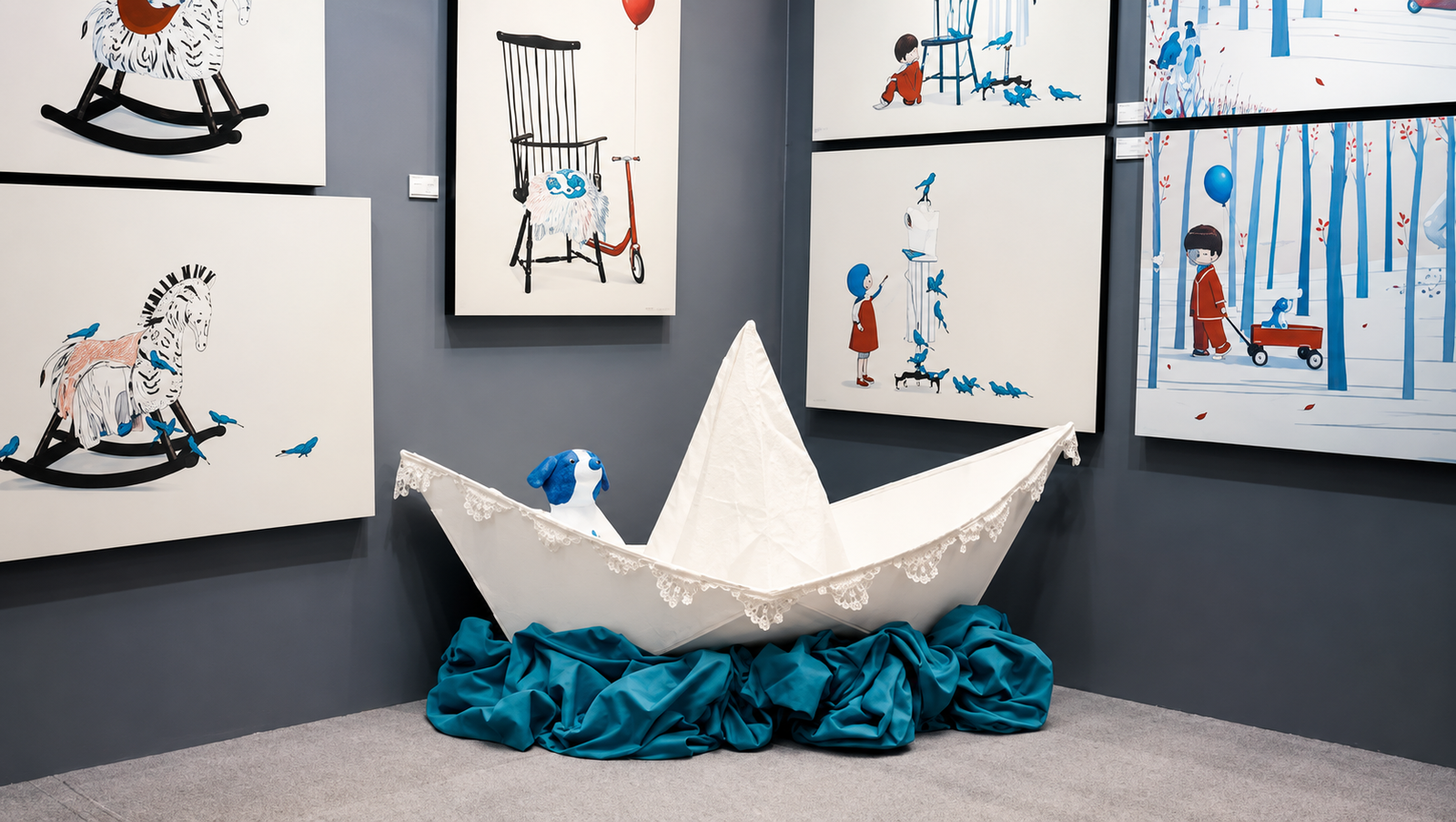
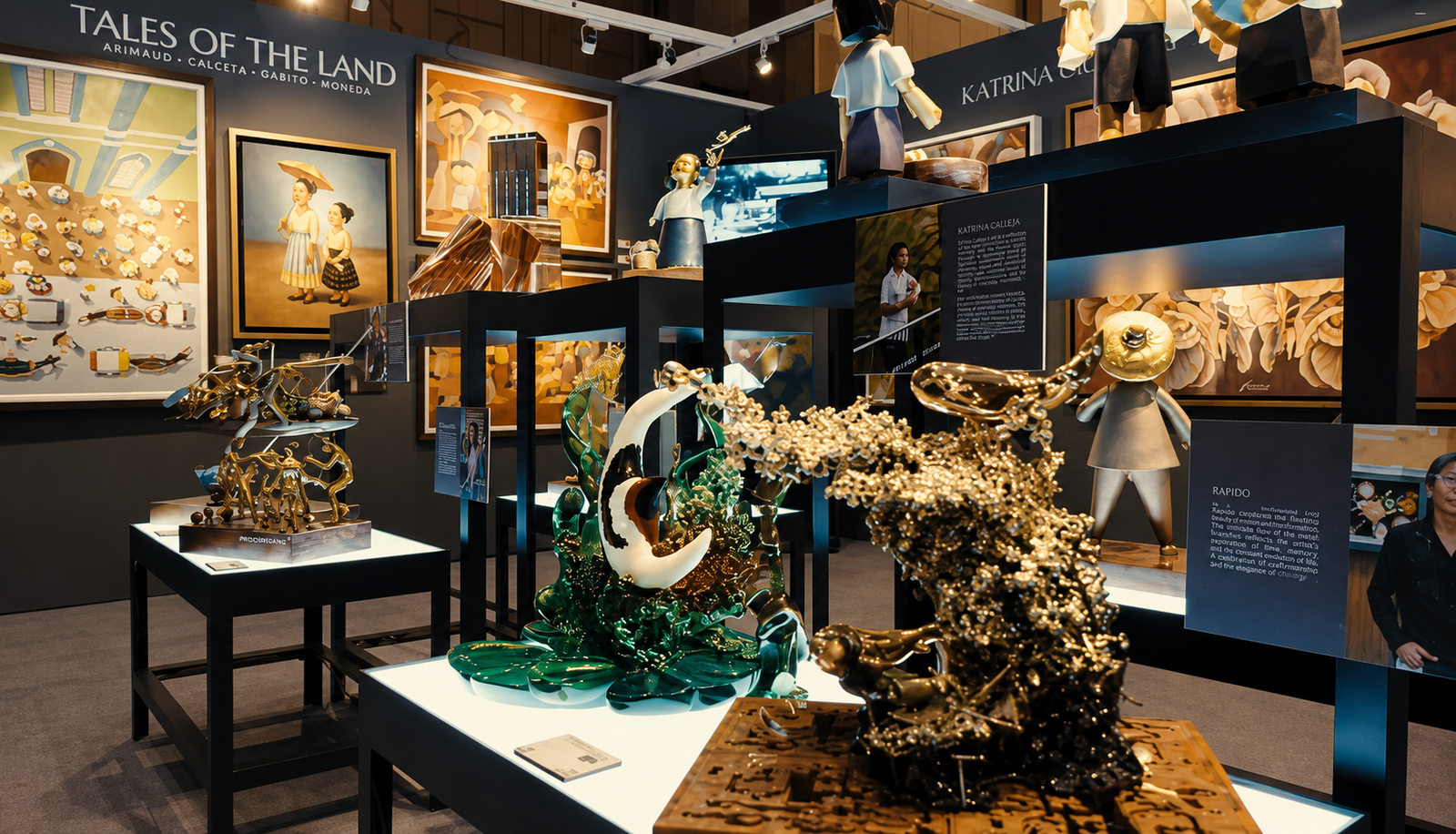
Held in the Marquis Events Place in Bonifacio Global City, Taguig last July 3 to 5, the organizers maximized the space allotted to them, from the first, second, and third floors all the way to the open-air deck, creating a floorplan connecting the 50 participating galleries, the independent art collectives, as well as participating ateliers and the pop-up booths of specialty cafes and chef-helmed restaurants.
Curated and organized by Art Plus and its home galleries, the words “modern” and “contemporary” are grounded in the Philippine and world art histories of each movement, all presented in a hip, urbane, and savvy manner.
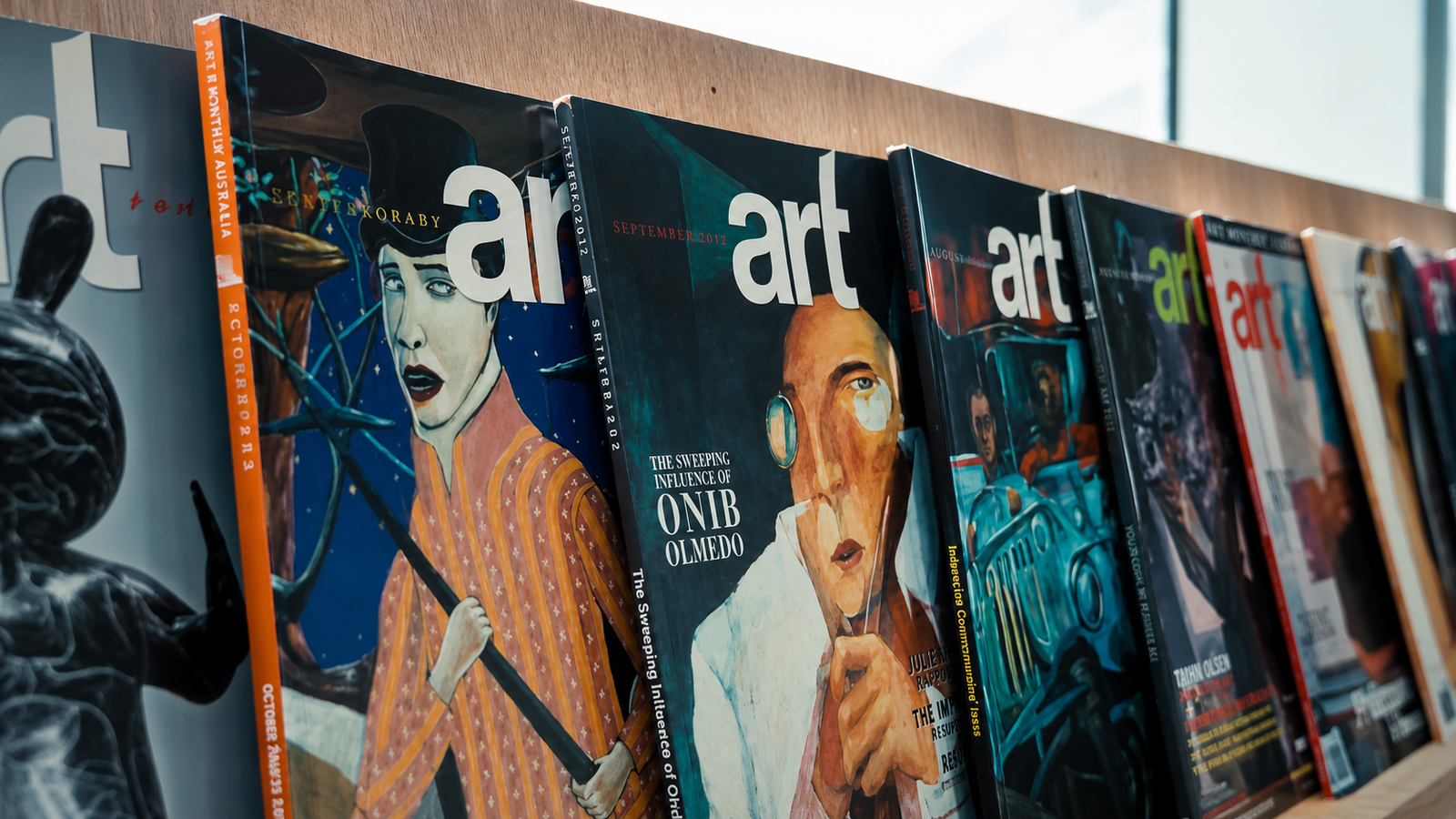
Works by modern masters like Juvenal Sanso and Nena Saguil, also carried by the National Museum and other institutional players, sit across contemporary artists and those from outsider communities, like from street and urban culture to komiks, once considered low-brow by art institutions.
One such example was the collaboration between veteran contemporary artist and University of the Philippines College of Fine Arts dean Toym Imao and animator and illustrator Kevin Eric Raymundo, who created the viral Tarantadong Kalbo or TK web comic character.
Their project, a series of paintings titled “Afternoon Delights” playfully placed TK in a series of nostalgic portraits of 90s Philippine life. This was made possible through vMeme Contemporary Art gallery, whose owner, Avie Felix shared that the space “while making sustainable choices, wants to emphasize works with strong concepts.”
Felix and Imao were also part of the Philippine pavilion in the 2024 Gwangju Biennale. Meanwhile, in a Facebook post expressing gratitude to vMeme and MoCAF, Raymundo shared that he was a “complete outsider to the world of high art, galleries, and formal exhibitions,” quipping that he had “no clue what a vernissage is” but the he nonetheless was “fueled by curiosity and a stubborn willingness to leap into the unknown.”
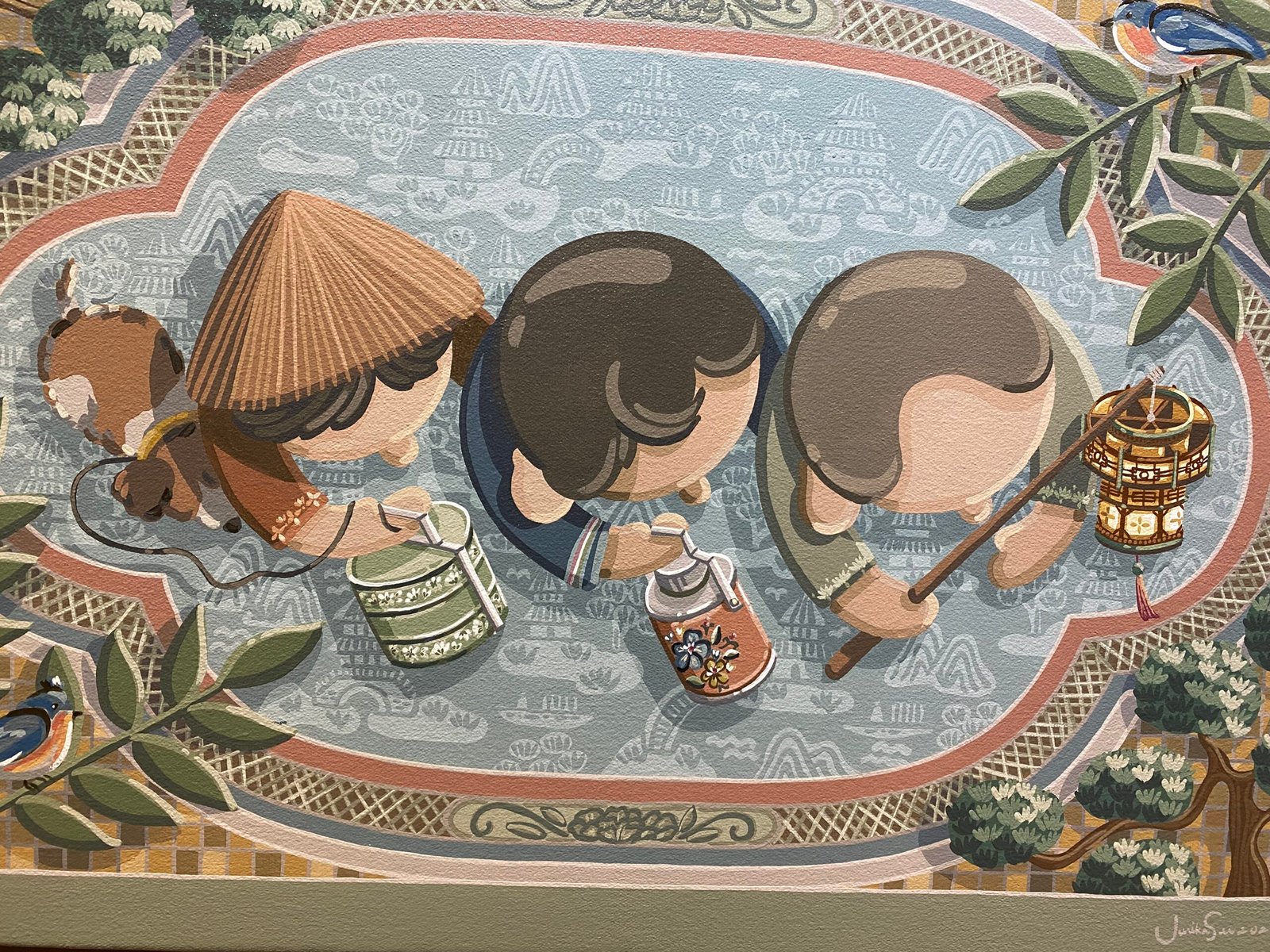
vMeme also displayed its range with the space given to them, showcasing more muted but equally-masterful works by a protégé of Fernando Zobel.
Galleries from around Asia and beyond also participated, bringing in artists from Indonesia, Japan, Singapore, and Spain, to name a few.
Like Raymundo working with vMeme, White Walls Art Asia, a gallery from Singapore, also showcased a studied diversity of art, such as bright, mural-like works from an Indonesian painter whose work I saw in Art Jakarta’s 2023 edition to a contemporary twist on traditional Chinese painting that nonetheless exuded the familiar calm of misty limestone landscapes.
Art Plus is named so because they aim to tie art to an overall lifestyle experience, from fashion, wellness, travel, and dining. A such, this year’s MoCAF decidedly went beyond studio art, championing creativity and honed craftsmanship from other sectors and practices.
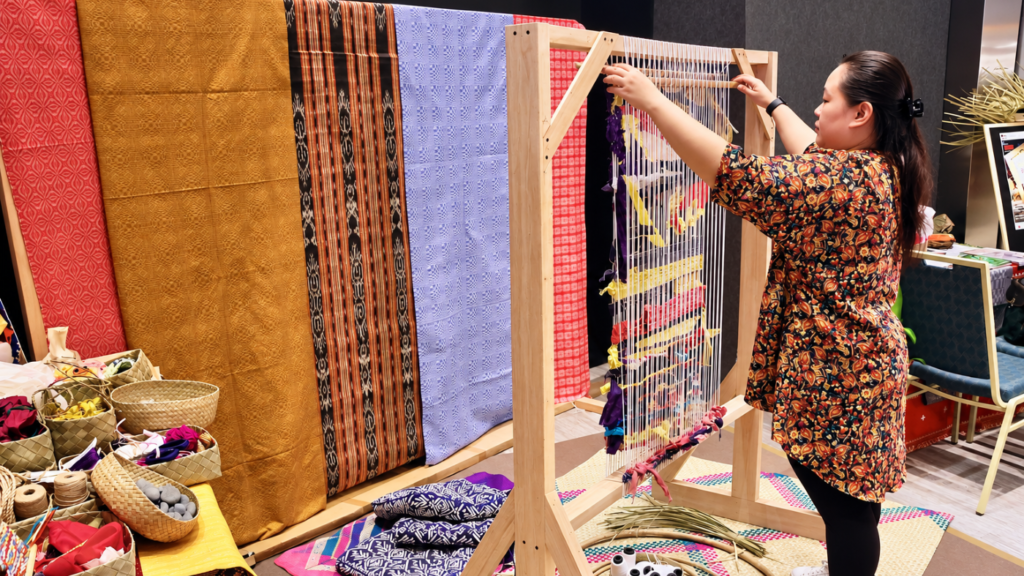
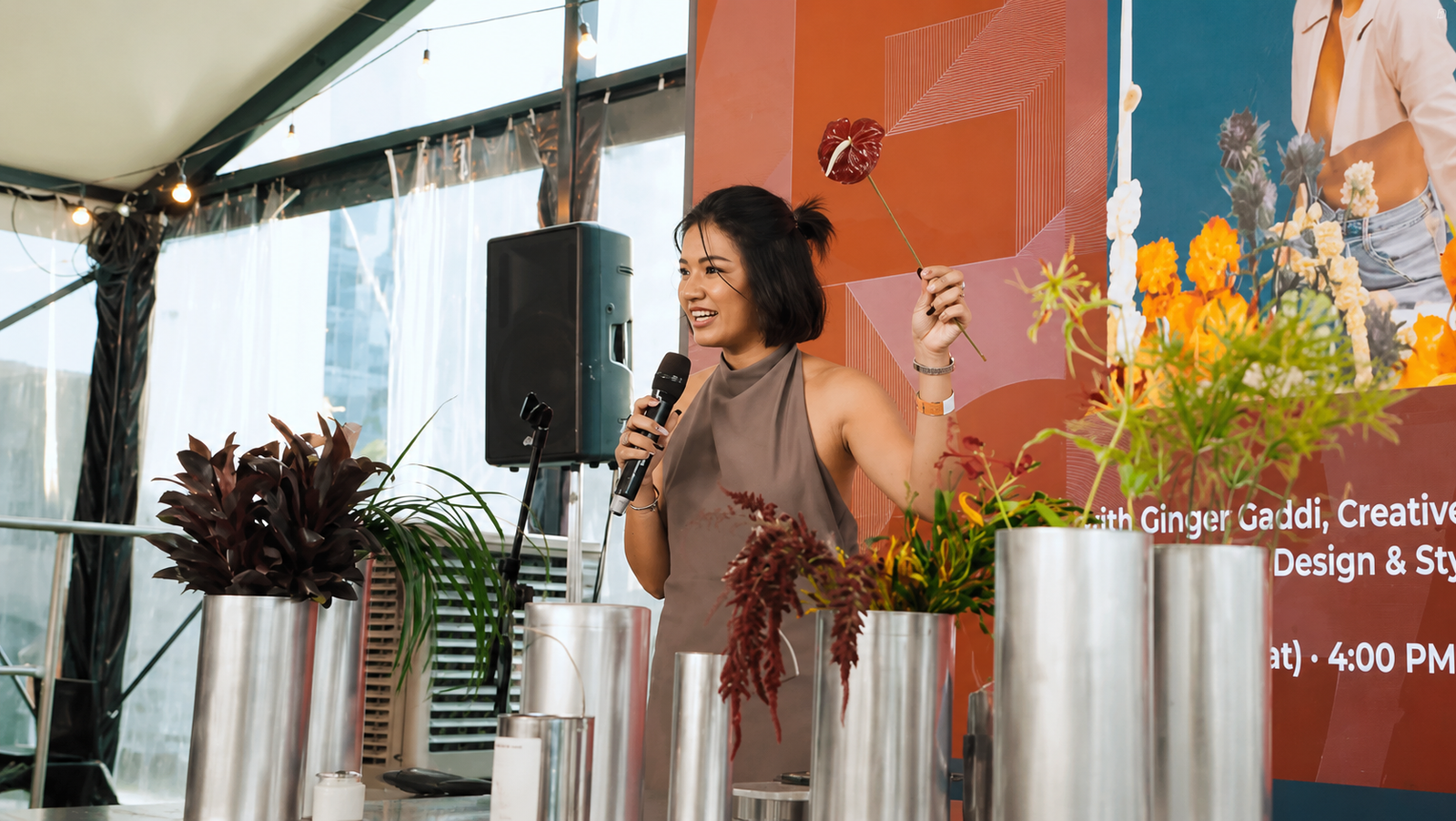
In the MoCAF XTN section, which featured boutique ateliers, perfumers, terrarium-makers and other crafts, one atelier from Batangas collaborated with painters to create Filipiniana that was essentially wearable art. Activities like flower arrangement or ikebana workshops were held in XTN, and joints like Uma Nota, Sabai, Odd Cafe, and The Matcha Tokyo provided bites and refreshments.
The first and second floors were also by MoCAF partners Chinabank and Fundacion Sanso. The former displayed 100 1 ft x 1 ft paintings by various artists representing various styles. Some works sold below PhP 10 000.00 while others from this section shot as high as PhP 54 000.00.
I was told by one of this section’s managers that works displayed on day two of MoCAF were in reserve at day one.
Meanwhile, Fundacion Sanso, having recently released a Larry Alcala collection of wall paintings and merchandise (much like Raymundo’s pivot to gallery art), also brought with them an editorial cartoonist collective which Alcala was a member of.
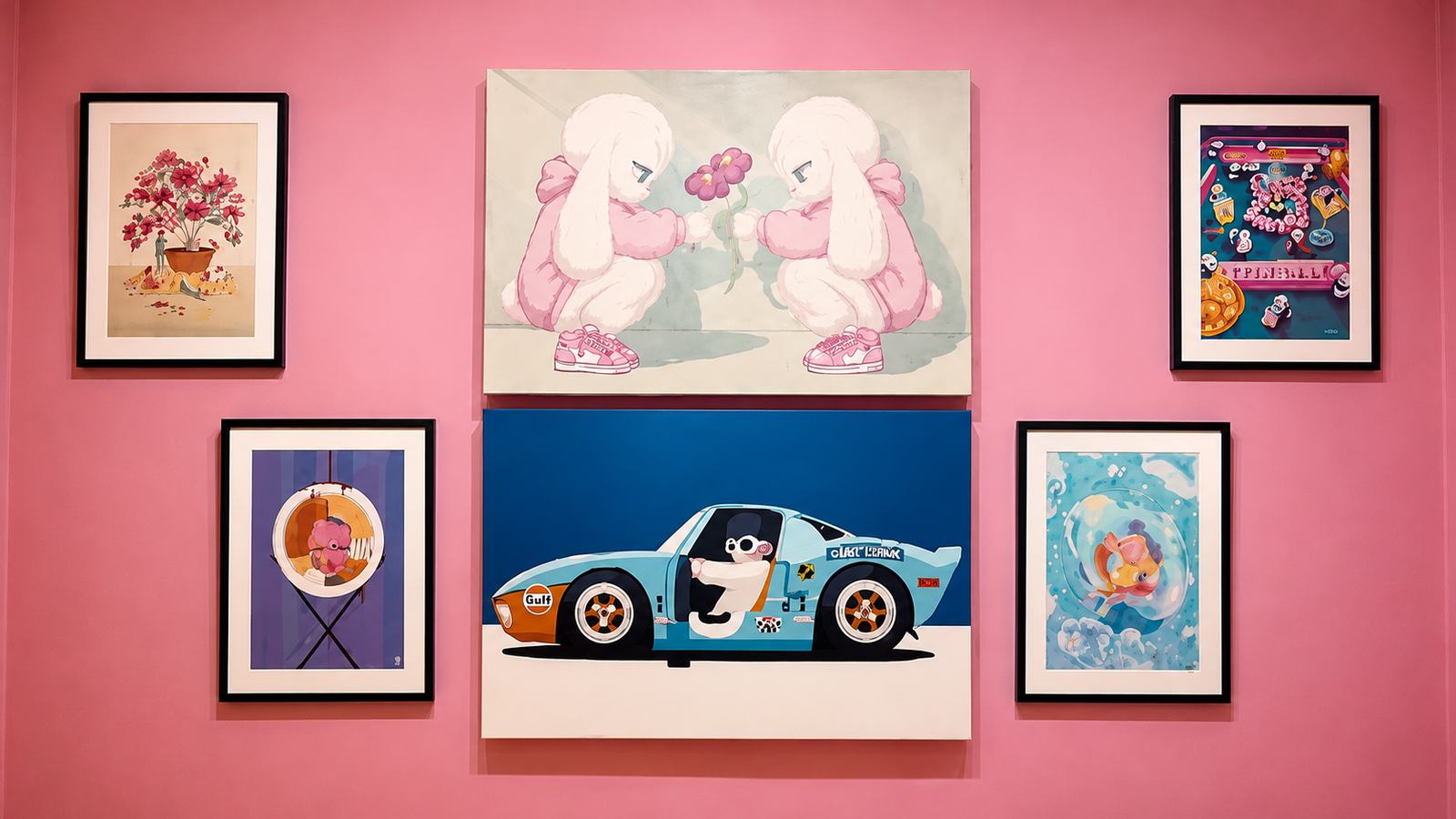
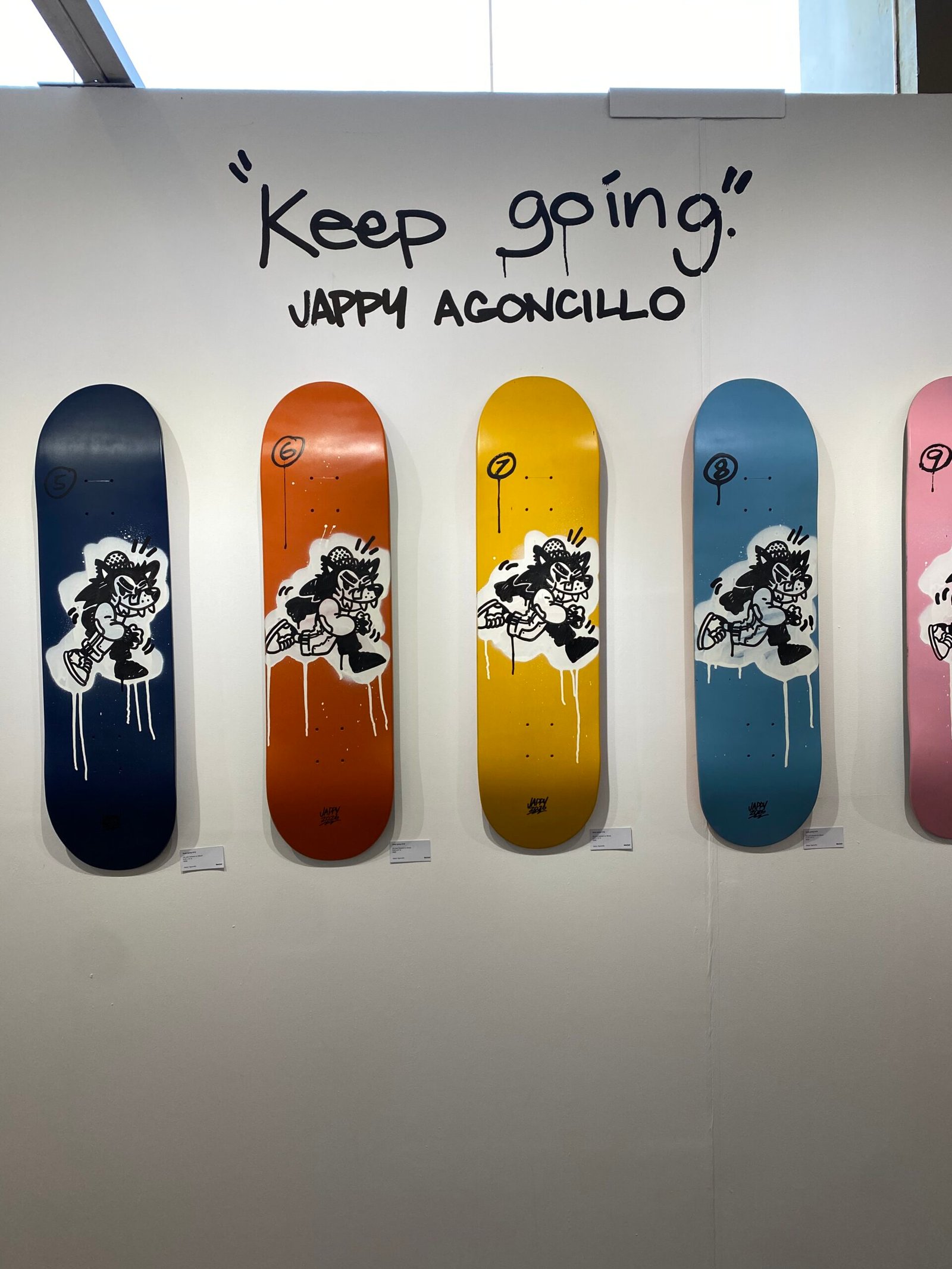
Their booth contained both self-published comics and National Book Award-winning graphic novels and even stickers priced from PhP 30.00 to PhP 50.00 as MoCAF was intended for entire families, where the parents could admire or collect an Orlina (one was being sold for PhP 2.6M), the children could join a workshop after engaging with Jomike Tejido’s playful paintings, and teens could hobnob with komikeros and skaters and check out their works, too.
Amidst such a huge range, from veterans to mid-career artists to emerging artists, from paintings to art toys, painted skateboards, comic books, and prints, a common thread was taste. The organizers behind MoCAF didn’t just look at provenance or seniority, but also mastery regardless of age and background.
Art and creativity, after all, are as natural to human beings as eating and breathing.
.
.

Alike was created to inspire, built on society and storytelling — it’s curating the best features of the country’s brightest luminaries, orchestrating events catered towards the country’s top, to showcasing the finest gems in art, lifestyle, and culture.
Alike is the next generation, the movers, the shakers of today.
We are Alike.