

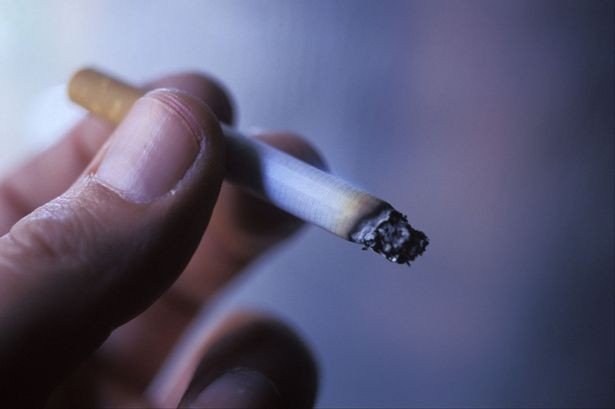
This list will not include the chronological and biologically-correct process of what happens to your body after 30 minutes, one hour, a week, or seven years after you quit smoking. Chances are, medical facts aren’t persuasive enough, considering how boxes of cigarettes still fly off the store shelves despite graphic images of cigarette-induced diseases on the packaging.
Whether you’re a long-time smoker looking to quit, or someone who’s tried but gave into their third relapse, it’s always a good time to stop. Here are a few of the best tips on how to overcome your addiction as advised by those who successfully have.
Tell your smoking buddies
A lot of smokers can attest that social smoking is one of the top reasons of their increased daily cigarette count. Sometimes, you wouldn’t have lighted the extra stick if it wasn’t for the socialization that comes with it.
Telling your friends will earn you more people to remind and cheer you on. If they can’t support your decision to live a cleaner lifestyle, it only means that your rapport is founded merely on smoking.
Don’t focus on what you’ll lose. Look at what you’ll gain.
Aside from your smoking buddies, you’re also going to have to let go of cigarette break conversations, “me time”, an after-meal stick, a quick stress-reliever. Instead of fretting over losing these small moments, focus on the new experiences you’ll have in place if these.
Not feeling the need to smoke after lunch means more time to bond with the people you’re with. Finding new activities that are more productive and intellectually stimulating to spend your personal time to instead of smoking will also make you happier overall. Cigarettes don’t even actually relieve anxiety, so you’re losing nothing and instead gaining more time to relax, rehydrate, and rest. You’ll also be surprised at how much money you’ll save just by not having to spend for this vice.
Also, buying a pack almost looks as if one is looking to purchase for a hundred pesos either gangrene, lung cancer, still birth, or impotency. Add these illnesses to the long list of unneeded things you’ll wave good riddance to.

Avoid getting triggered
Taken from Steps to Manage Quit Day, know the situations that trigger you to smoke and avoid them. If you constantly find yourself chain-smoking during a drinking session, give the alcohol a hard pass until you know you can control your urges. If the scent of people smoking induces you to smoke as well, walk a different route. Avoid your go-to coffee shop with your favorite smoking spot, and hang out more with non-smokers.
Know the symptoms of nicotine withdrawal and prepare for them
Given that smoking is an addiction, the withdrawal symptoms you get are what makes quitting nicotine even more difficult. It should however be noted that preparedness is already half the battle. Before even going cold turkey, mentally prepare yourself for the things that will most likely happen depending on the severity of your reliance on nicotine. This way, you’ll be aware that what you’re going through is a natural process.
According to Darla Burke, she mentions in Everything You Need to Know About Nicotine Withdrawal that the symptoms include irritability, anxiety, intense cravings for nicotine, insomnia, weight gain, difficulty concentrating, or even mild depression.
The next time you get a sudden strong craving for a cig, the mind over matter mentality will tell you that it’s just a side-effect of quitting which will soon pass.
Ditch the substitutes
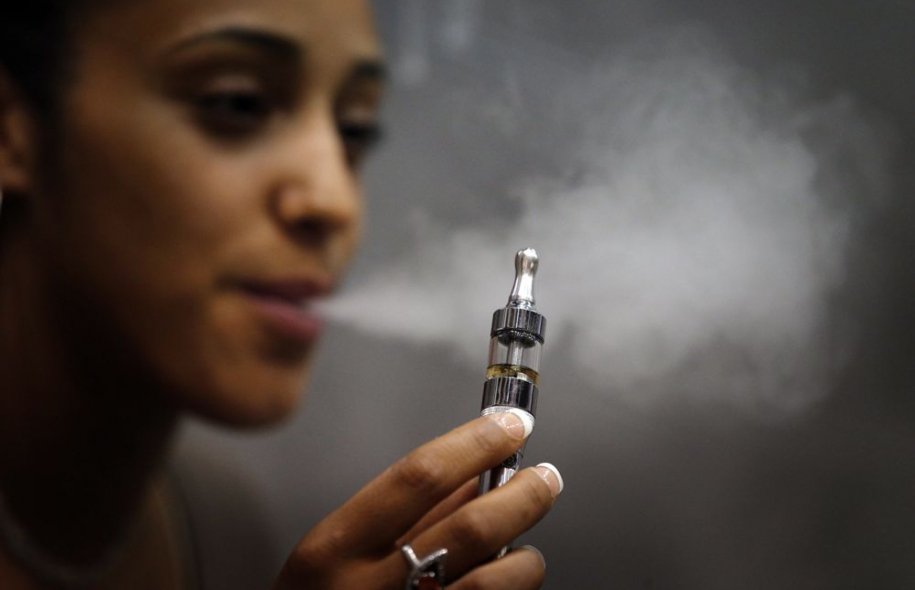
Many will suggest alternatives such as a nicotine gum, a nicotine patch, or e-cigs. Unless your friend is a Doctor of Medicine, don’t take heed of such advice. Finding replacements for cigarettes will only keep the habit and the addiction going. These alternatives will make you feel as if you’ve entered into a compromise with your nicotine dependence, leaving you with no real benefits and only half the satisfaction you would have if it were the real thing.
The only real substitute that you deserve in place of smoking cigarettes is living a healthier lifestyle.
Exercise
Nicotine withdrawal can sometimes lead to weight gain. Exercising helps keep you not just physically, but also emotionally fit. The best part? You eventually get your old lung capacity back.
Find your reason
Much like anything challenging you put your mind into in this life, reason is what will keep you going. Ask yourself why you are doing this. Why do you want to quit? If you are serious about switching to a smoke-free lifestyle, you will need a reason to anchor your commitment to. It could be to protect your family from second-hand smoke, or to free your lungs from the 70+ carcinogens contained in just one stick. Or, it could likewise be something as simple as wanting to be able to walk up a flight of stairs without it feeling like a triathlon.