
Technology is everywhere. What was once something very “new” to the world is now something that’s relatively accessible, and continuously innovating by the second. With all the tech surrounding us, an interesting thing has been happening around the world. Brands, objects, and activities that were once considered dated are now making a comeback, reclaiming their relevance to people who have — just recently — stored them in their upper drawers.
Which ones have you been seeing lately?
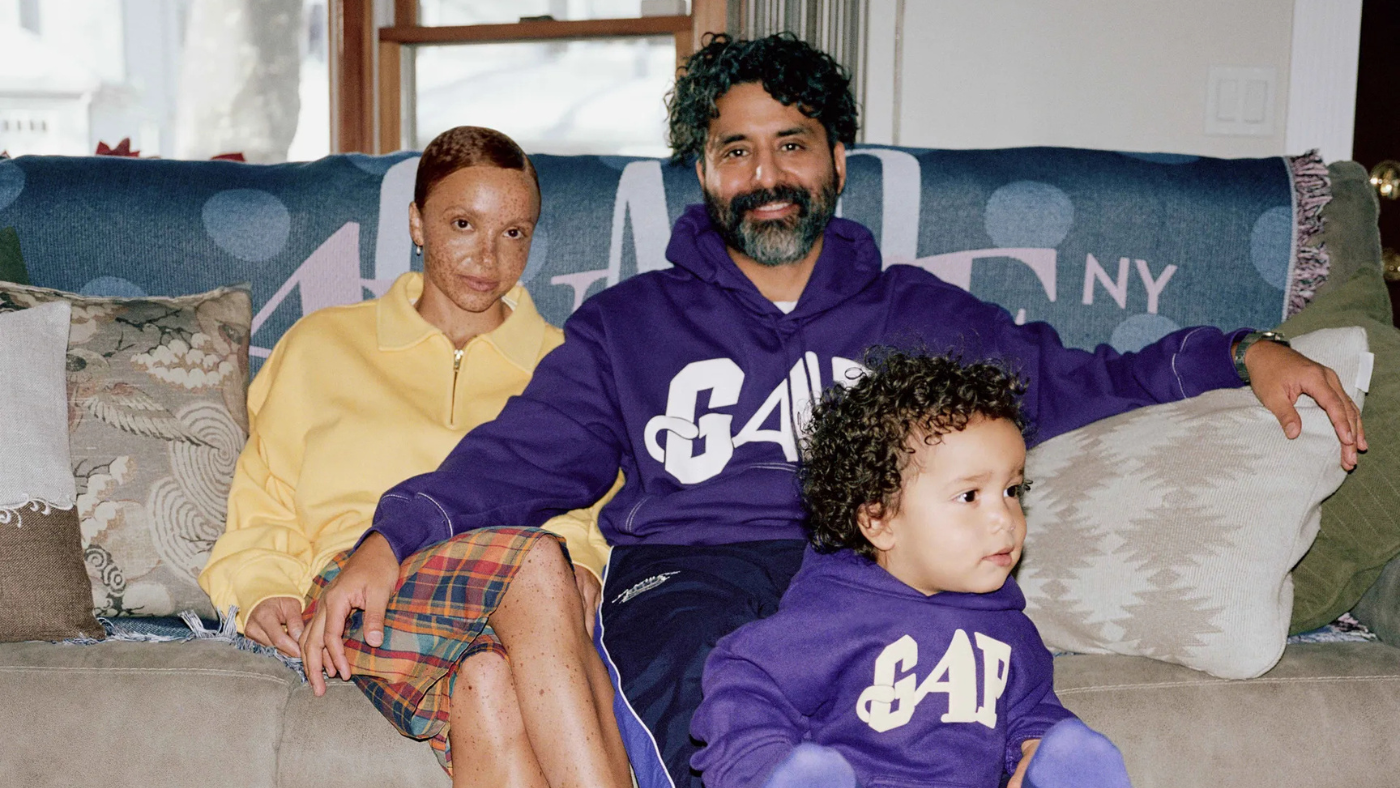
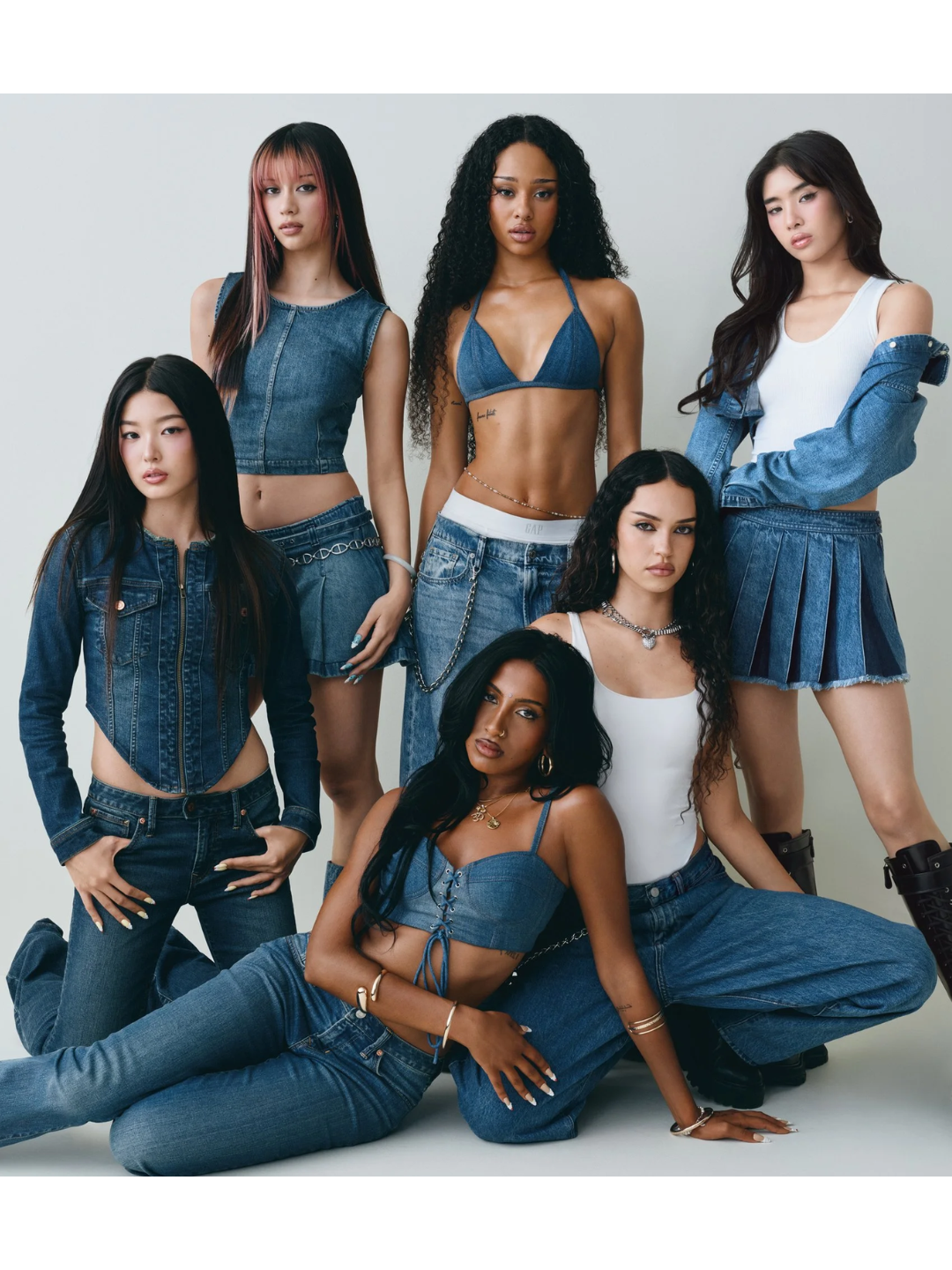
GAP: Embracing What It’s About
GAP was founded in 1969, gaining nods for their fit and comfort. Its popularity eventually placed it alongside some of pop culture’s biggest names, with Naomi Campbell appearing in its campaigns in the ’90s and Madonna in the early 2000s. With fashion being well— fast, brands like Forever 21, Zara, and Uniqlo, became either the more practical or more interesting choice. Faster turnaround, as well as trendier offerings caught the attention of people.
Not that those aren’t relevant factors now, but as Gap’s heritage became part of its brand, a new audience took interest. Its familiarity now became a strength, almost like a tangible moment in time, that people want to be a part of. With Katseye now in the mix, it gains even more relatability, but also reminds people what the brand is all about – recognizable basics, personalities and pop culture.
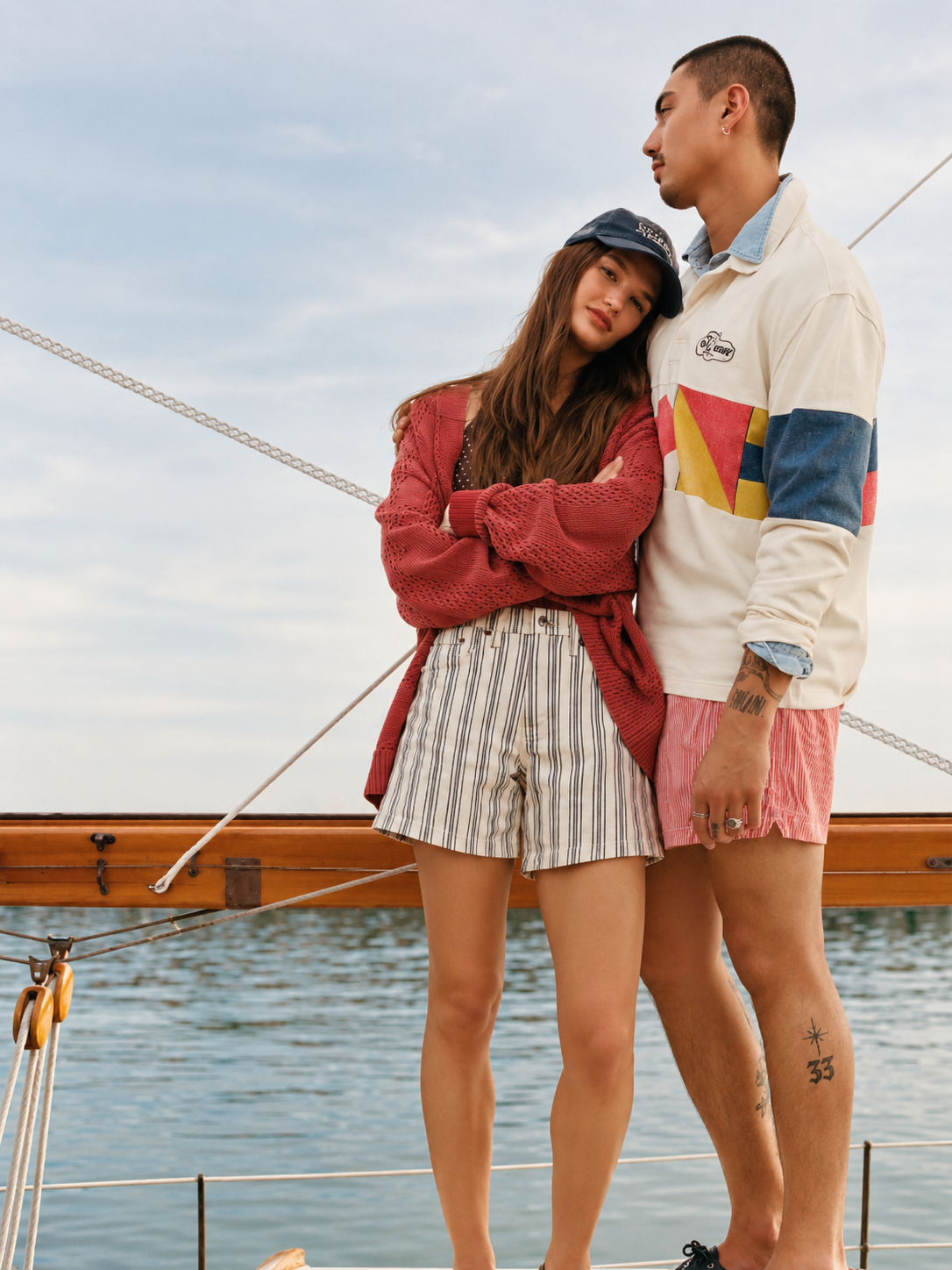
Abercrombie & Fitch : Its Audience Grew Up, And So Did The Brand
Its 2000s identity was extremely specific: dark stores, loud music, heavily sexualized advertising, preppy youth culture and an intentionally exclusive image. Its revival required letting much of that identity go. People who once represented that era, were now in a different place in their lives, with different needs, including the thing that they wore. With this in mind, Abercrombie repositioned itself around elevated, relatively accessible adult clothing: trousers, dresses, wedding-guest outfits, workwear, basics and lifestyle pieces. The result was a resurgence in sales and renewed relevance among many of the same consumers who had grown up with the brand. But Abercrombie didn’t exactly turn its back on its past. In 2026, Abercrombie revived a collaboration with Sperry rooted in a relationship dating back to the 1930s, something that their audience can now connect to.
So, yes, this is an example of how a brand can grow up, while retaining its identity and not losing track of what made it exist in the first place.
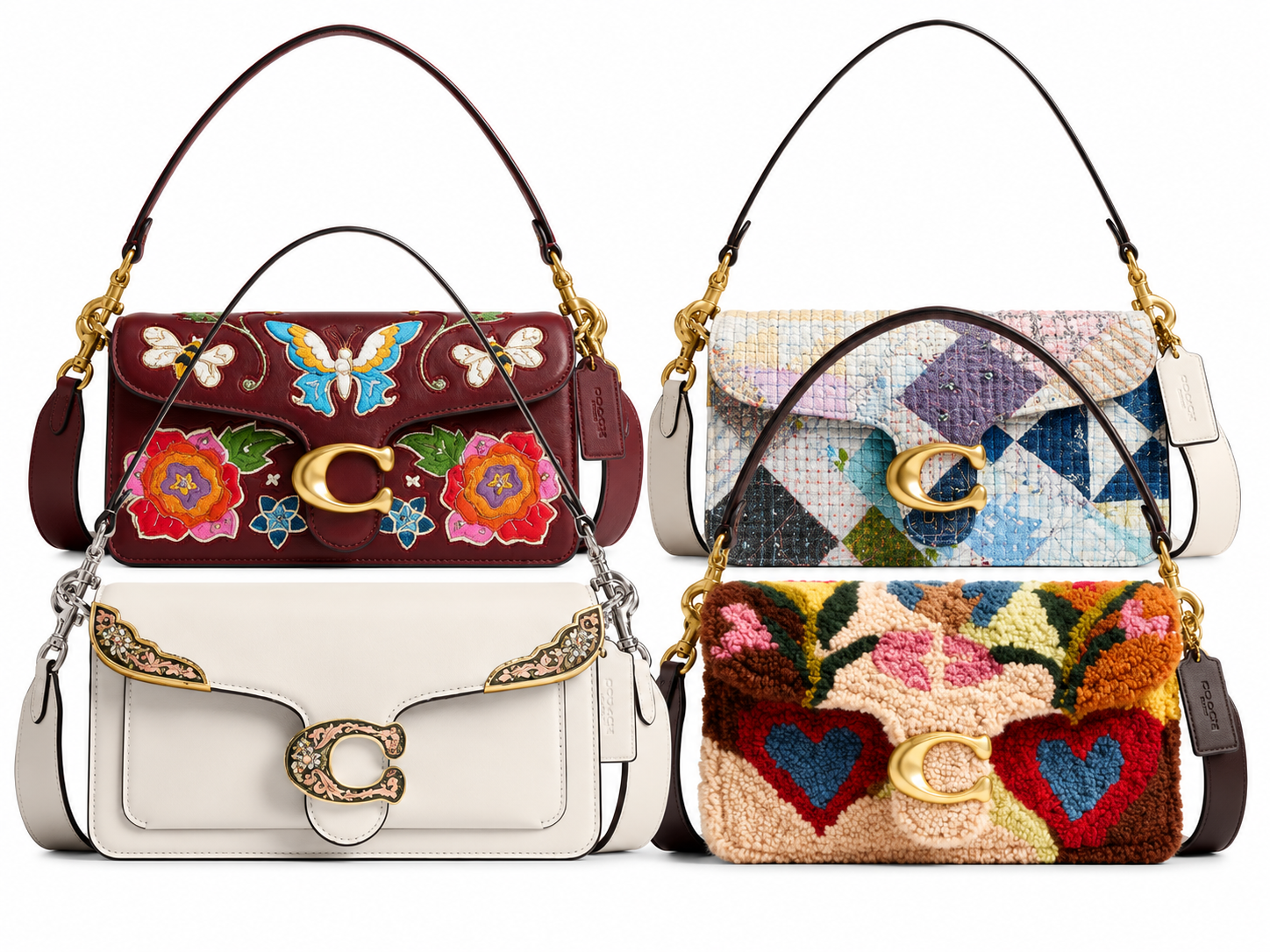
Coach : Reigniting Its Story
Coach is one of the most recognizable names in American fashion. Everybody knows it. But what’s a brand without a clear identity?
When other fashion houses like Gucci, Prada, and Hermes became the holy grails of people, Coach found itself competing in a market increasingly defined by European fashion houses. Somewhere along the way, the styles that made Coach distinctly Coach became less clear. When a Brand loses sight of its story and identity, the brand disappears.
Rather than trying to imitate European luxury houses, Coach began emphasizing what it already had: New York identity, leather craftsmanship, archival shapes and relatively attainable luxury. Products such as the Tabby and Brooklyn bags gained attention and momentum built.
Now, Coach is back on the runway, shining more than ever, under the spotlight.
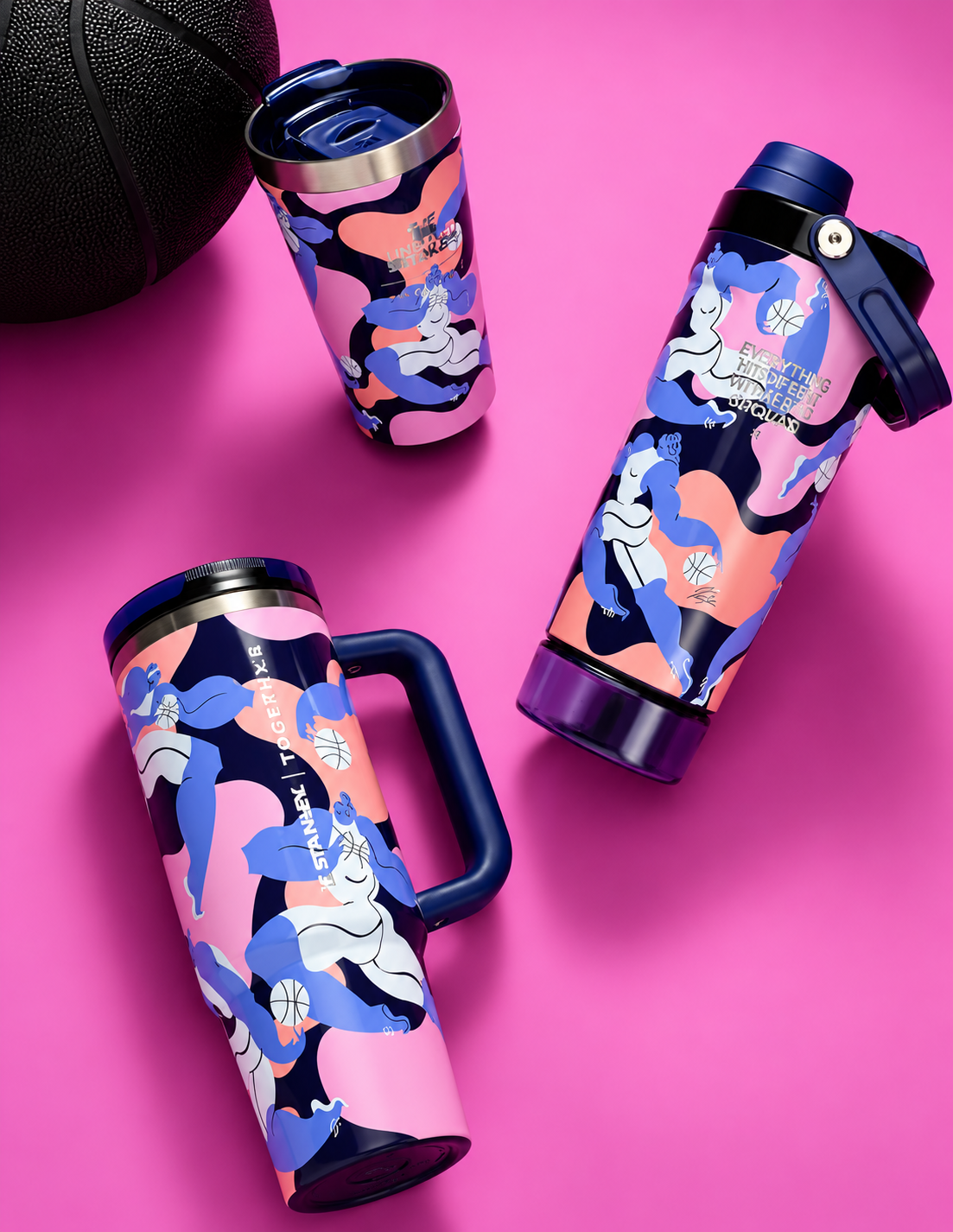
Stanley 1913: Still Tough, But Built in Style
How cute are these? But guess what? They’re built to last—for a long time.
Stanley still brings the same heavy-duty insulation technology that made the brand famous into even its most colorful and playful releases today.
The brand was born in 1913, when inventor William Stanley Jr. combined vacuum insulation with the strength of steel to create the first all-steel vacuum bottle. For decades, Stanley stood as a symbol of tough, dependable gear associated with blue-collar work and outdoor adventures. In many ways, it still does—but now with a much cuter, trendier twist.
With collections associated with BLACKPINK’s JENNIE, Olivia Rodrigo, and another cultural icon, Barbie, Stanley has transformed into a sought-after accessory and everyday ally that somehow just makes sense for the world today.
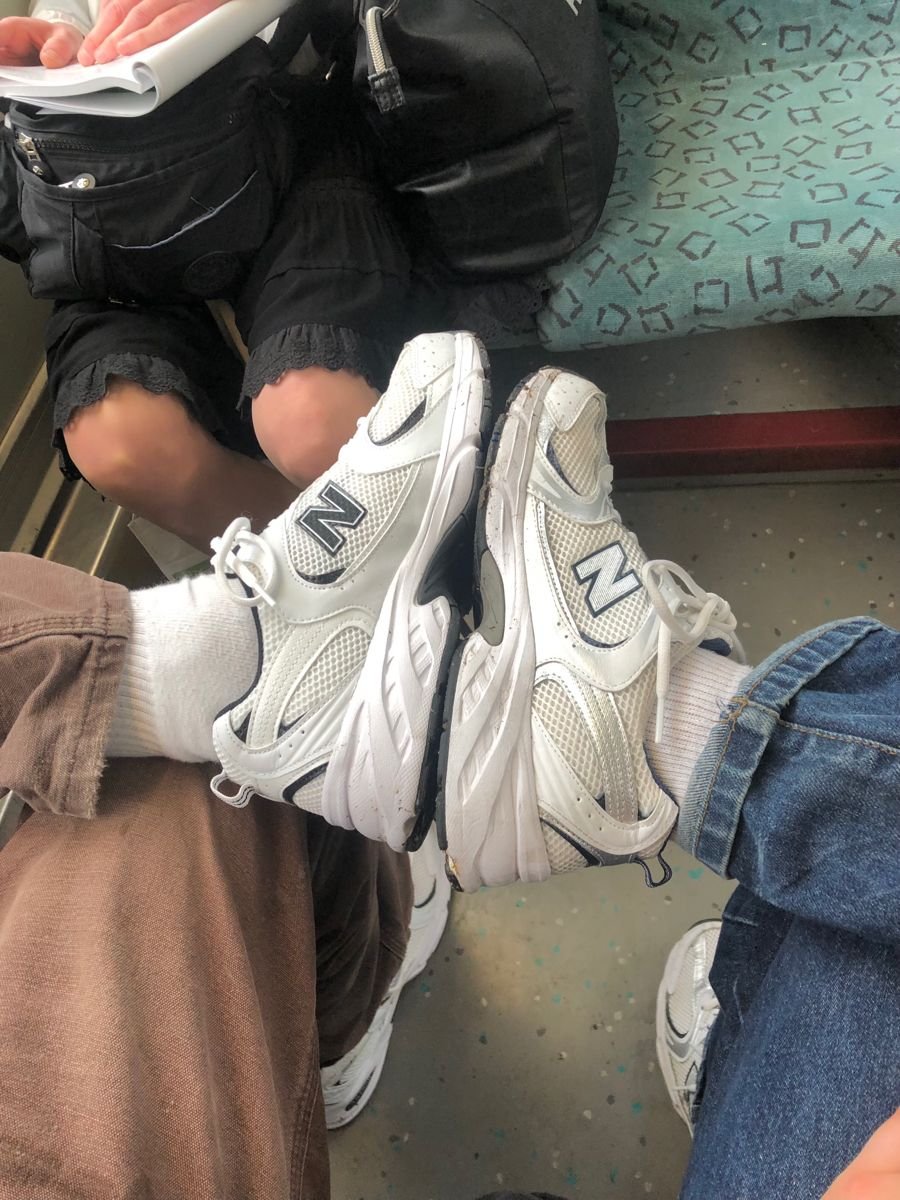
New Balance: People Have Found a New Way to Look Dishevelled
Relaxed and chill. Yes, New Balance has got your back!
Chunky dad shoes just seem to go well with any casual outfit you can think of. Now that plain shirts and clean silhouettes make a typical “comfort outfit”, a pair of New Balances seem to provide the perfect aesthetic contrast. It also sends the message of the wearer being in their comfort zone or chill vibe. Incidentally,
So, yes. As the word welcomed back sneakers into their wardrobe in fitness, athleisure, and casual needs, New Balance found its footing once again. It didn’t even really have to reinvent itself really. It simply found a new way to be cool and the everchanging world of style.
So what does this mean?
The stories are different. Some brands changed, some evolved, and some simply needed to remember why people loved them in the first place.
But something seems to recur in every renaissance, every resurgence, and every comeback: people look back.
The things that happened decades ago continue to shape new generations, while also finding their way back to the people who experienced them the first time around.
Humans will always be human. We will always look for great stories, meaningful connections, and memories that help shape who we are. Legacy brands carry pieces of those memories with them. They represent moments in time that still hold value, even years later.
And perhaps that is why certain things never truly disappear.
When something is meaningful, its story has a way of finding its way back.

Alike was created to inspire, built on society and storytelling — from curating the best features of the country’s brightest luminaries and orchestrating events catered towards the country’s top, to showcasing the finest gems in art, lifestyle, and culture.
Alike is the next generation: the movers, the shakers of today.
We are Alike.