
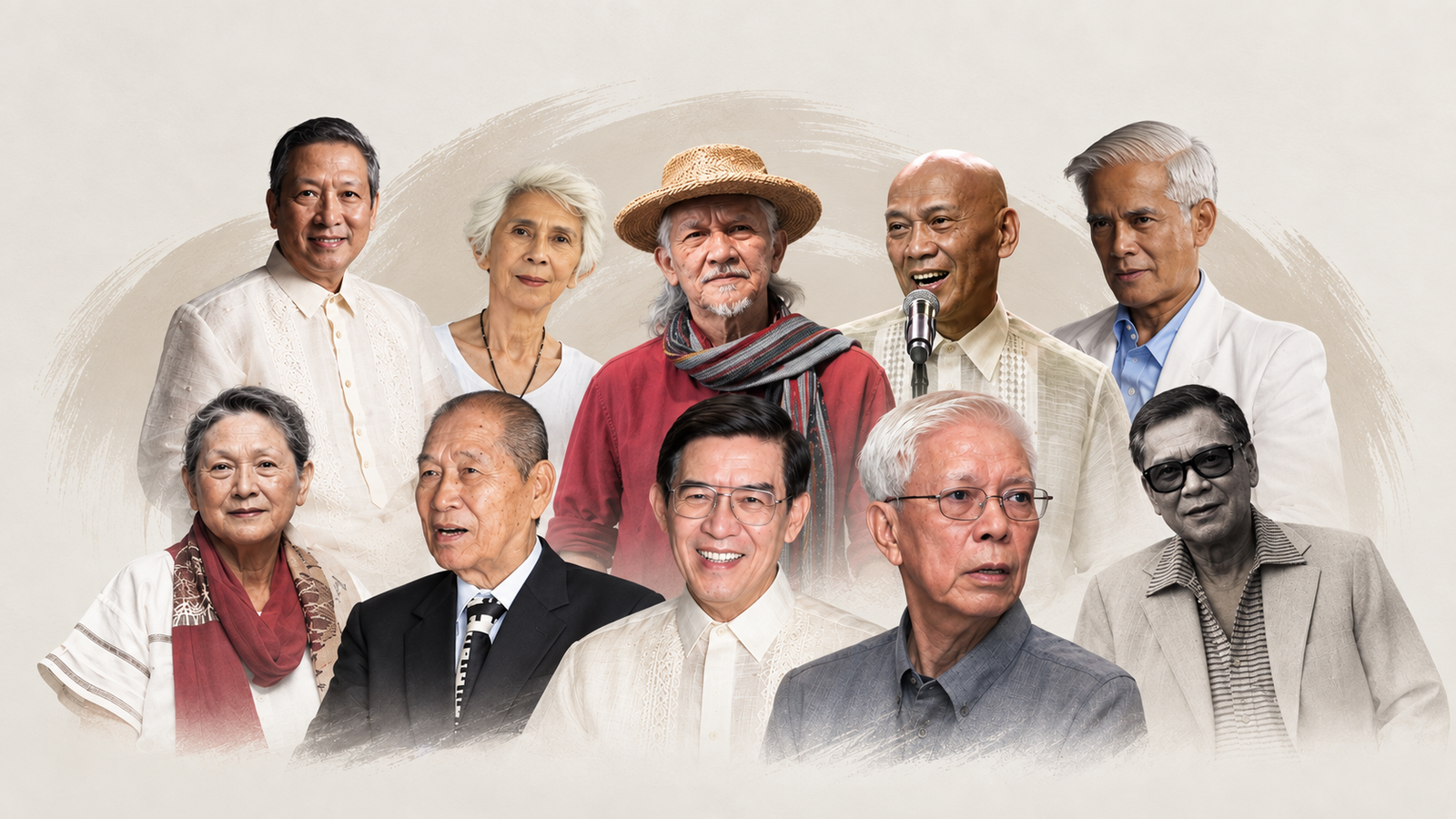
When we talk about national artists, it can be easy to think of names from textbooks or works that feel distant from everyday life, but art is often much closer than we realize.
Through Proclamation No. 1414 s. 2026, Pres. Ferdinand “Bongbong” Marcos Jr. named 10 new national artists, officially recognizing their contributions to the development of Philippine art. Looking at their work, what stands out are their efforts to keep Filipino culture both visible and relevant today.
There are those who preserved traditions, while others challenged social realities or found new ways to showcase the country.
Together, their legacy is proof that being recognized as an icon is not just earning a title or being remembered. It’s about leaving a print on history and influencing the way Filipinos understand,
as well as experience the Philippines.
Nonoy Froilan (Architecture)
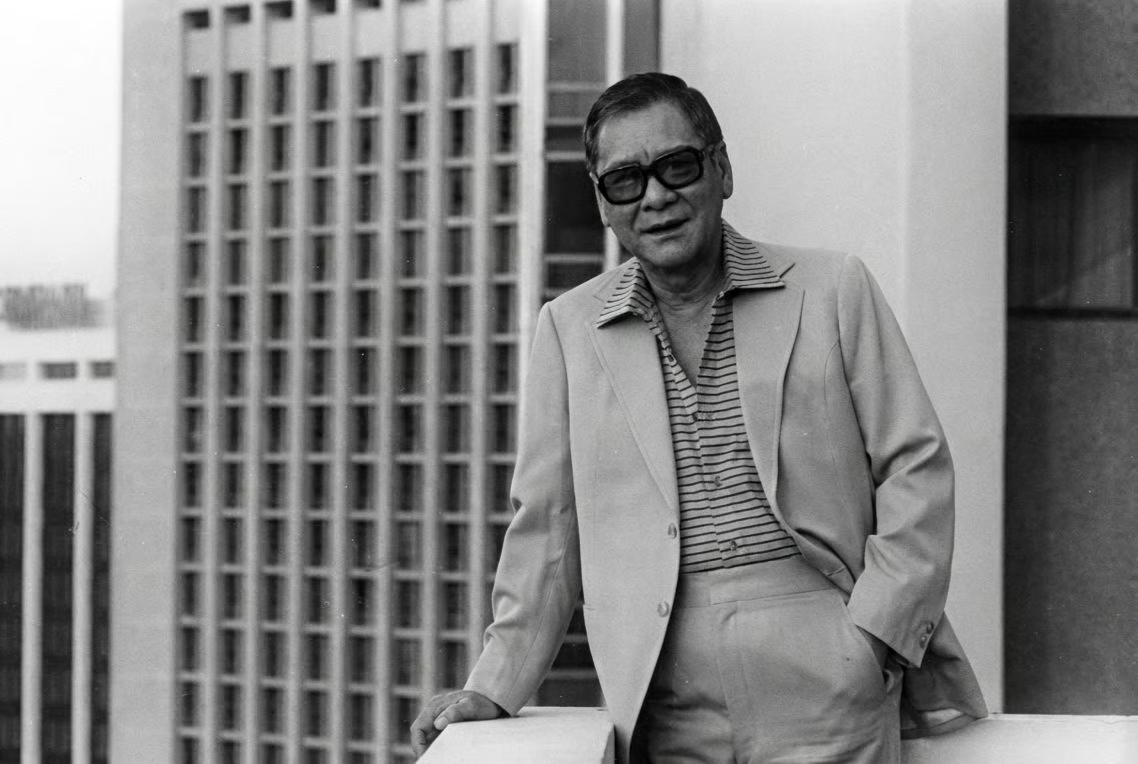
Architecture is one of those art forms that people experience every day. For Formoso, that meant creating spaces that would eventually become familiar parts of the Philippine landscape. He began his architectural practice in 1939, with projects including the Manila Garden Hotel and the Peninsula Manila in Makati.
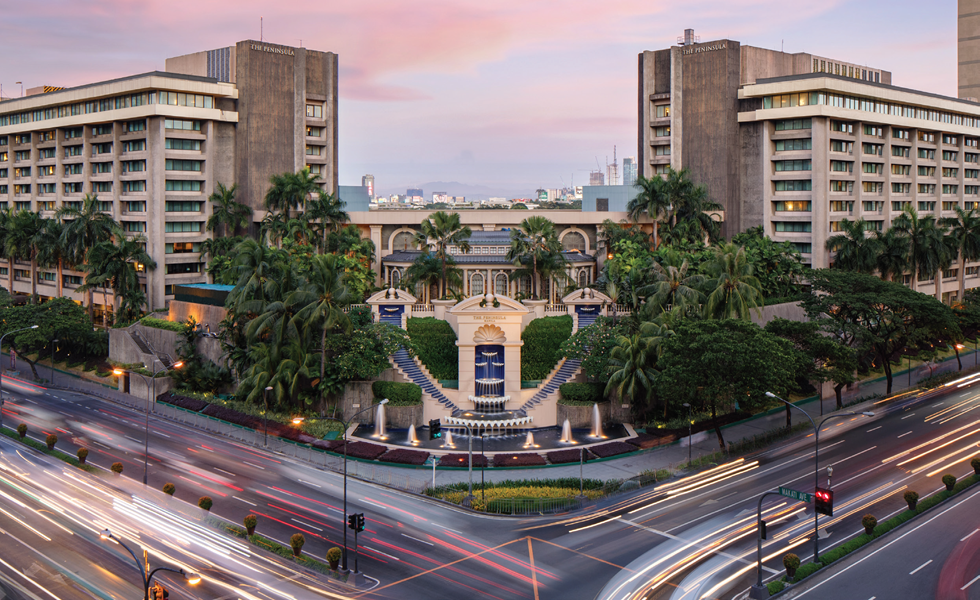
His influence also extended beyond the buildings he personally designed. GFP Architects, organized in 1973, continued the practice and went on to work on projects including Shangri-La at The Fort and Okada Manila.
What makes Formoso’s recognition interesting is the lasting nature of architecture, with his work becoming an avenue for people to experience more of what life has
Nonoy Froilan (Dance)
From first being exposed to the world of dance through school programs, Froilan graced his way to both national and international stages. Apart from becoming one of the country’s leading male
ballet dancers, he also portrayed notable roles like Siegfred in “Swan Lake.”
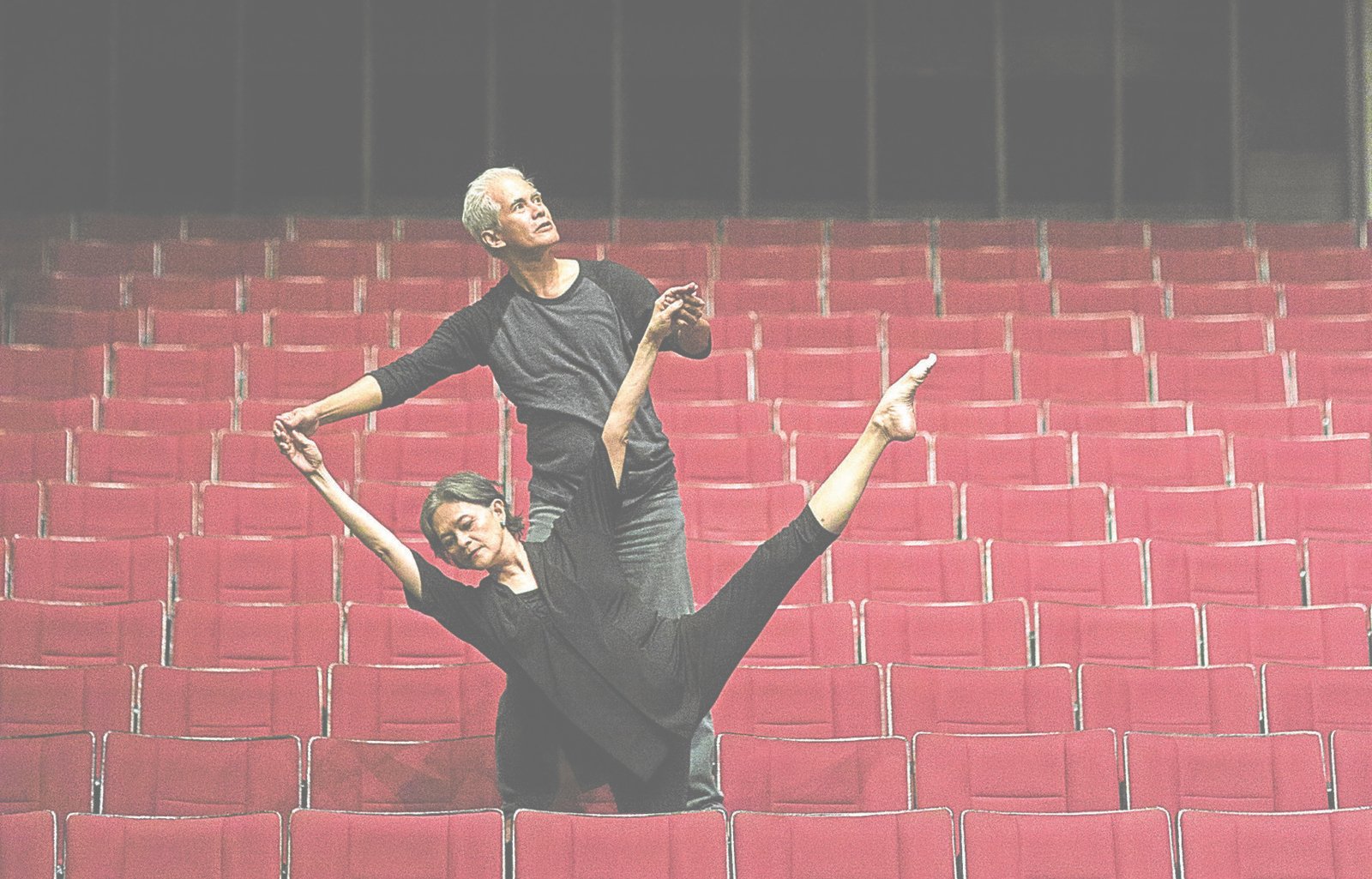
As with all performances, shows eventually had to end but Froilan’s contributions did not stop when the curtain fell. He continued to share his talent through teaching, ensuring that dance is
something that could be passed on from one generation to the next.
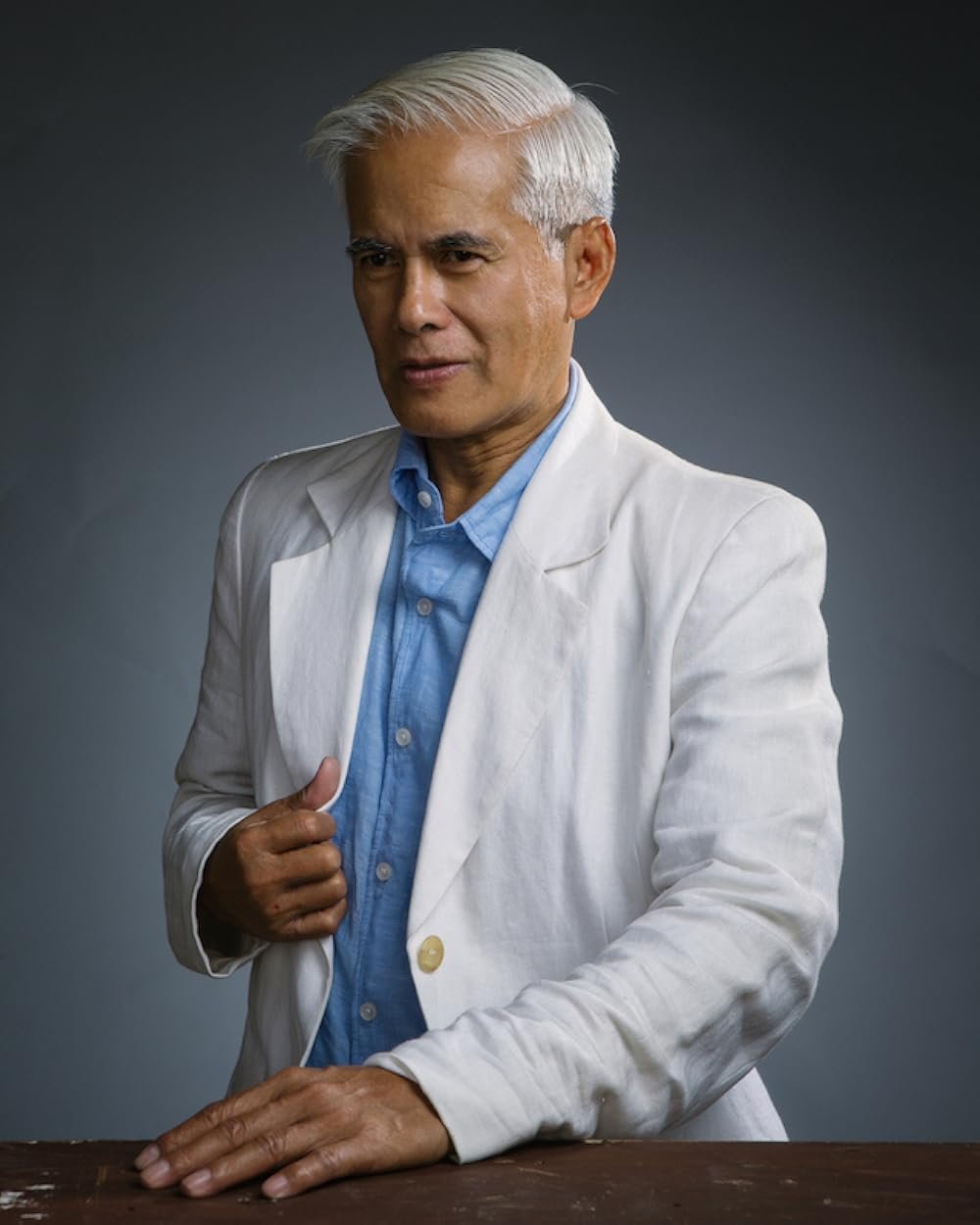
Patis Tesoro (Fashion Design)
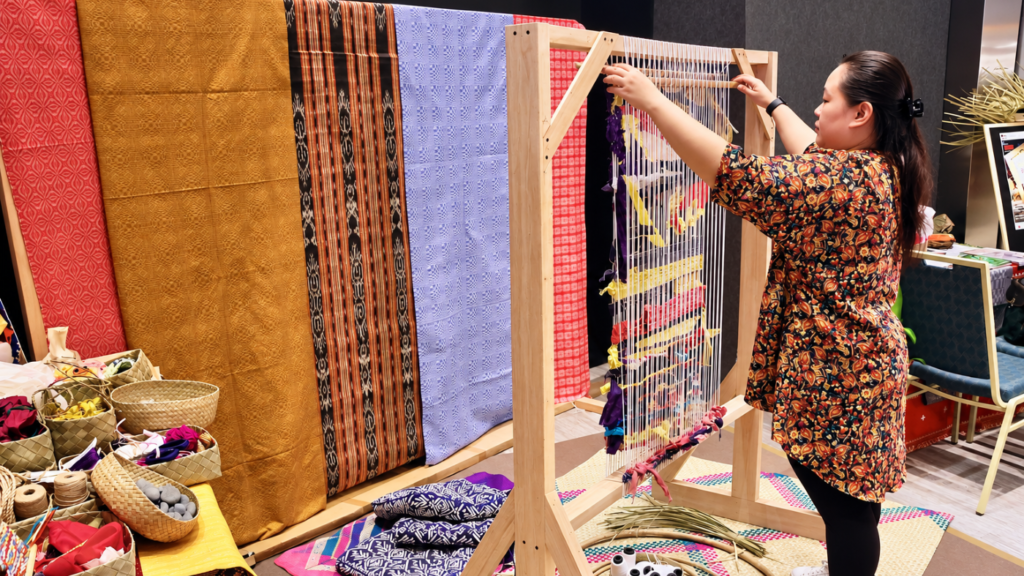
Tesoro built a career around something deeply Filipino: clothing and textiles. Rather than treating traditional Filipino wear as something frozen in the past, she explored ways to give the Filipiniana new looks while retaining its cultural character.
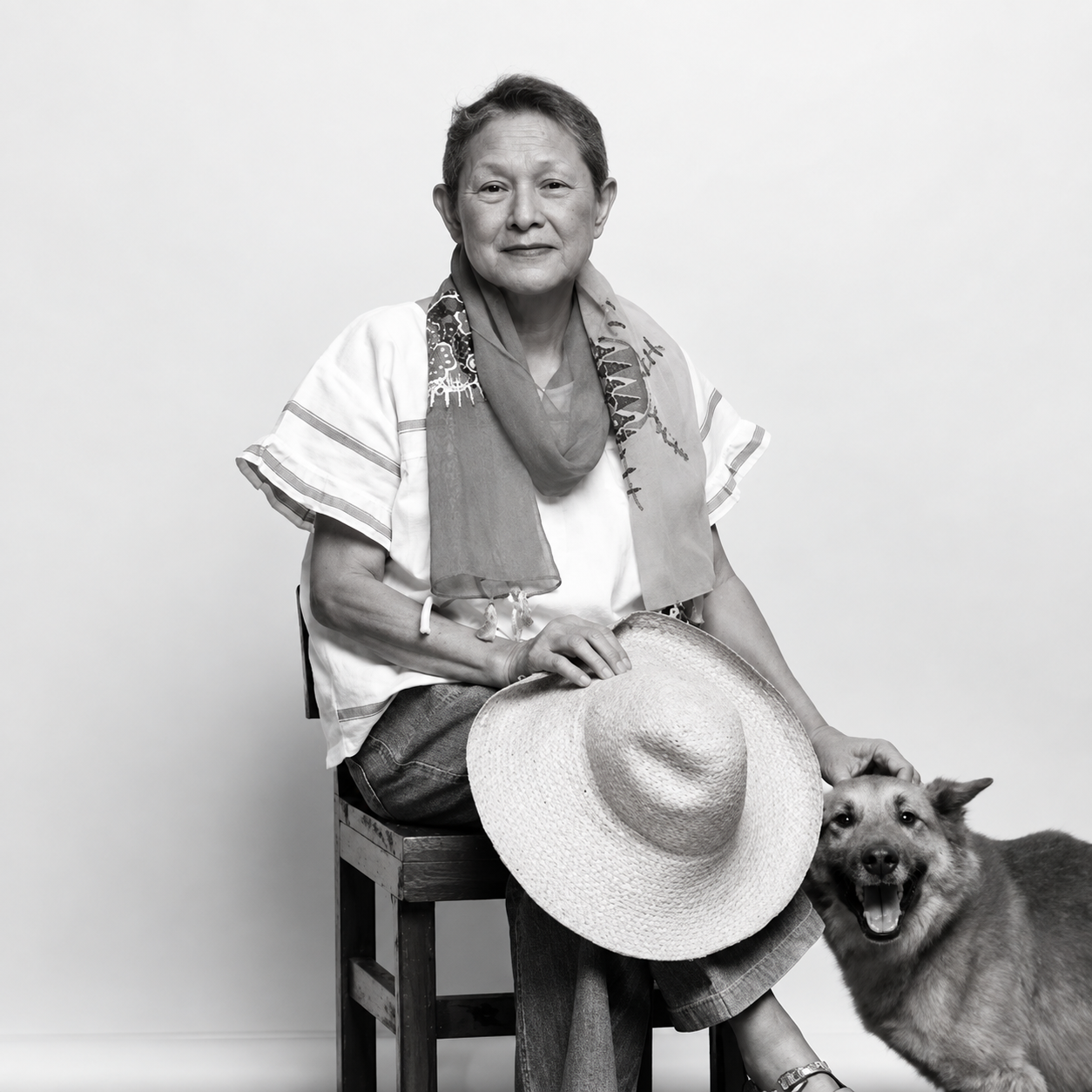
That approach is important because culture changes along with the people who carry it. Tesoro’s work, usually featuring textiles and embroidery, presents the Filipiniana as something that can remain classic yet appropriate for the modern Filipina.
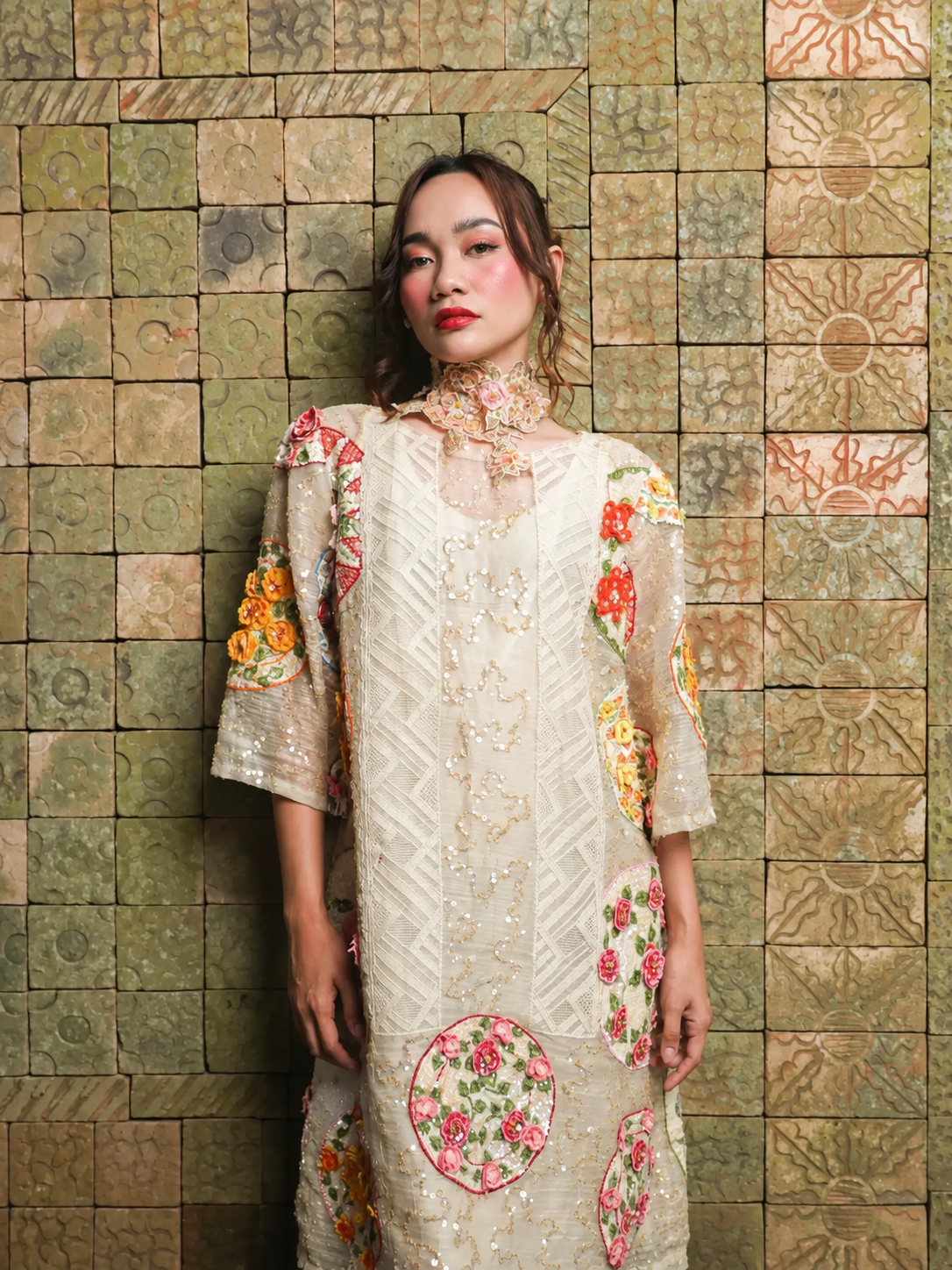
Her recognition shows that preserving culture does not necessarily mean keeping it unchanged. Sometimes, keeping a tradition alive means finding ways for people today to continue wearing,
using, and appreciating it.
Armando “Bing” Lao (Film and Broadcast Arts)
Lao is known as a screenwriter, a director, and a pioneer of Philippine independent cinema. He introduced the “Found Story” approach, which centers on raw human experiences rather than relying on conventional storytelling formulas. His works include “Tuhog,” “La Vida Rosa,” “Takaw-Tukso,” and “Sana Pag-ibig Na.”
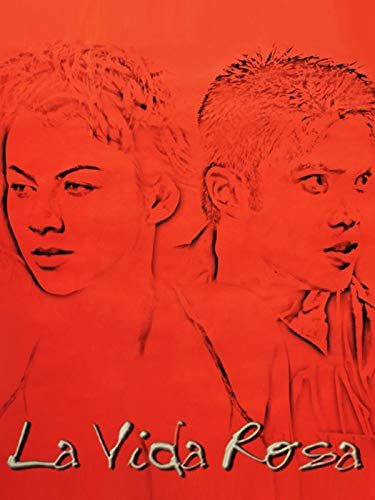
Not every Filipino story fits neatly into a polished or commercial narrative, and Lao’s work helped create space for stories that might otherwise be overlooked. His recognition reflects the importance of filmmakers who broaden what Philippine cinema can cover and how those stories can be told.
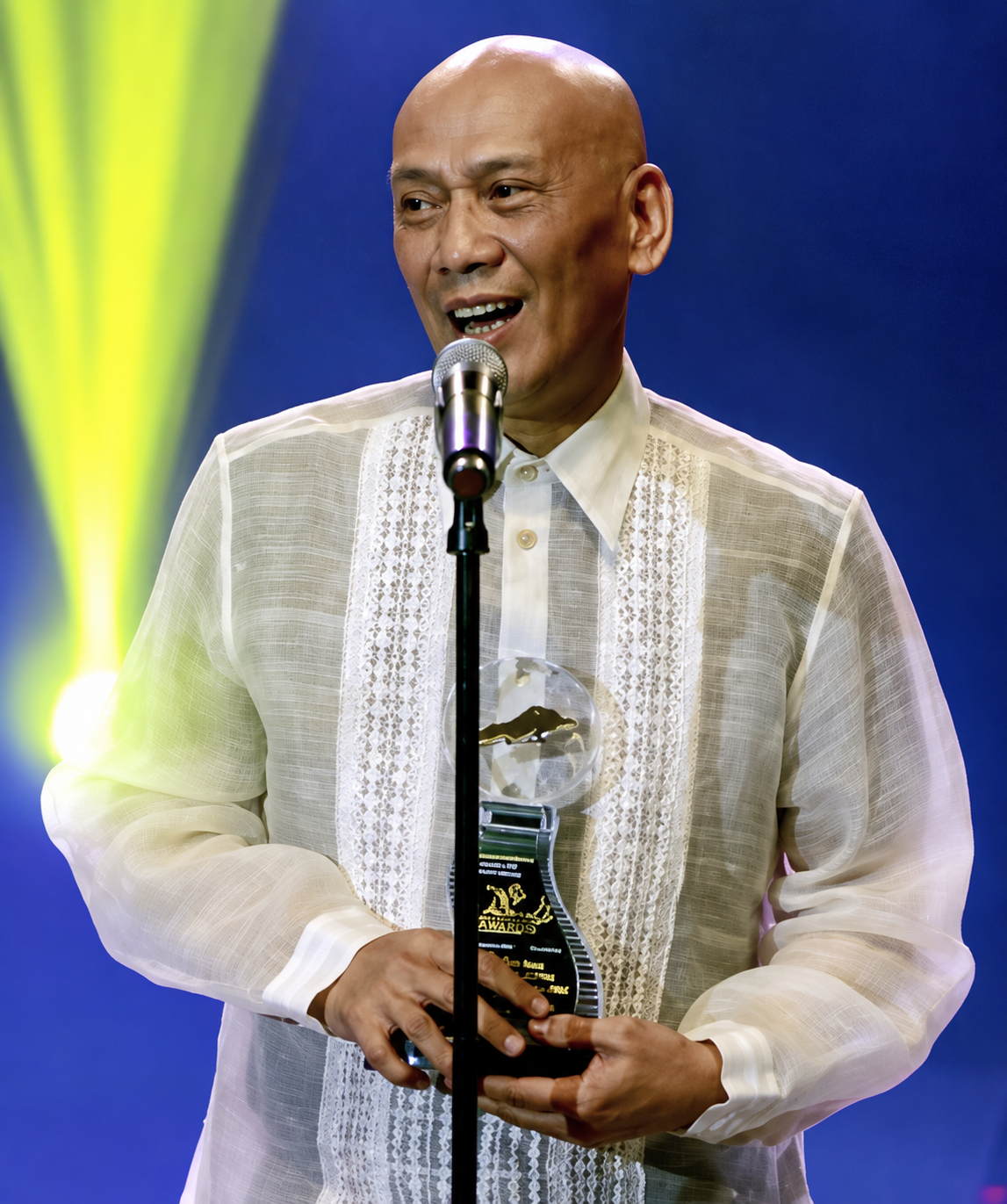
Gregorio Brillantes (Literature)
Brillantes spent decades showing the range of what Filipino writing can do. Beyond storytelling, reportage, and critical commentary, he became known as a major figure in Philippine speculative fiction through short stories that incorporated science fiction and fantasy.
His works such as “The Cries of Children on an April Afternoon in the Year 1957” and “The Flood in Tarlac” demonstrate how Filipino literature can explore worlds beyond the familiar.
Brillantes expanded the possibilities of what Filipino writers could imagine and, in doing so, helped show that Philippine literature could also have a place in speculative fiction.
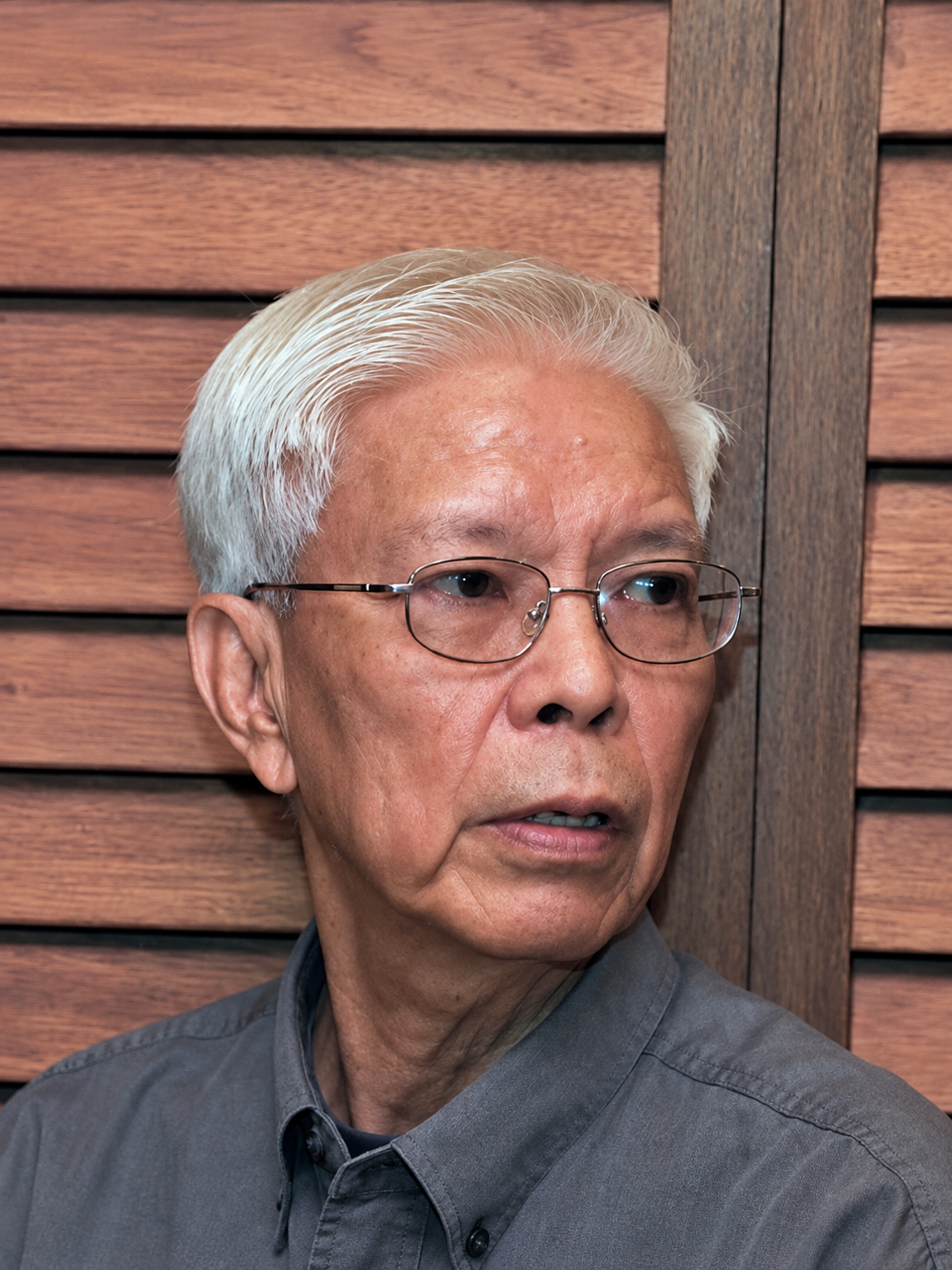
Nicanor Tiongson (Literature)
Tiongson is widely known for his scripts that translate history into plays, which also feature harsh realities that continue to challenge society. He has published books on Philippine theater forms, as well as publications on Philippine cinema.
His recognition highlights how art can be a way of remembering and examining the country. By bringing history, Filipino language, theater, and film into his work, Tiongson helped make culture
something to be studied while also keeping it alive through creative expression.
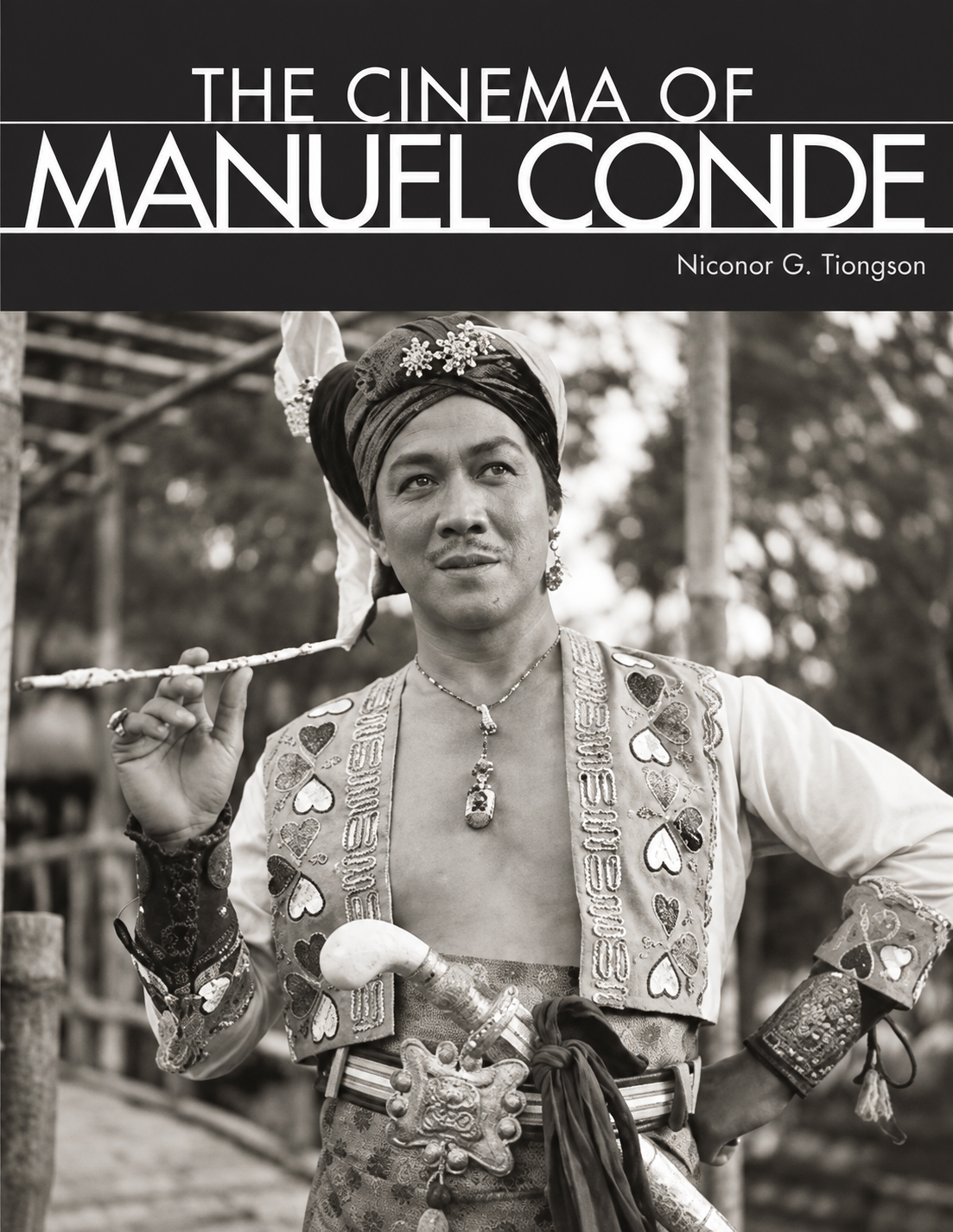
Additionally, Tiongson is celebrated for advocating for the Filipino language. He was one of the first scholars to write their masteral theses and doctoral dissertations in Filipino. Among his works are “Mabining Mandirigma,” “The Urian Anthology,” and “The Cinema of Manuel Conde.”
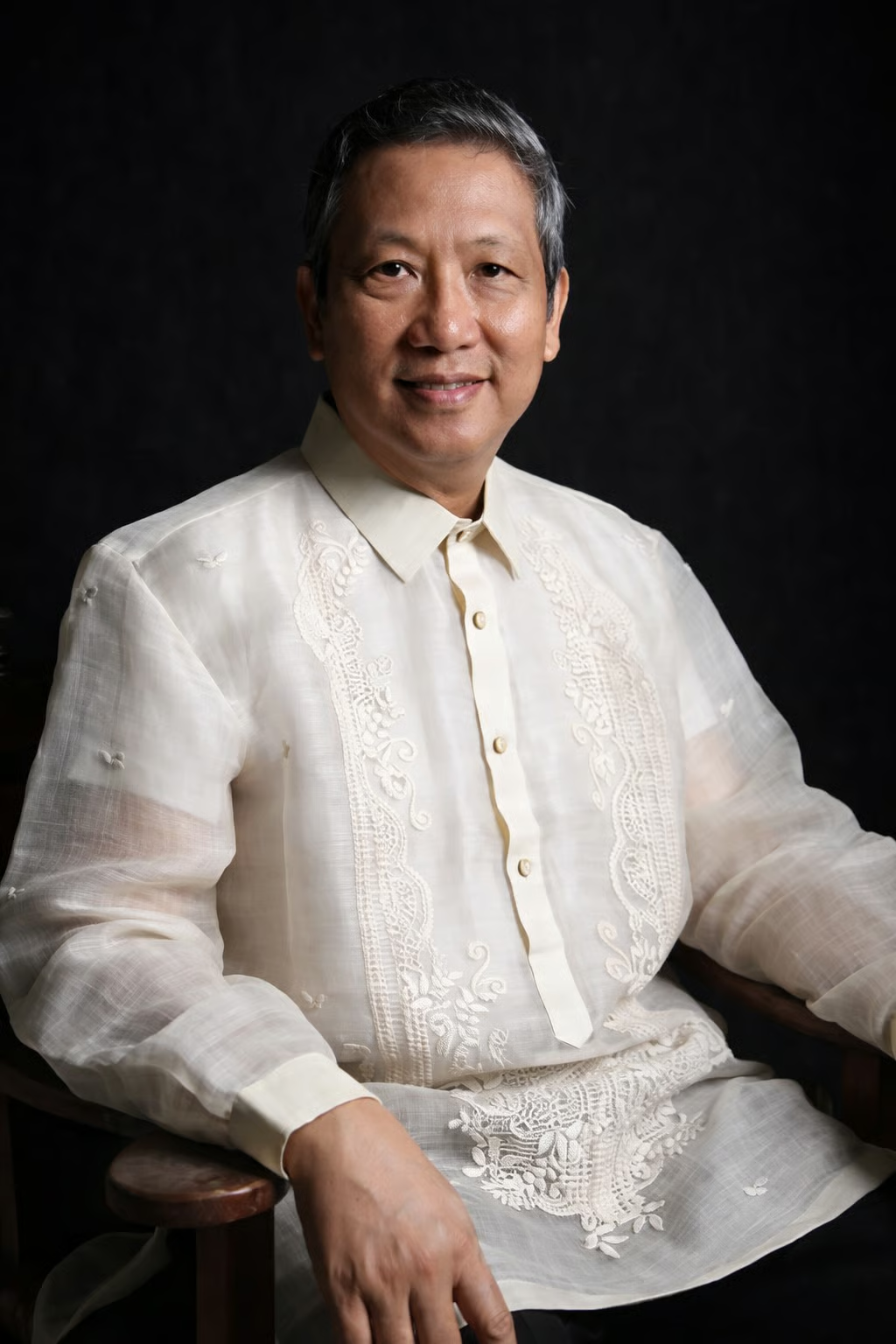
Fred Buenaventura (Music)
A composer and conductor, Buenaventura is considered a pillar for developing Philippine classical music. Through his creations that include operas and symphonic poems, such as “Maria Makiling” and “Kayumanggi Symphony,” the artist championed local history and folklore
Buenaventura was also dean of the Centro Escolar University’s Conservatory of Music for 30 years, integrating indigenous motifs into formal courses and mentoring generations of Filipinos. What stands out is how he connected two worlds that can sometimes seem far apart: classical music and Filipino heritage.
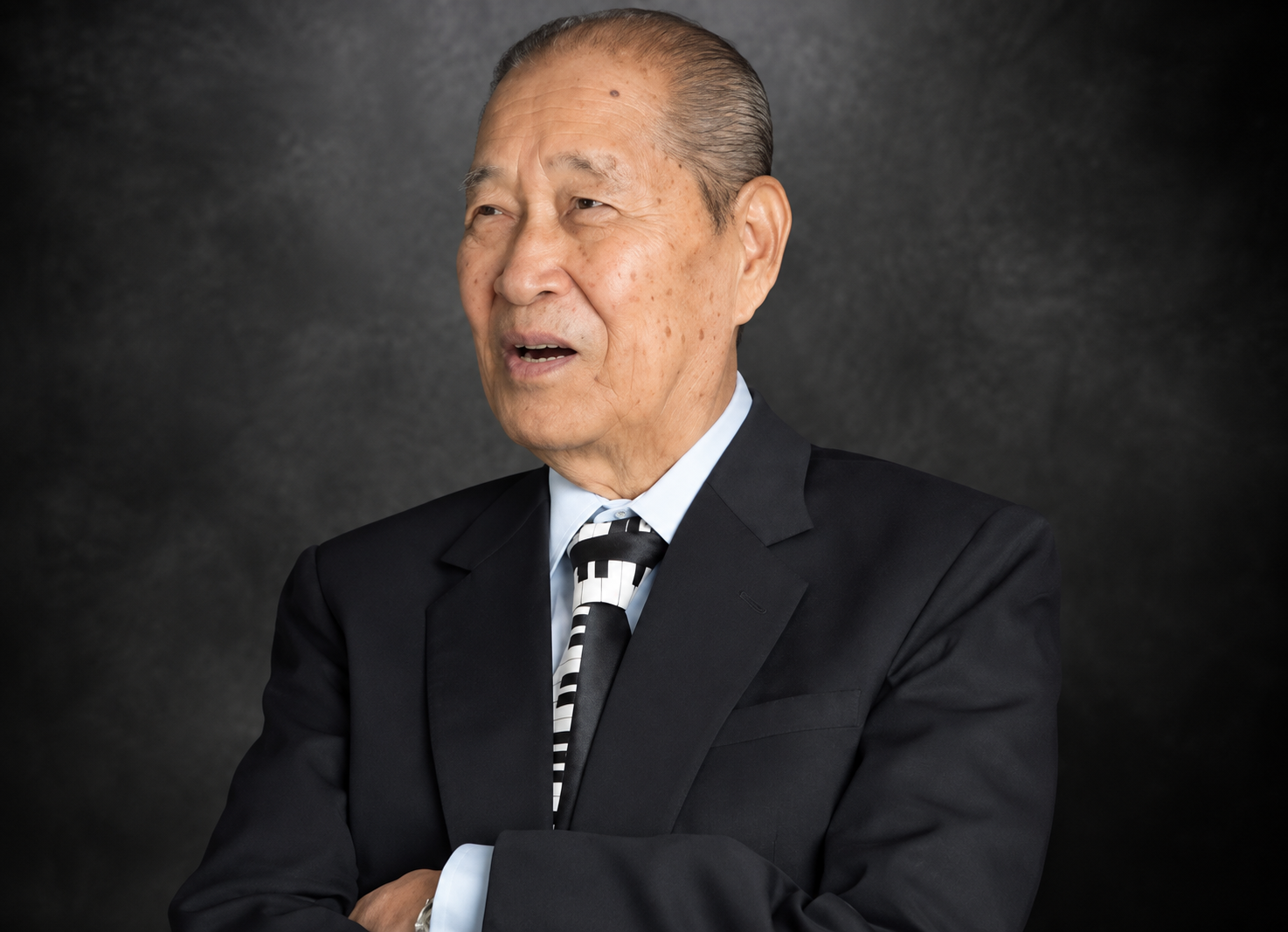
His work demonstrates that local stories and indigenous influences can have a place within formal musical traditions.
Teddy Hilado (Theater)
For his expertise in transforming a set into a whole new world, Hilado was dubbed as the father of lighting design in Philippine theater. From his use of lighting direction and colors to convey
emotions, those who have seen the late artist in action would describe every bit of it as perfect and at par with international standards.
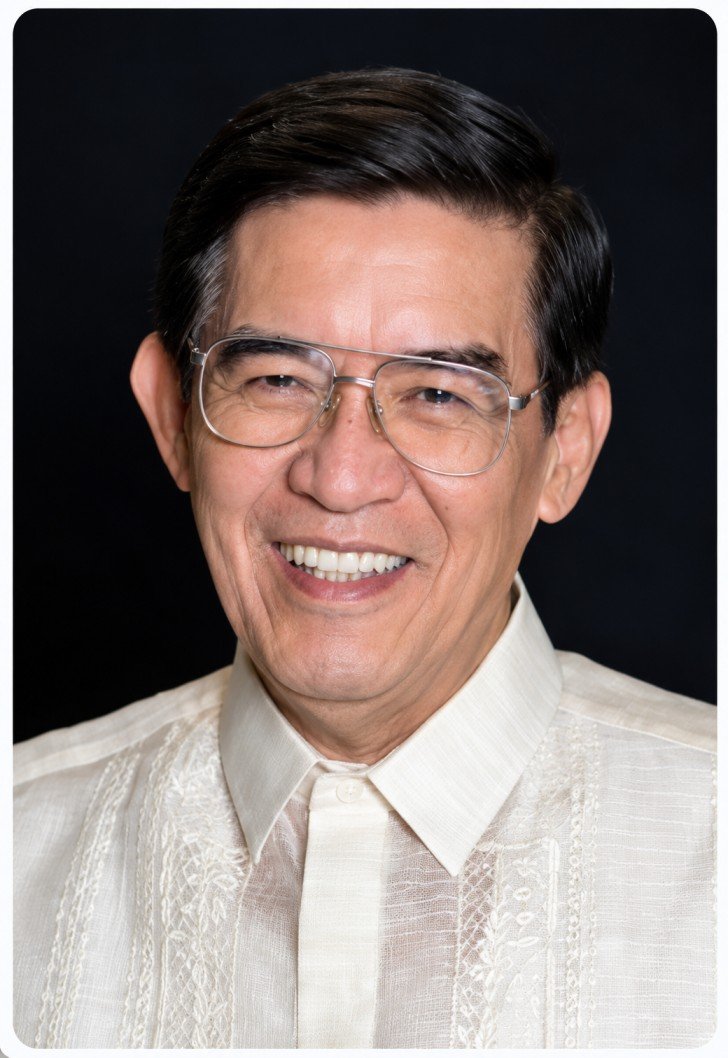
His contribution is a reminder that art does not always have to be the obvious things. Sometimes, it’s the artist and the details you barely notice that make a stage come alive.
Apart from contributing to theater, Hilado was also the brain behind some architectural lighting. His portfolio includes lighting for several churches in the Philippines.
Imelda Cajipe Endaya (Visual Arts)
Endaya is the first woman to become a national artist in the visual arts field. Since the 1970s, she has been using her craft to depict various social issues including human rights. She has also kept her art both womanly and Filipino by featuring items from home and popular culture.
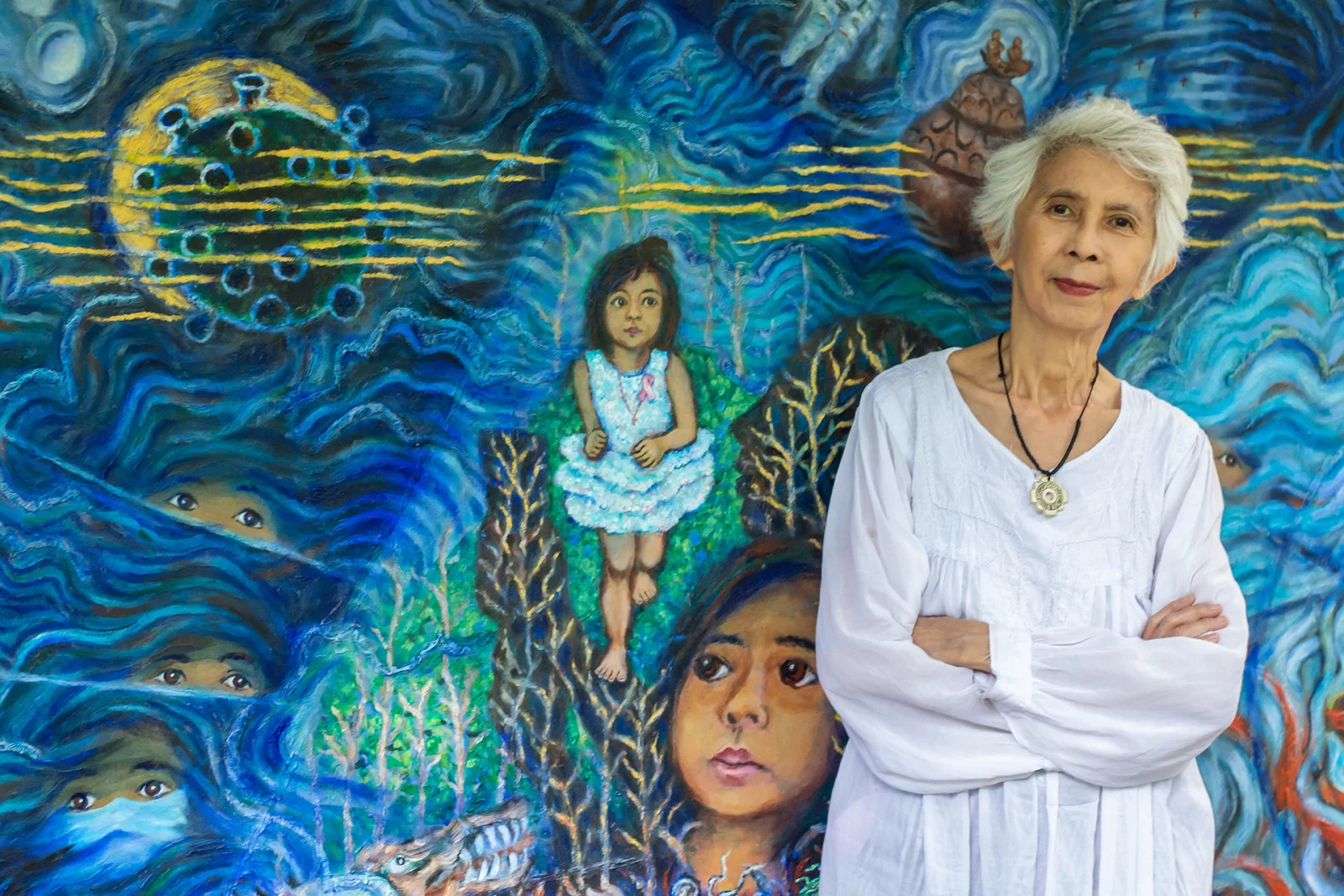
The national artist’s works are in the collections of the Bangko Sentral ng Pilipinas, the Cultural Center of the Philippines, the National Gallery of Singapore, the Philippine National Art Gallery,
and the Fukuoka Asian Art Museum, among others.
Her work stands out because apart from representing Filipino life, it responds to it. By bringing social realities and cultural identity into visual art, Endaya shows how artists can reflect the issues and experiences that shape society.
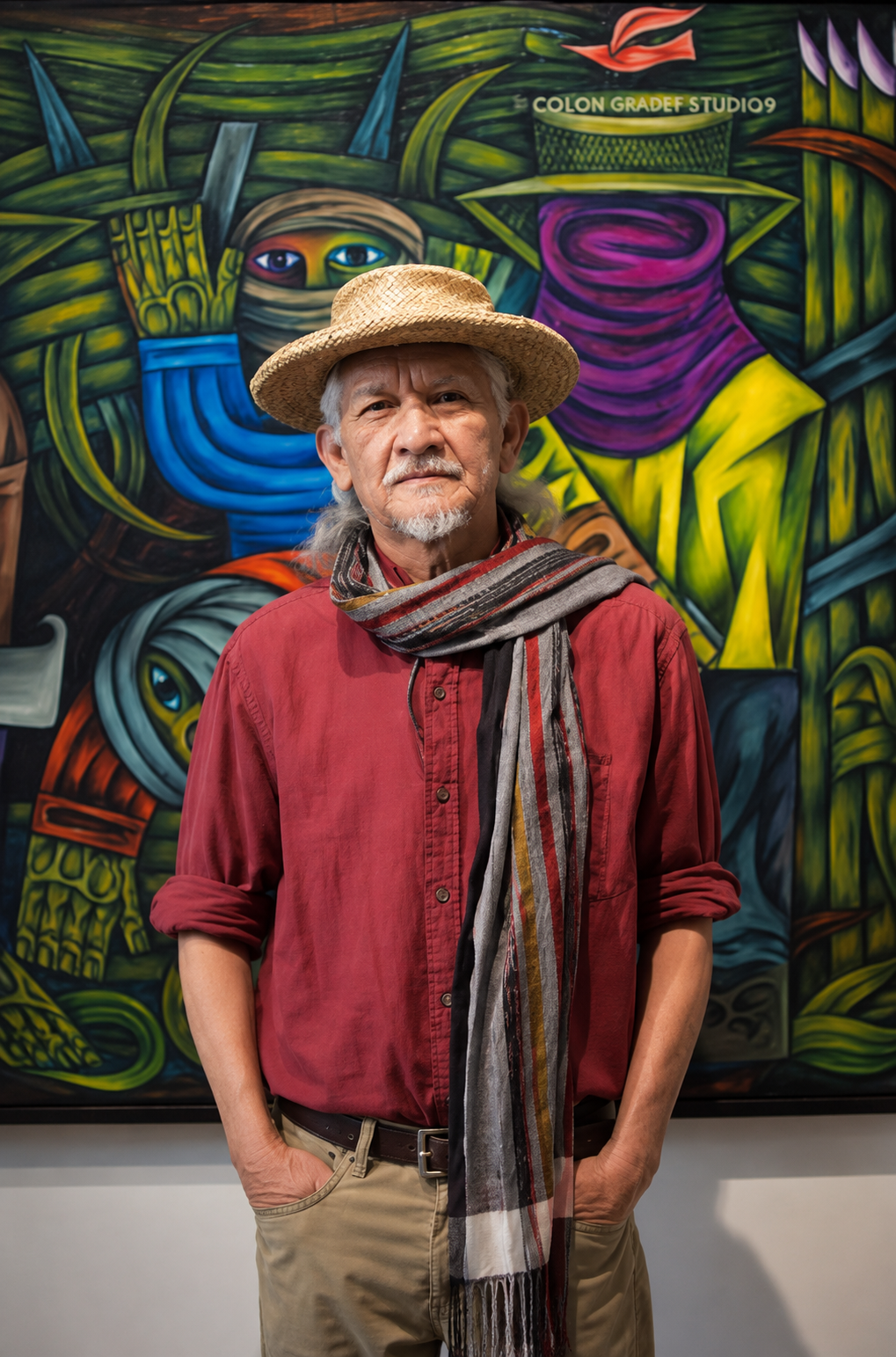
Nunelucio Alvarado (Visual Arts)
Widely known for his paintings and drawings, Alvarado ensured that every stroke and color is a representation of the ever-changing Philippine society. Born in Negros Occidental, some of his works also featured the disparity between the rich and the poor in the province.
What makes Alvarado’s work relevant is its willingness to look at the country beyond idealized images. His art engages with inequality and social change, offering viewers another way of seeing the realities that exist alongside the Philippines’ cultural richness.
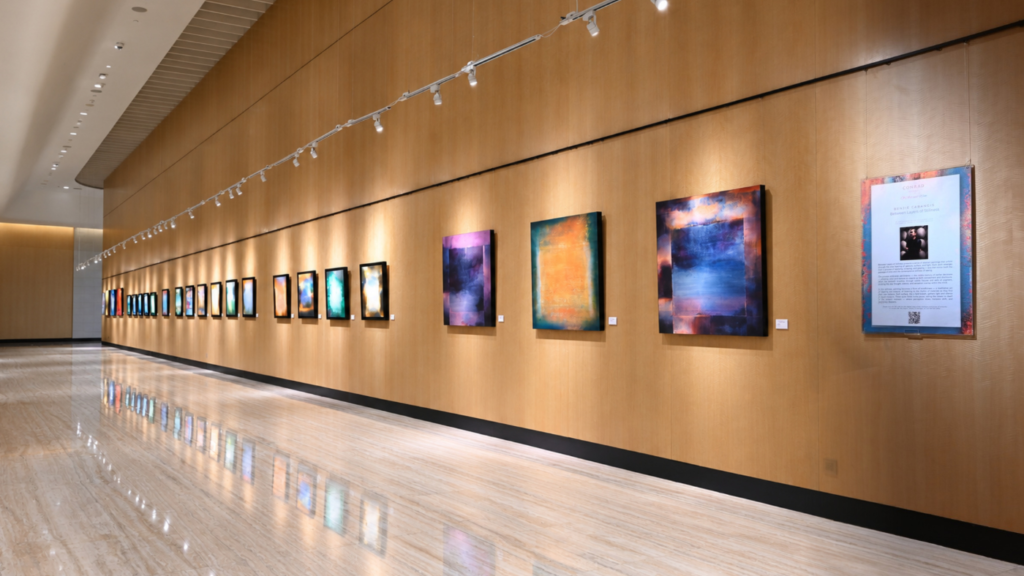
Some of his works are featured at the “Landas ng Kaisahan” exhibition at the Ateneo Art Gallery until July 3, 2027.
Taken as a whole, they remind us that Philippine art is all around and that helping it thrive does not have to require much. It can be as simple as taking the time to visit exhibitions, watch films
and performances, or read books. Sometimes, all it needs are people who are curious enough to look closer and notice.
Here’s to keeping Philippine art alive by talking more about it and making room for it in our lives.
Alike was created to inspire, built on society and storytelling — from curating the best features of the country’s brightest luminaries and orchestrating events catered towards the country’s top, to showcasing the finest gems in art, lifestyle, and culture.
Alike is the next generation: the movers, the shakers of today.
We are Alike.