


Photo by Cassandra Zampini
2018 is indeed many things, but “toxic” perfectly sums it all up in one word. According to Oxford Dictionaries, that is.
Traditionally, toxic means “poisonous” or “imbued with poison.” Based on their data, there was a 45 percent increase in the number of times people looked up the word on their website this year alone.
“In 2018, toxic added many strings to its poisoned bow becoming an intoxicating descriptor for the year’s most talked about topics,” Oxford Dictionaries said.
But just how toxic has 2018 morphed into?
Tons of issues and controversies have been headlined throughout the year, and if you don’t agree they’re toxic, it’s time to look up its new definition. According to Oxford Dictionaries, “this year, more than ever, people have been using ‘toxic’ to describe a vast array of things, situations, concerns, and events.”
Among the numerous events that made us lose our faith in humanity is the extrajudicial killings that soared when President Duterte waged his war against drugs. Thousands of men, women, and children were mercilessly killed by the hands of the police—and many of these deaths have not seen justice.
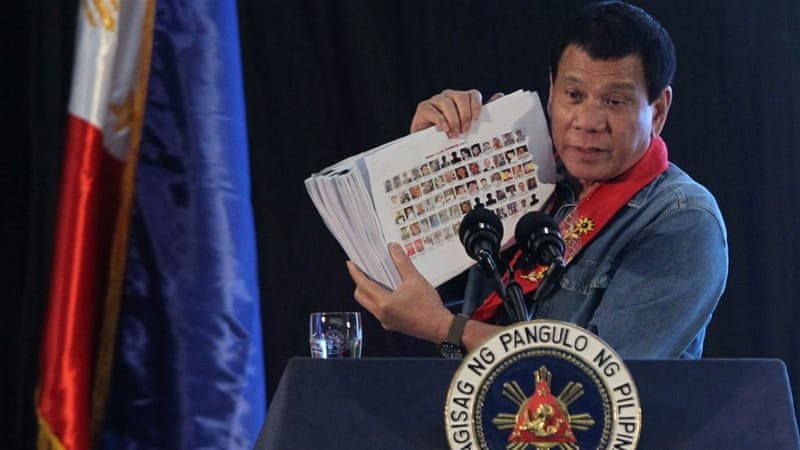
National politicians also remain to free, despite the clear need for them to pay for their crimes. Imelda Marcos, who stole billions in wealth from the Filipino people, is awaiting for the decision of her Supreme Court appeal and remains to live lavishly outside of a jail cell. While Bong Revilla, who was involved in the Pork Barrel scam back in 2013, was recently released from jail.
Unfavorable political news seem to be dropping on us in one go, but we still have the social media culture to worry about, too. It doesn’t even matter which platform you’re on—Facebook, Instagram, or Twitter. Almost everyone has a social media account these days and they’re all talking. It has become an avenue for voicing out our opinions, but somehow it became a place of negativity where people argue and engage in unhealthy discourses on issues.
But things aren’t all bad. There are some feats that we ought to celebrate, too. Light has been shed on sexual harassment and assault, and the #MeToo movement was a call of action that aims to abolish toxic misogyny in society.
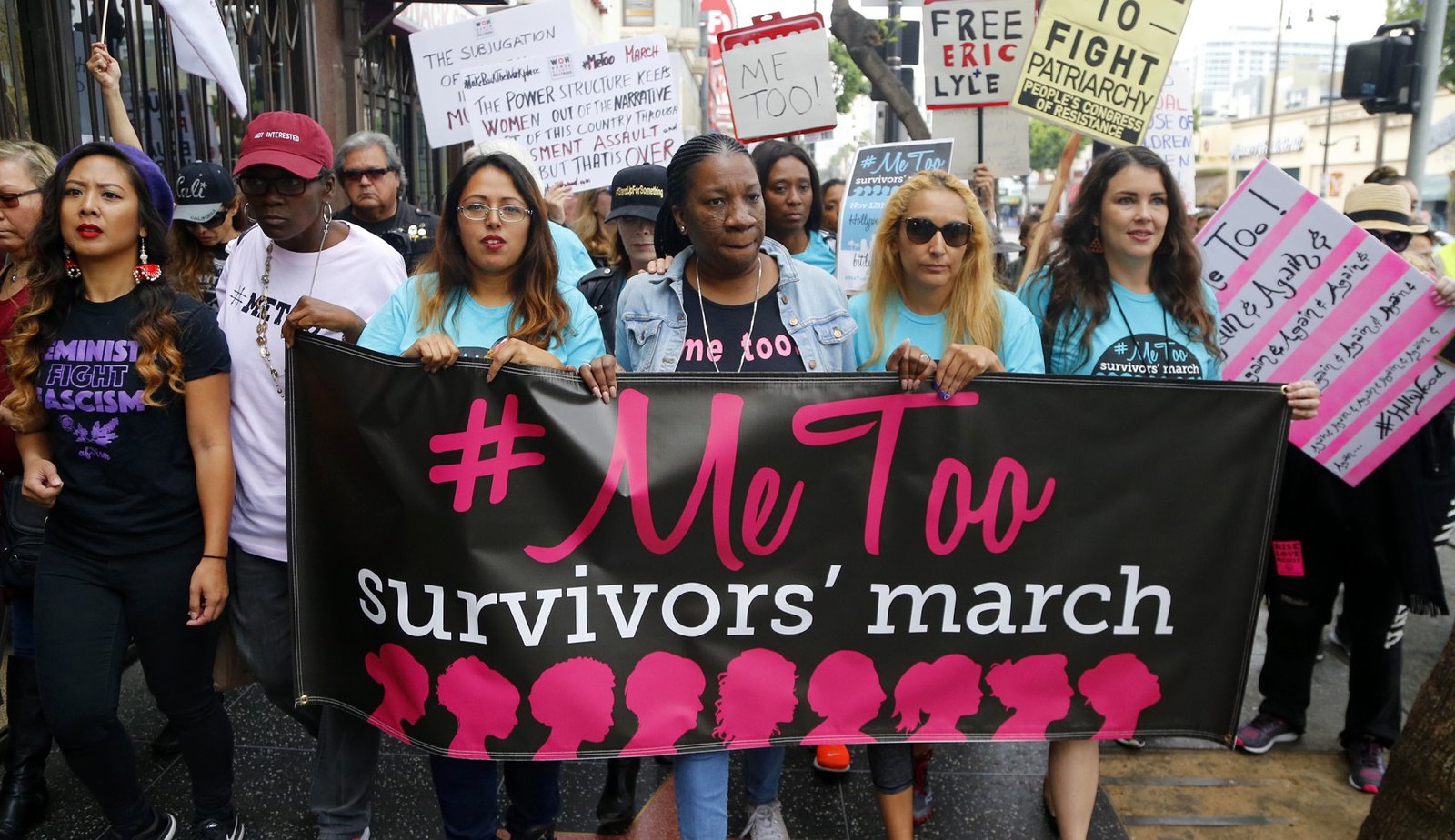
Celebrities, politicians, and women of different backgrounds finally spoke up and shared their experiences of sexual harassment and assault. It created awareness and empowered victims all over the world to speak out and call out their abusers. More importantly, it emphasized that victims are not alone in their struggle.
Toxic misogyny and victim-blaming are still present pretty much everywhere—in workplaces, schools, and streets, but the movement #MeToo envisions to make these spaces safer.
Advocates of human rights and welfare marched the streets fighting for the lives lost during the war on drugs. Offline and online, people who believe that society is capable of upholding justice and humanistic values continue to raise awareness and educate others on how we can act on these so-called “toxic” issues.
We can choose to be hopeful, and we are doing so. Catriona Gray couldn’t have said it better: “See situations with a silver lining.” As negative the word “toxic” might seem, there is still something good out of it.
More than ever, what is considered as “toxic” has made people more aware of what we should be fighting for and what we could do as a society. Every day as the world gives off negativity and dumps a series of bad news, there is still good in everything—it is a matter on how we see it, and how we choose to act about it.
The word of the year might not synonymous to anything positive—but how we acknowledge this fostering culture is also a compelling call for us to act. The year isn’t over, and there’s still a ripple of conversations and movements to start as we strive for a better. New year, new society?