


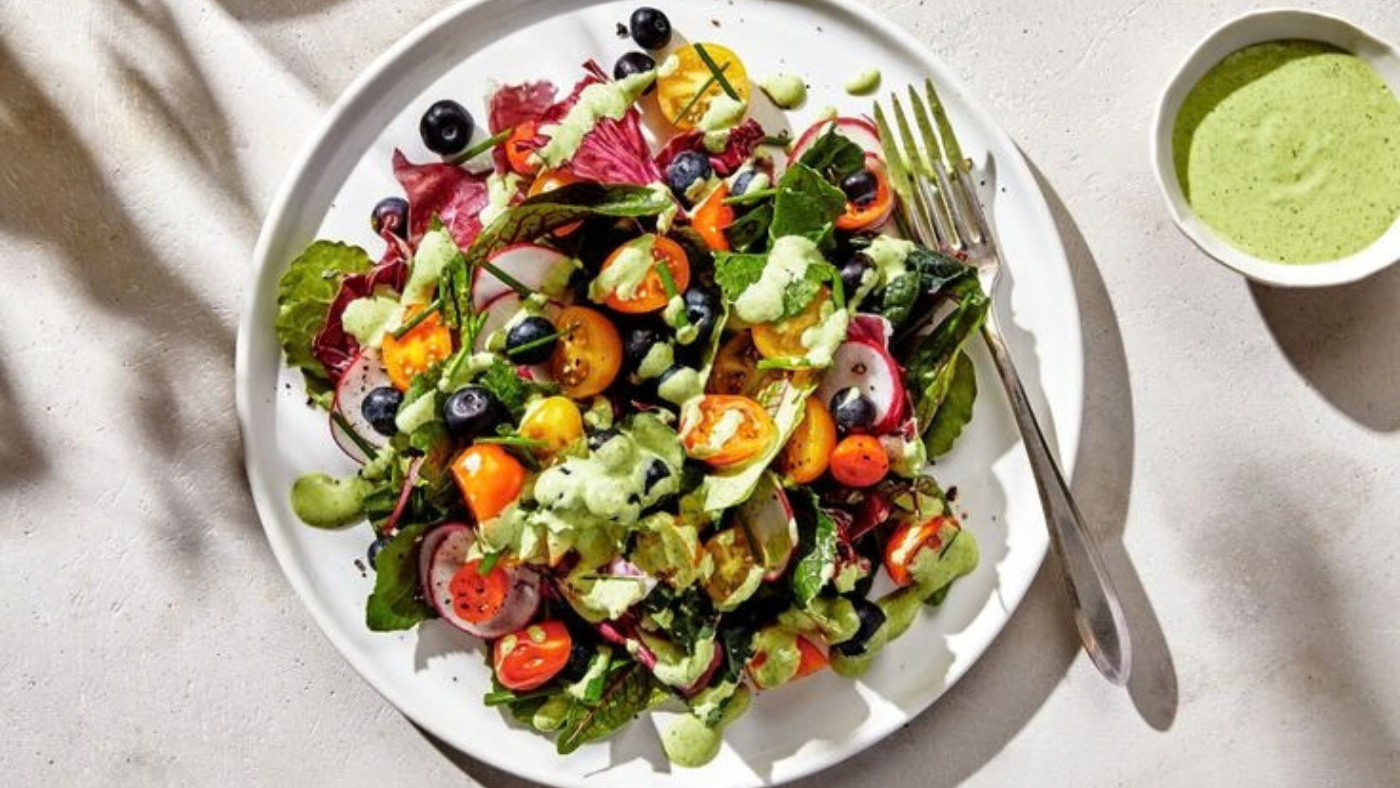
From McDonald’s protein callouts to smaller, more considered plates, a new kind of appetite is beginning to influence how restaurants think about value.
There was a time when ordering “healthy” at a restaurant usually meant making some kind of compromise. A burger without the bun. Dressing on the side. A sad grilled chicken breast placed next to lettuce with very little personality.
Today, the conversation feels different.
Protein has become something people actively look for. Fiber has somehow become cool enough to trend on social media. Smaller portions are being discussed with less of the old diet culture language attached to them. And across the food industry, restaurants are beginning to pay attention to a customer whose appetite may look very different from what menus were designed around ten years ago.
Part of that shift is connected to the rapidly growing use of GLP-1 medications. The medications themselves belong in a conversation between patients and their doctors. But the cultural effect is already much bigger than the prescription pad.
People taking GLP-1 medications commonly report eating less, and food businesses are beginning to think more carefully about what people want when quantity matters less and every bite needs to work a little harder.
McDonald’s is already responding to the broader shift.
In the United States, the company introduced protein callouts on its ordering kiosks and app this year, identifying 17 items as protein forward. McDonald’s says it has more than 30 menu items with at least 15 grams of protein, including the Egg McMuffin, Chicken McNuggets, McCrispy Strips and McDouble. The company has also acknowledged that it is watching the changing habits of GLP-1 users as it considers future menu development.
That does not mean the next Happy Meal will arrive with the words “GLP-1 friendly” printed across the box. The more interesting possibility is subtler. Fast food may start behaving differently.

When More Is No Longer the Selling Point
For decades, the language of fast food revolved around abundance.
Bigger. Extra. Double. Unlimited.
Value often meant getting more food for your money. But what happens when a growing group of customers is deliberately seeking the opposite?
They may still want convenience, indulgence and familiar flavors. They simply might want them in smaller portions, with more protein, more vegetables or fiber, and fewer calories that do not contribute much to the meal.
This is why the shift matters beyond people using medication. It arrives alongside a much wider reconsideration of how younger consumers eat.
A friend of mine has never taken a GLP-1 drug, but his lunch order has changed dramatically over the past few years. He used to choose whatever looked largest. Now he checks whether a meal has enough protein, skips enormous portions he knows will make the afternoon miserable and would rather pay more for good grilled fish, vegetables and a properly made sauce.
The motivation is not exactly dieting. He still orders dessert. It is closer to editing. That distinction feels important.
For an increasingly health conscious millennial customer, eating well is becoming less about punishment and more about getting more from less.
Restaurants Are Already Moving
Some brands are much more explicit about it.
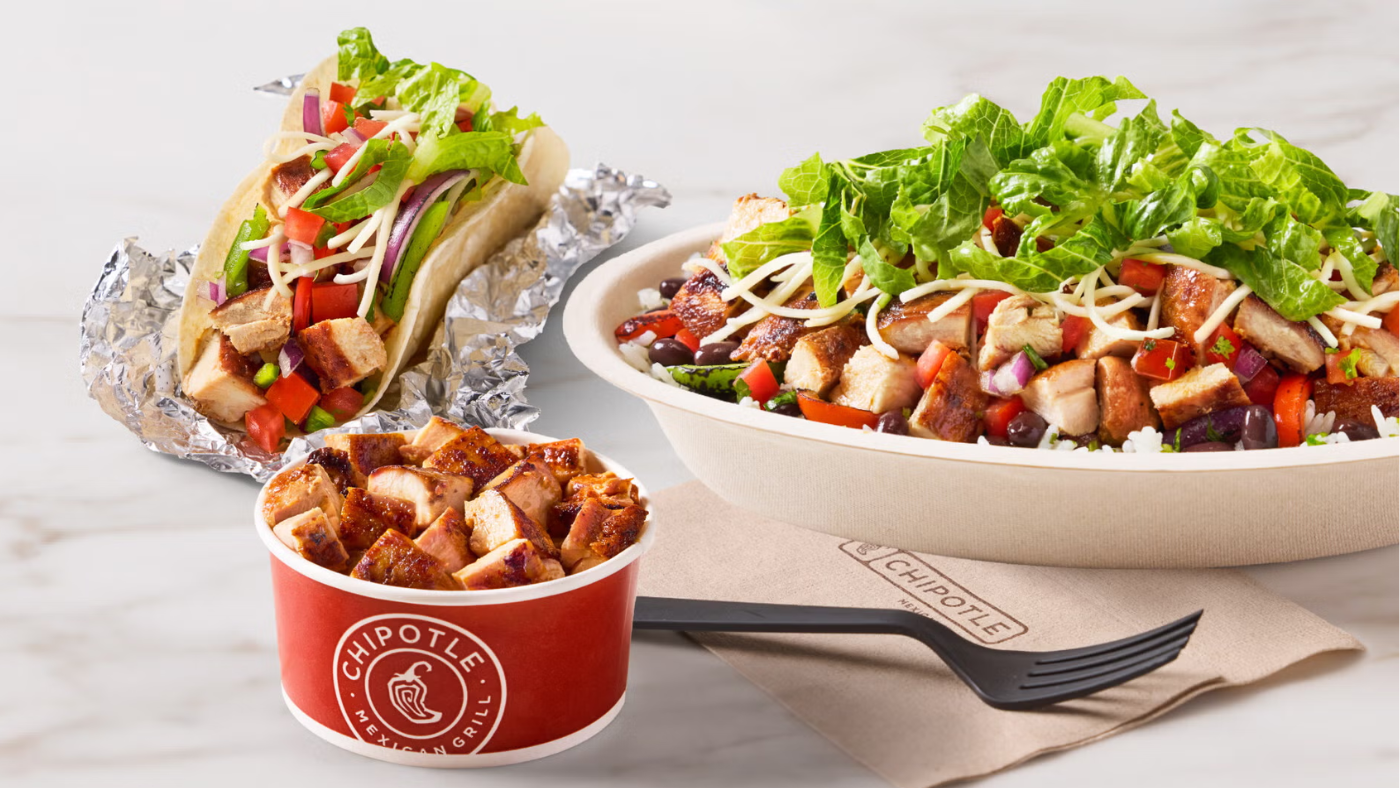
Chipotle currently markets an entire range of meals as supporting GLP-1 users. Its menu includes a high protein, lower calorie bowl and a high protein, high fiber bowl with 46 grams of protein and 14 grams of fiber.
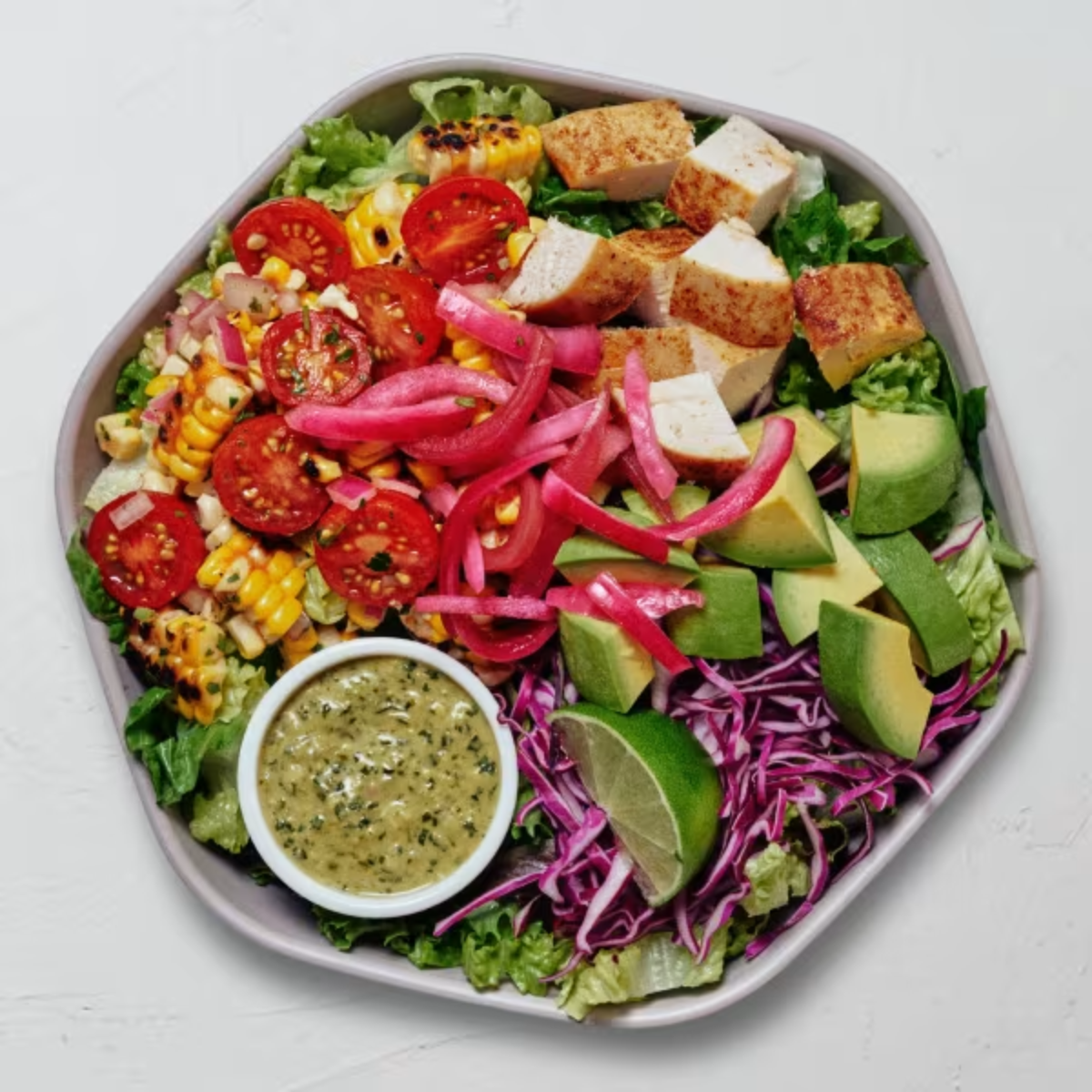
Then there is Sweetgreen, which has spent years making the bowl feel less like diet food and more like something people genuinely want for lunch. Its menu leans heavily into vegetables, grains, chicken, salmon, legumes and nuts, the kinds of foods that naturally lend themselves to meals built around protein, fiber and nutrient density.
These brands are approaching the same shift from different ends. One is helping customers navigate an existing fast food menu.
Another is explicitly packaging food around GLP-1 needs. Another has built its entire identity around customizable, ingredient led meals.
The common thread is not “diet food.” It is choice.
What Would This Look Like in Manila?
There is currently no need to wait for a special GLP-1 menu to arrive in the Philippines before applying the same thinking.
Filipino food already gives us plenty to work with.
Take chicken inasal.
Remove the expectation that it needs unlimited rice to feel complete and the structure is already there. Grilled chicken brings the protein. Atsara or vegetables add acidity and texture. A smaller serving of rice can remain because eating well does not require pretending carbohydrates no longer exist.
Mang Inasal itself still revolves heavily around rice meals, including its well known unlimited rice formats.
But the protein at the center of the meal does not need reinventing.
The same applies to Andok’s. A serving of roasted chicken with a fresh vegetable side feels more aligned with contemporary eating habits than turning Filipino food into something unrecognizable.
Even street food offers possibilities.
Isaw will not suddenly become a wellness product, nor should it. But grilled skewers, seafood, eggs, tofu, fresh lumpia and vegetable heavy dishes remind us that healthier eating does not have to arrive in a beige meal prep container.
The Filipino palate already understands smoke, sourness, spice and grilled protein very well.
The opportunity is not to erase those flavors.
It is to reconsider the proportions around them.

The Upscale Version Is Already Here
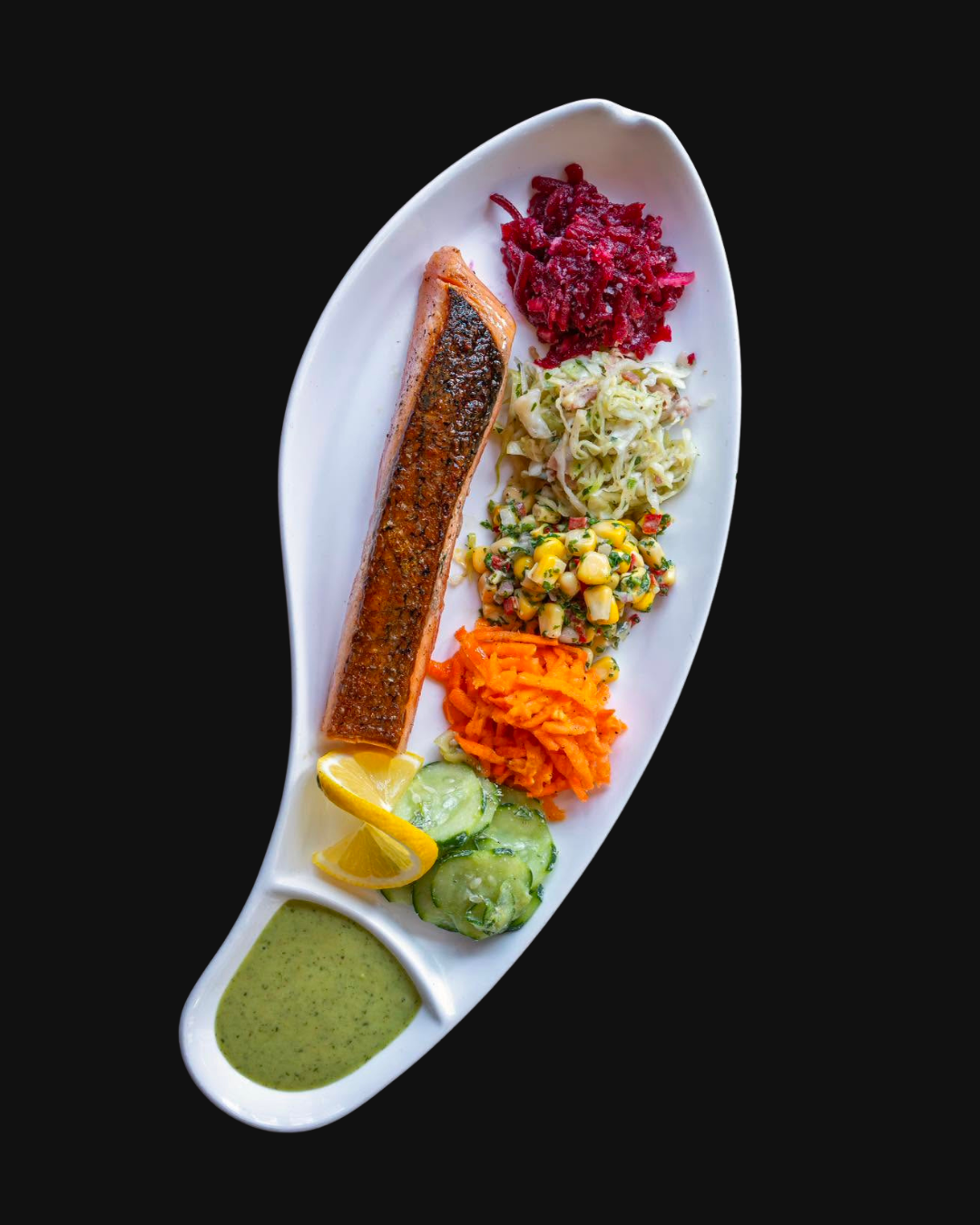
At the other end of the dining spectrum, this way of eating almost feels familiar. A beautifully grilled piece of fish beside vegetables. Steak with salad instead of fries. Oysters followed by something small from the grill. Chicken with greens, herbs and a vinaigrette.
Restaurants have been serving meals like this long before anybody used the term GLP-1 friendly.
At L’Entrecôte Manila, for example, its Fitnessteller lunch offering pairs house made salads with a choice of grilled proteins including chicken breast, salmon, pork, striploin and tenderloin. It is a useful glimpse at what a more premium version of this trend can look like. The food is not presented as restriction. It is simply a composed plate with good ingredients.
That may ultimately be where the biggest shift happens.
People do not necessarily want restaurants to remind them that they are “on a diet.”
They want menus that make their preferences easy to accommodate without turning dinner into a medical appointment.
A smaller steak should still feel generous. A high protein breakfast should still feel indulgent. A bowl rich in vegetables should still be something you would order because it sounds good.
The challenge is culinary, not clinical.
Protein Cannot Do Everything
There is one risk in the current conversation. Protein is having such a cultural moment that it can become shorthand for healthy eating by itself. It is not. Fiber matters too.
The Mayo Clinic notes that fiber rich foods including vegetables, fruits, whole grains, beans, nuts and seeds support digestive and metabolic health and can also help with satiety. Its GLP-1 oriented meal plan is designed around higher protein and lower volume meals, rather than treating protein as the only goal.
Extremely restrictive low carbohydrate or very high protein diets can also leave people short on fiber and other nutrients.
For the everyday diner, that translates into a fairly uncomplicated idea. Build around good protein. Add vegetables.
Include fiber. Choose a portion that actually feels right. Keep the food enjoyable. There is nothing particularly futuristic about that.
Perhaps that is why it might work.
A Different Kind of Thanksgiving Plate
Thanksgiving traditionally celebrates abundance. The table is supposed to look full. There should be leftovers. Someone should insist you have another serving.
But abundance does not always have to mean excess. Perhaps there is another version of gratitude worth considering now. Being grateful enough for food to actually pay attention to it.
To choose something because it is delicious instead of simply because there is more of it.
To eat slowly enough to notice when we have had enough.
To appreciate ingredients rather than treating every meal like fuel between meetings.
That is where the GLP-1 conversation becomes bigger than medication. It asks a question restaurants may have to answer over the next decade. If customers begin wanting less food, how do you give them more value?
The answer may be better ingredients. Better protein. More vegetables. Smaller plates that still feel beautiful. Menus that make customization effortless. Food that satisfies through flavor rather than sheer size.
In other words, the future of eating may not be about deprivation at all. It may simply be about becoming more selective about what earns a place on the plate.
And for a generation that has spent years being offered more of everything, there is something surprisingly luxurious about finally deciding that enough can be enough.

Alike was created to inspire, built on society and storytelling — from curating the best features of the country’s brightest luminaries and orchestrating events catered towards the country’s top, to showcasing the finest gems in art, lifestyle, and culture.
Alike is the next generation: the movers, the shakers of today.
We are Alike.