
A city underwater, and the lessons that must rise above.
.
After days of torrential rain from Typhoon Kalmaegi, brown water swallowed the streets of Cebu City. In Barangays Bacayan, Guadalupe, and nearby upland zones, residents described the flood as “sudden — a surge within minutes.” Homes were drenched, cars swept away, and families evacuated from neighborhoods once considered safe.
.
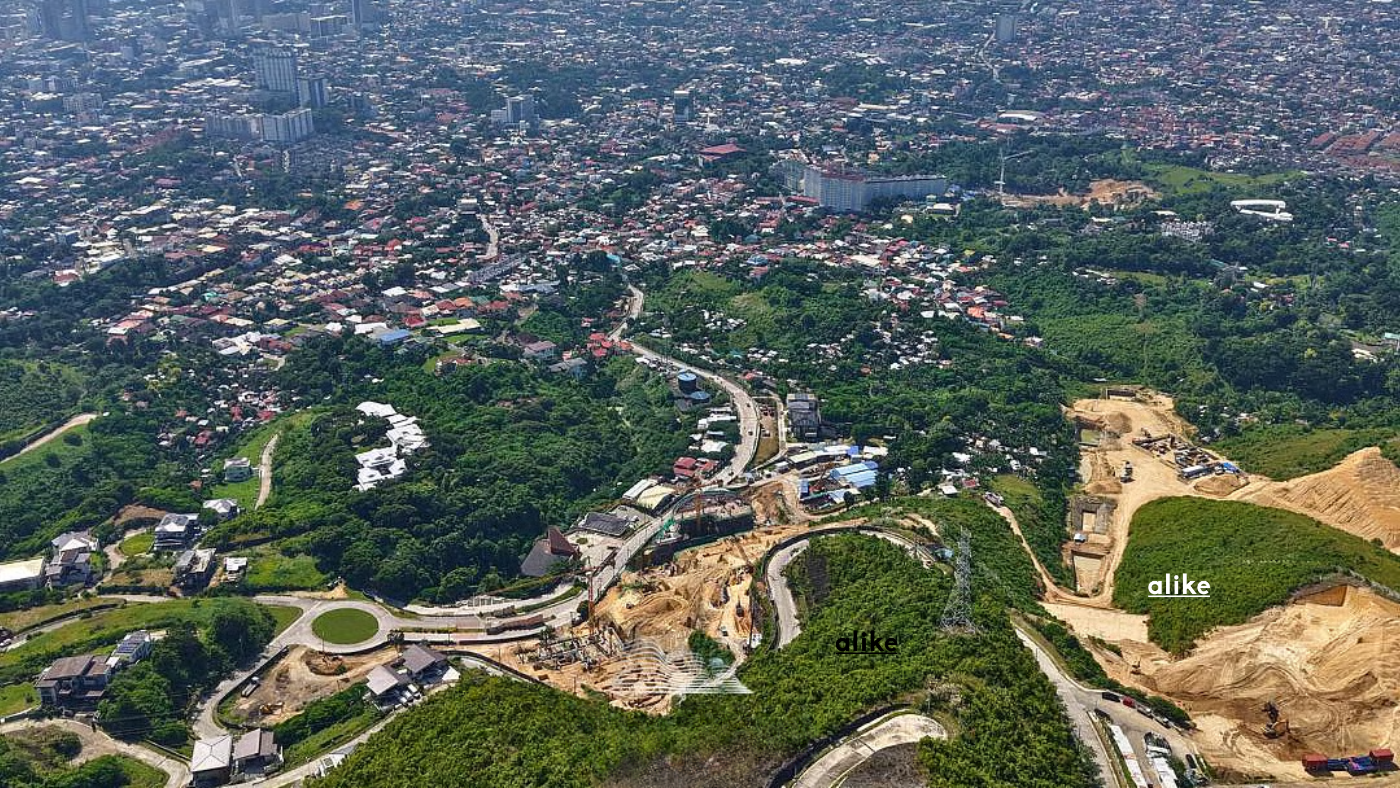
But as the waterlines dried, attention shifted upward, to the hills that crown the city’s skyline.
.
.
The Slopes Under Scrutiny
.
Public concern has centered on The Rise at Monterrazas de Cebu, a major hillside estate whose concrete terraces now overlook flooded districts below. Environmental groups and citizens are questioning whether years of upland construction from road cuts to slope clearing may have altered the city’s natural drainage systems.
.
In response, the Department of Environment and Natural Resources (DENR) has formed a joint inspection team to reassess the project’s environmental compliance. The review will determine whether slope protection, water channels, and runoff systems were designed to withstand today’s intensified rainfall.
.
Developers maintain that the estate followed proper protocols and underwent numerous safety revisions. Yet the conversation has broadened beyond a single site toward the larger question of how far a city can build upward before nature pushes back.
.
.
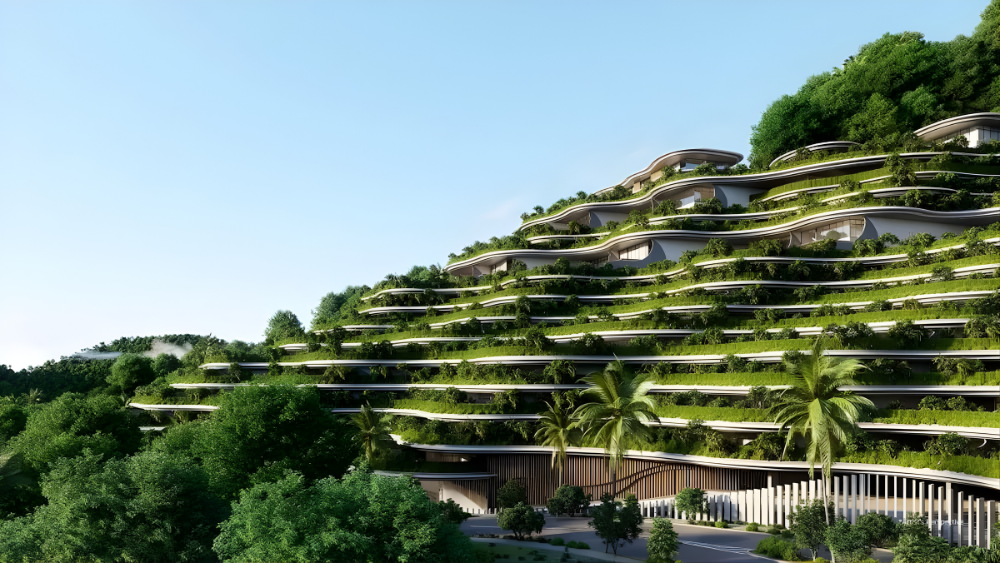
Photo by pna.gov.ph
.
What the Floods Exposed
.
Cebu’s geography with steep uplands meeting narrow floodplains has always demanded delicate balance. As more of those uplands turn to concrete, the city loses its natural sponge: forests, grasslands, and permeable soil that once slowed the rain’s descent.
.
Hydrologists note that even well-engineered drainage can fail when cumulative development upstream overwhelms its limits. The floods, in this light, are not only the result of a storm but of years of building faster than the environment could adapt.
.
As the late Gina Lopez once warned, “If you kill the environment, you kill everything.”
.
.
.
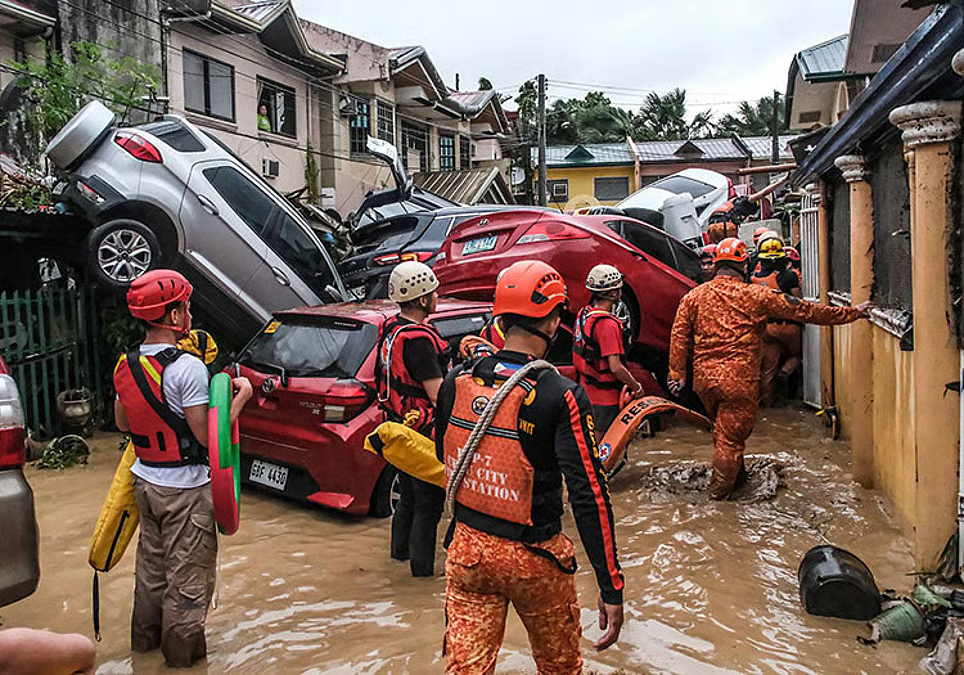
Rescued residents wade through second-floor-deep floodwaters in Villa del Rio, Bacayan, Cebu City, where Typhoon Tino caused severe flooding that damaged numerous cars on November 4, 2025.Photo by Juan Carlo de Vela
..
.
A Wake-Up Call for Sustainable Growth
.
Cebu’s experience now stands as a cautionary tale for other fast-developing cities. Progress that disregards ecological rhythm is progress built on borrowed time.
.
To move forward, experts call for three urgent shifts:
1. Reforest and Restore upland watersheds to rebuild natural absorption capacity.
2. Audit and Enforce environmental compliance in all hillside and reclamation projects.
3. Reimagine Urban Growth — not just upward and outward, but inward, toward resilience.
.
The floods of 2025 were more than a natural disaster; they were a reminder that the ground beneath every modern skyline is living, finite, and worthy of respect.
.
Because progress that forgets its foundations, the land, the people, the water, will always find itself sinking.
.
Now is the time to build differently, to place the earth first and let every development rise in harmony with the ground that sustains it.
.
.
Editor’s Note: This article reflects verified public reports and ongoing government investigations as of November 2025. It aims to explore the broader environmental implications of urban development and is not intended to assign fault to any individual or company.
.
.
..
..
.

Alike was created to inspire, built on society and storytelling — it’s curating the best features of the country’s brightest luminaries, orchestrating events catered towards the country’s top, to showcasing the finest gems in art, lifestyle, and culture.
Alike is the next generation, the movers, the shakers of today.
We are Alike.