


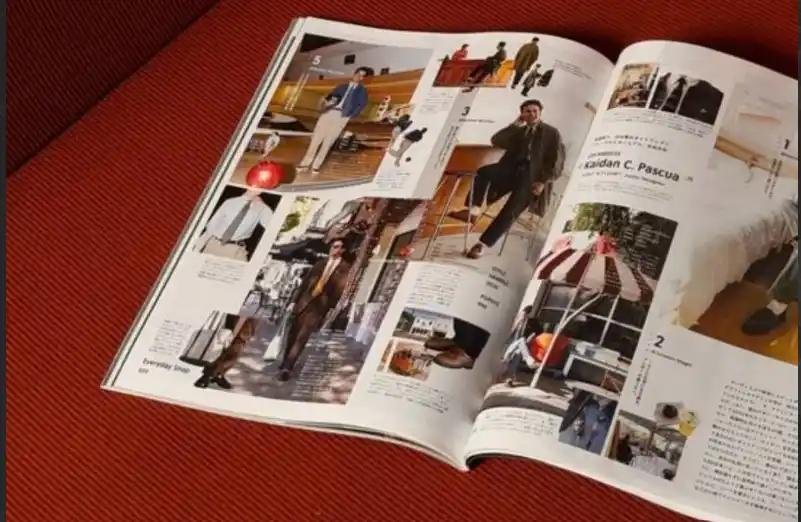
If you were part of the 90s generation, or maybe earlier, you’re probably familiar with the memory of excitedly bringing home a magazine, or maybe having a newspaper delivered to your home. It was the best feeling! Wondering what surprises it brought and what new stories you would unravel. It was an exciting time, when people would have to wait to indulge in a good story.
With the dawn of the internet, e-books, and websites, people began shifting to digital media for additional space, convenience, or even lesser costs.
The decline became much more visible commercially in the 2010s, with favorite titles like Seventeen , Meg, Preview, and Esquire disappearing from the shelves.
Now. However, there seems to be a reemergence.
What Makes Print Media Unique?
There’s something special about reading print, unplugging yourself from the rest of the world, holding actual pages, and sniffing the stories you hold in your hand.
People are now rediscovering the experience of reading. This is might by some of the reasons why the printed magazine seems to be back and finding its niche in the crowded and modernized world of media.
Some of the most iconic people in the country and in the globe have graced the covers of print media.
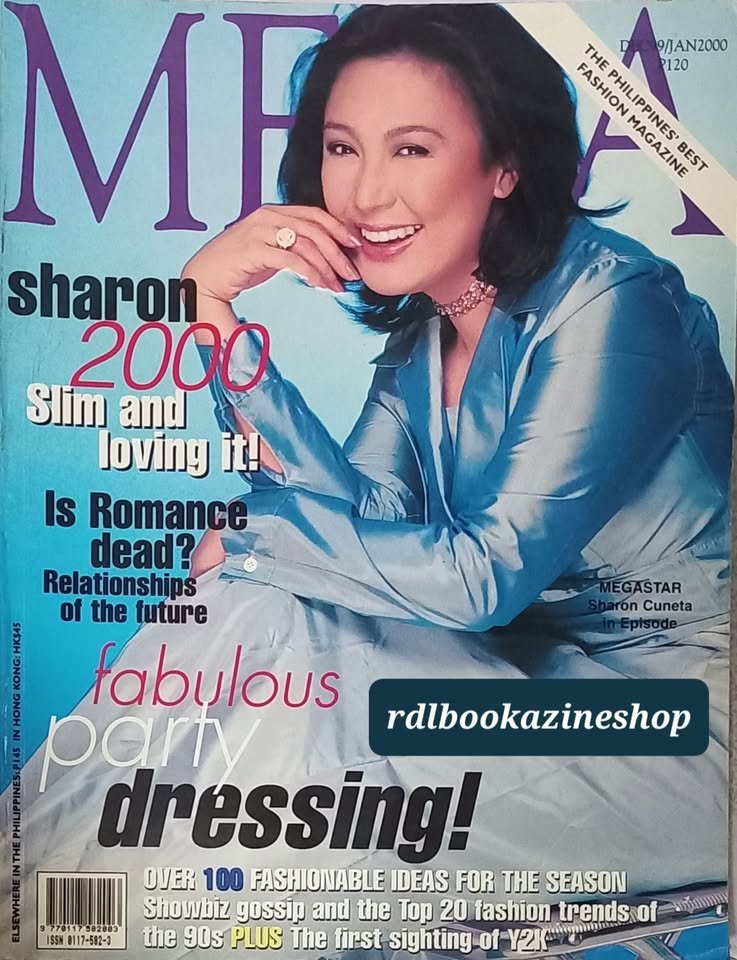
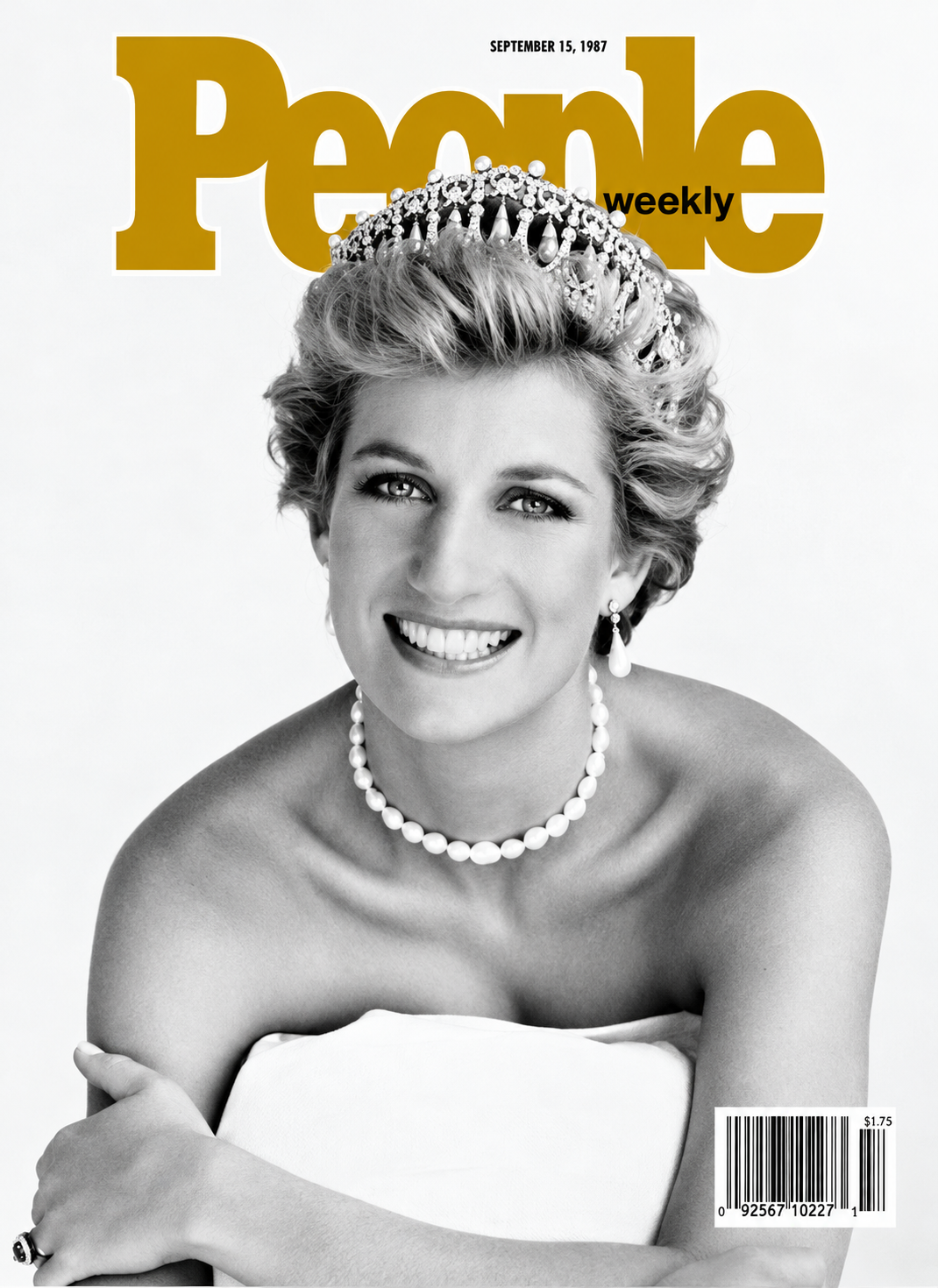
Magazines and the Modern Word
For all that magazines have gone through, recent events present an interesting change. They are gaining a new identity. Mass printing is not the goal anymore, instead, publishers are embracing the things that make print appeal in the first place. As if to make it almost an artpiece or a collector’s item, everything is now more intentional and thematic – from its cover, the pages, to the actual content.
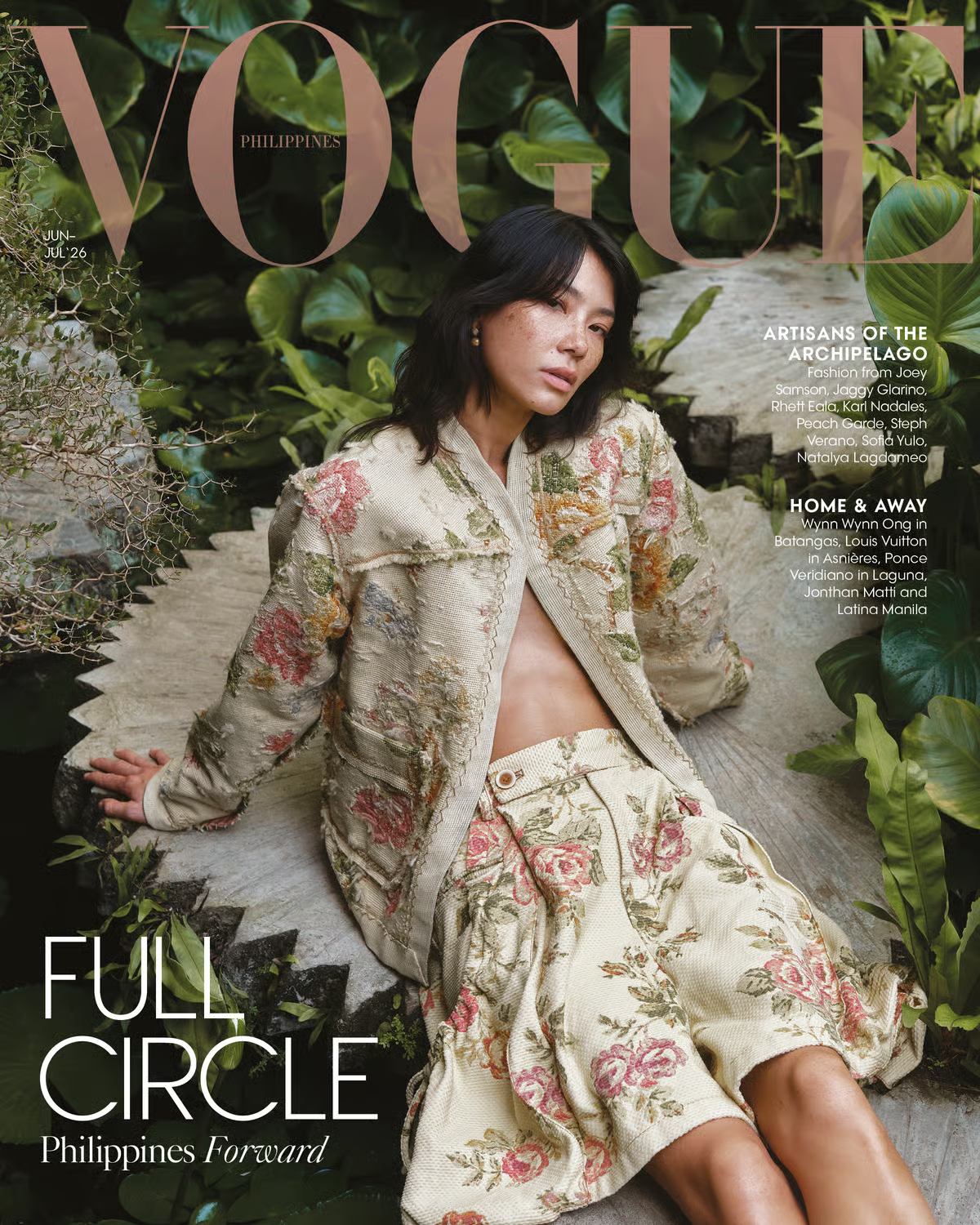
Let’s take Vogue Philippines for instance. As of October 2026, the magazine continues to sell individual print issues and print subscriptions, with regular issues priced around ₱595 and the current September–October anniversary editions at ₱995.
Another example is its June–July 2026 Filipino-language issue. Vogue translated stories into Filipino for the print edition, transforming the physical magazine into something that wasn’t simply a printed version of its website but a cultural object in its own right. Vogue Philippines.
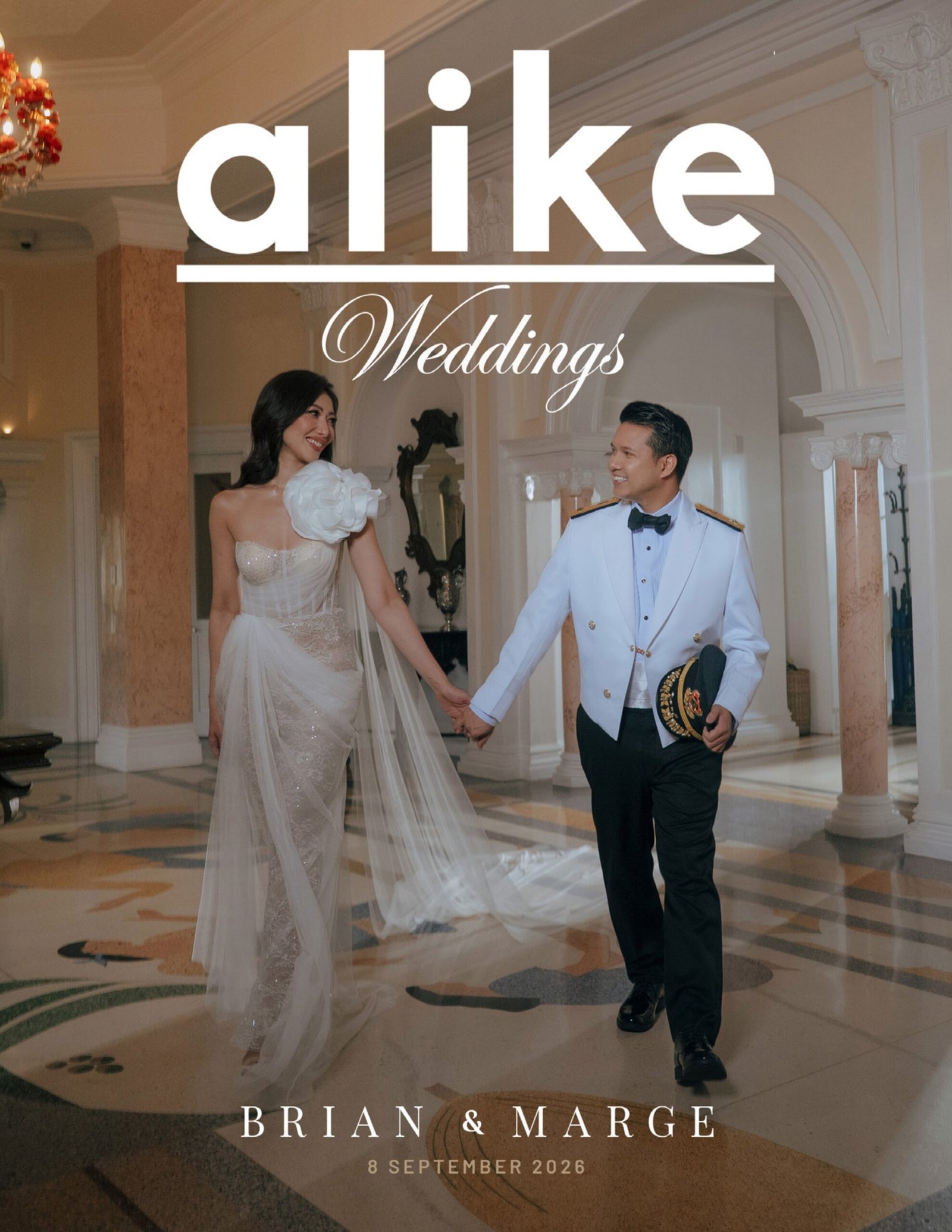
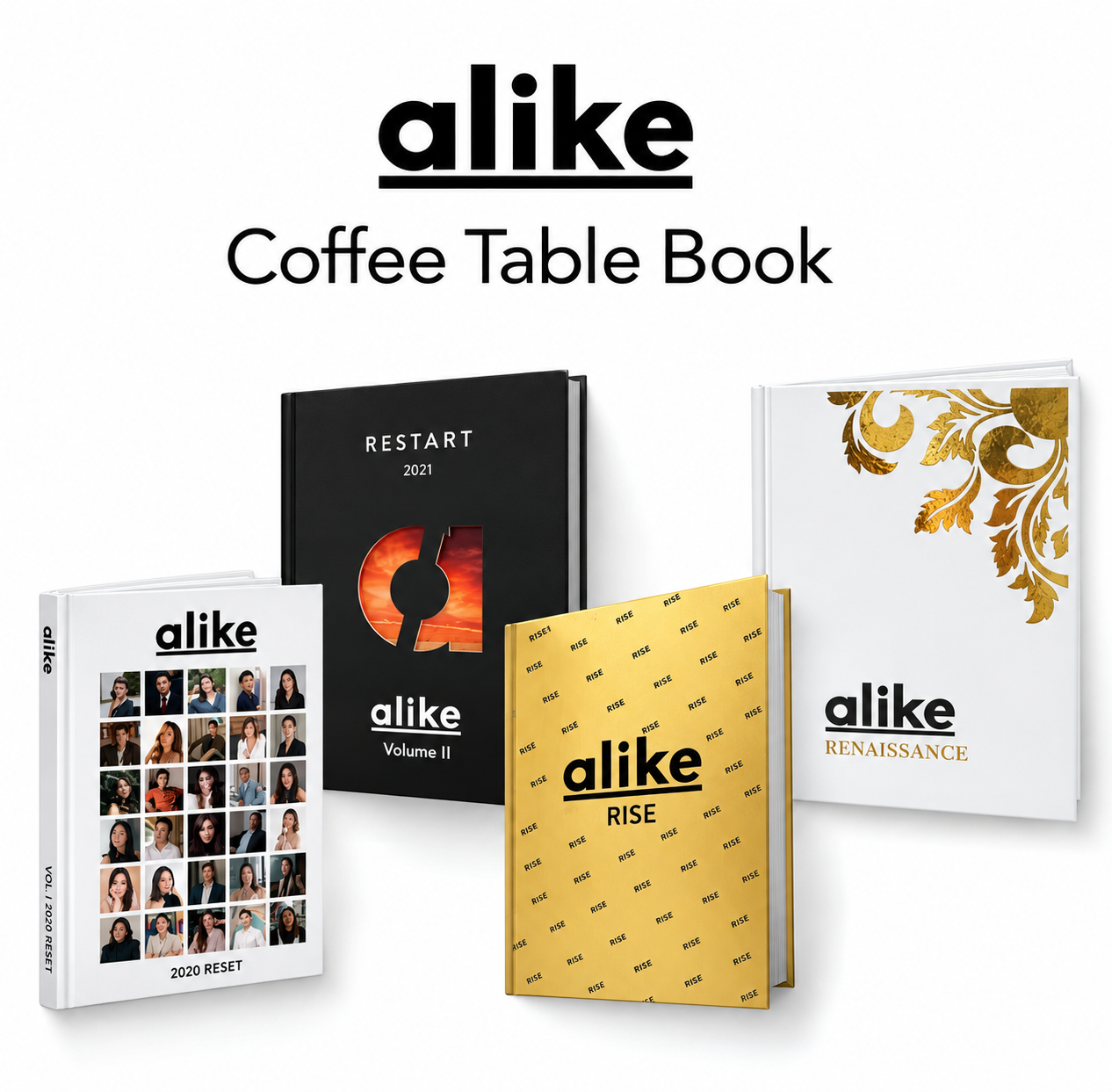
Another example is Alike Media’s venture into coffee table books, another platform to showcase print pillars like top photography, writing, fashion, etc. Some of the people who have graced its pages are contemporary artist Sean Go, musician Chito Miranda, and known media personality, Nicole Andersson.
Alike has been producing its Alike 50 coffee table book for five years in a row now, and each edition has become part of a growing collection. Every volume is a keepsake, something to display on a shelf, pass on, and flip through again years later. A post on a screen can be scrolled past and forgotten in seconds, but a printed copy is something you can physically hold on to. That is what turns a book from simply something to read into something worth keeping.
In an age of endless scrolling and fleeting content, physical media is finding new appeal as something special, collectible, and worth keeping. Print may no longer be the default source of information, but that may be exactly what is making it seen by people again.
Alike was created to inspire, built on society and storytelling — from curating the best features of the country’s brightest luminaries and orchestrating events catered towards the country’s top, to showcasing the finest gems in art, lifestyle, and culture.
Alike is the next generation: the movers, the shakers of today.
We are Alike.